Russia's Relentless Terror Campaign Grinds On: 11 Dead, 70 Wounded, and Zelensky's Warnings Keep Coming True
Over the past 24 hours, Russian strikes have killed at least 11 people and wounded 70 more across Ukraine. And the worst part is this is not even the big one: Zelensky has warned Moscow is readying a much larger assault, and his track record says that warning should be taken dead seriously.
Ukraine woke up bleeding again. Over the past 24 hours, Russian strikes have killed at least 11 people and wounded 70 more across a country that has now endured more than four years of this. Front-line cities are being torn apart building by building, and the worst part is this is not even the big one. President Volodymyr Zelensky has already warned that Moscow is readying a much larger assault, and if his track record means anything, that warning should be taken dead seriously.
This is not an isolated tragedy. It is a pattern, and patterns reveal intent. Russia is not accidentally hitting apartment buildings, clothing markets, and hospitals. It is choosing to.
A Daily Ritual of Destruction
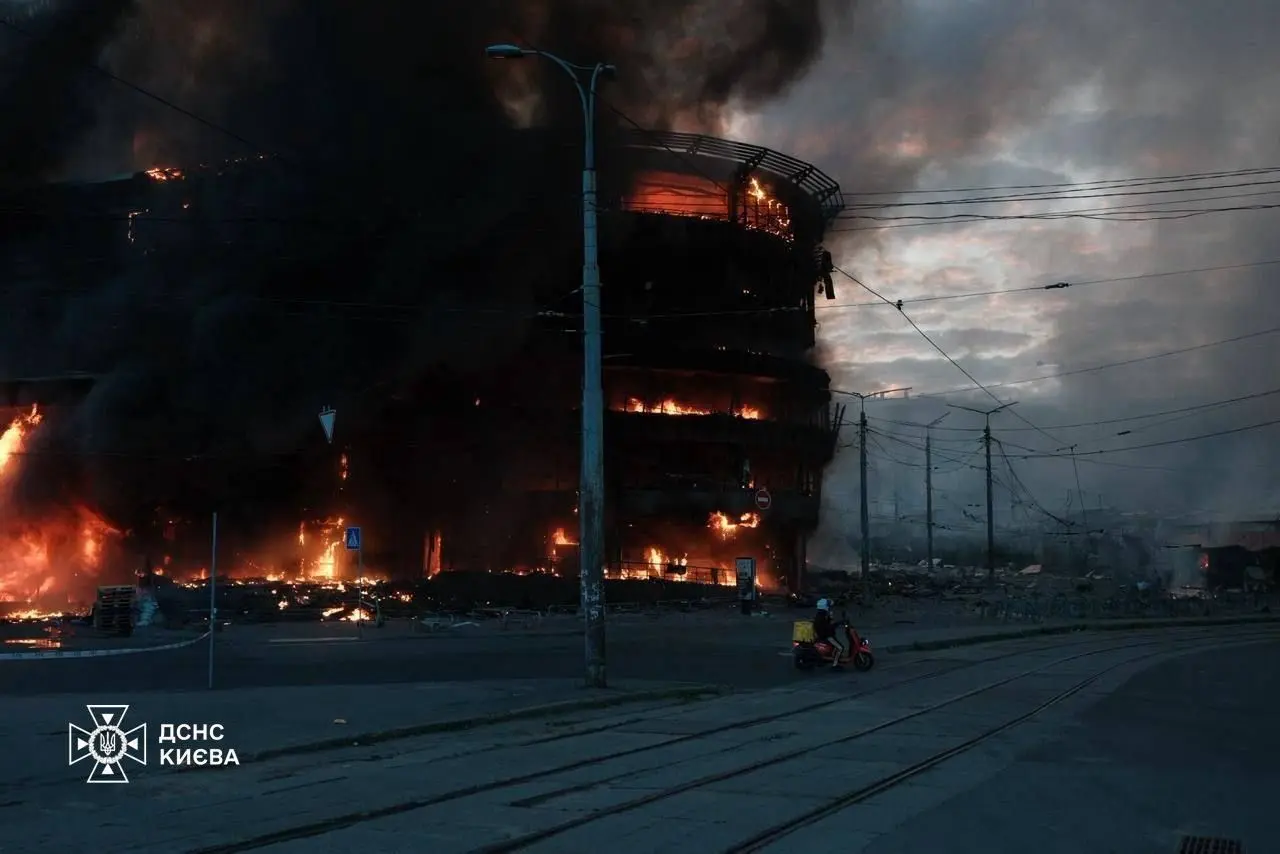
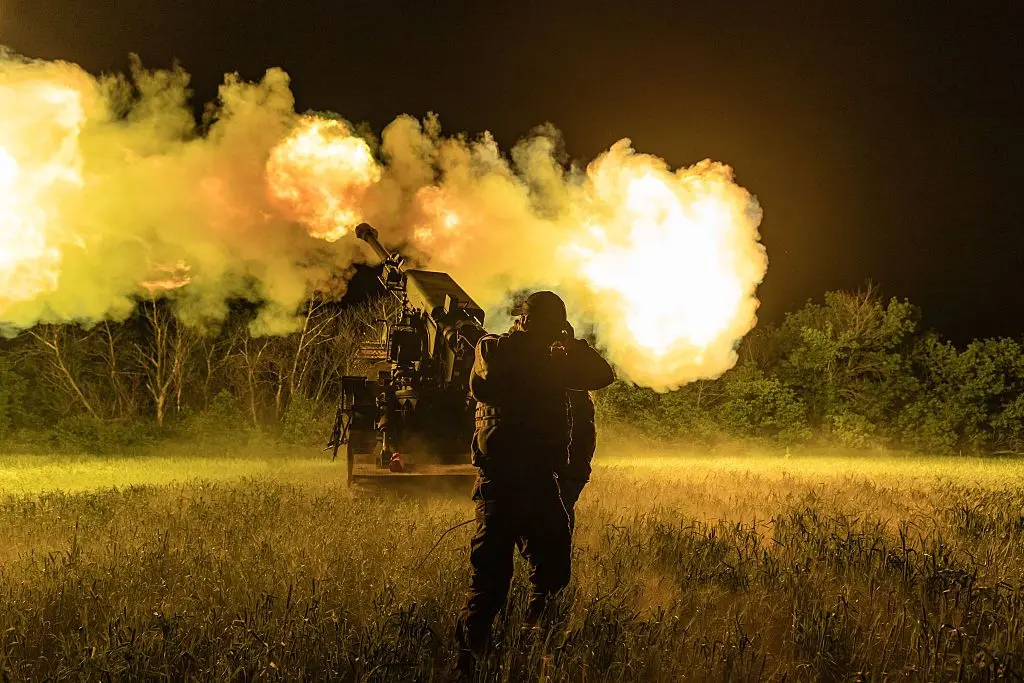
Zelensky put it bluntly. "In Kharkiv, a drone struck an apartment building. In Zaporizhzhia, an ordinary clothing market was burned down. People in Kherson and the Kherson region face continuous drone terror," he said, calling on air defense crews to protect Ukrainians wherever they possibly can. Ukraine's Air Force reported that Russia fired two Kh-59/69 guided air missiles alongside 157 attack and decoy drones overnight. Ukrainian defenders managed to intercept or jam one missile and 127 drones, but 26 drones still slammed into nine separate locations, with debris from intercepted weapons falling on four more sites.
That is the daily arithmetic of this war now. Ukraine shoots down the overwhelming majority of what Russia throws at it, and Russia still manages to kill people every single day. That should tell you everything about the sheer volume of firepower Moscow is willing to burn through just to keep the terror constant.
Sloviansk Is Paying the Heaviest Price
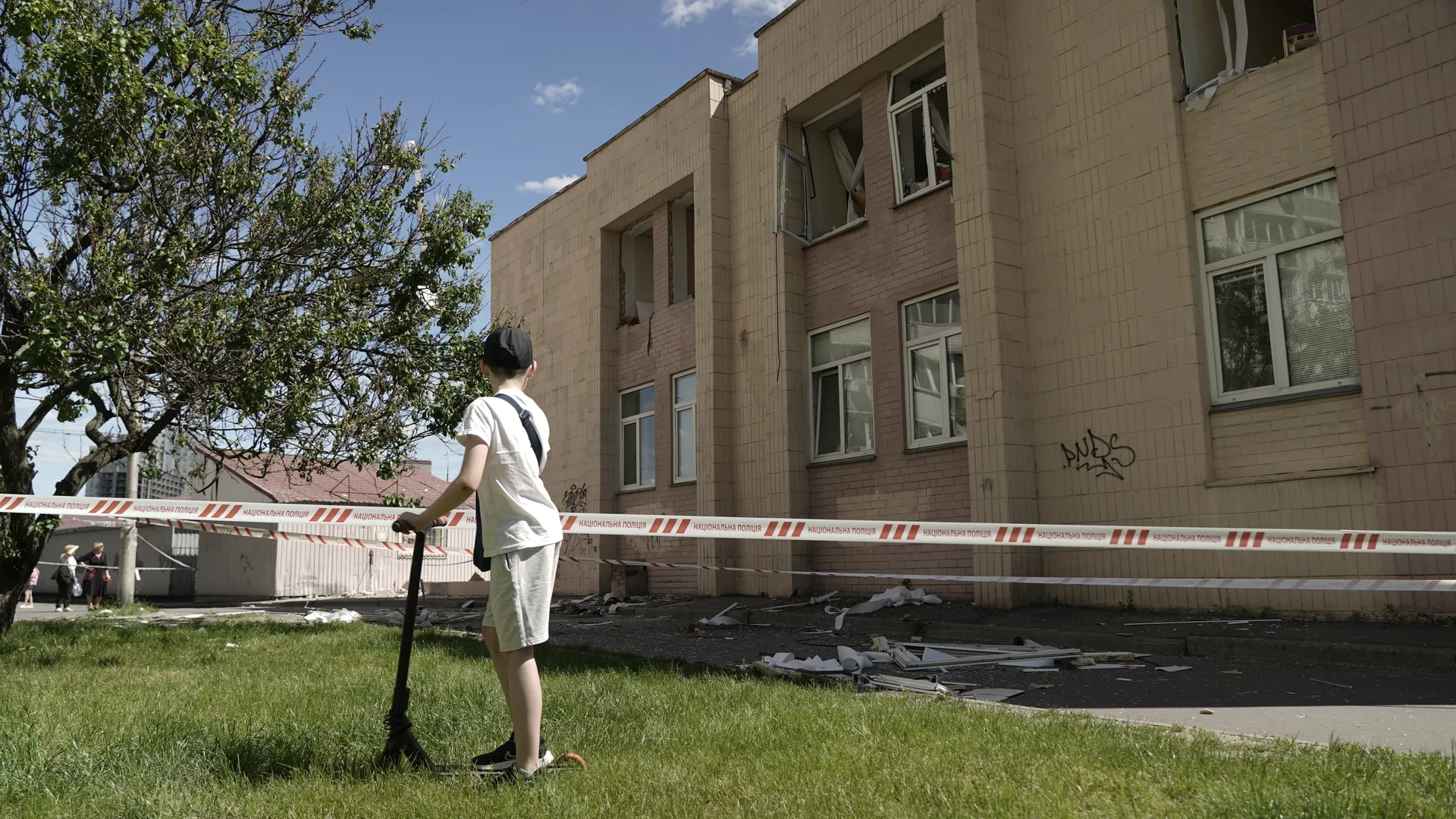
Nowhere is this more visible than Sloviansk, a Donetsk Oblast city just 16 kilometers from the front line that somehow still holds more than 40,000 residents who refuse to leave their homes. A morning glide bomb attack tore through the city, killing five people and wounding 27 others. Sixteen multi-story apartment buildings were damaged. Twenty-one private houses were hit. Even Latvia's Honorary Consulate did not escape the blast radius, along with numerous local businesses reduced to rubble.
And the horror did not stop there. Local officials report that a Geran-2 drone struck a house in Sloviansk again on the night of July 24 into July 25, killing one more person and injuring two others. Regional military administration head Vadym Liakh said six people were killed and 27 injured across the broader Sloviansk hromada in a single day. Zoom out to the past week and the toll climbs to nine dead and 45 wounded in that area alone. Sloviansk, along with neighboring Kramatorsk, is one of the last places in Donetsk Oblast where anything resembling normal civilian life still exists. Russia seems determined to make sure that does not last.
Across the wider Donetsk Oblast, Governor Vadym Filashkin reported six civilians killed and 30 injured on July 24 alone. These are not soldiers. These are people trying to buy groceries, sleep in their own beds, and keep some shred of ordinary life intact while artillery and drones rain down around them.
Double Tap: A Tactic Designed to Kill Rescuers
Perhaps the most chilling detail in this entire saga is Russia's continued use of so called double tap strikes in Sumy Oblast, where a location is hit once, and then hit again once first responders arrive to help the wounded. This is not collateral damage. This is a deliberate strategy to maximize death and terrorize the very people whose job is to save lives.
The Toll Spreads Across the Map
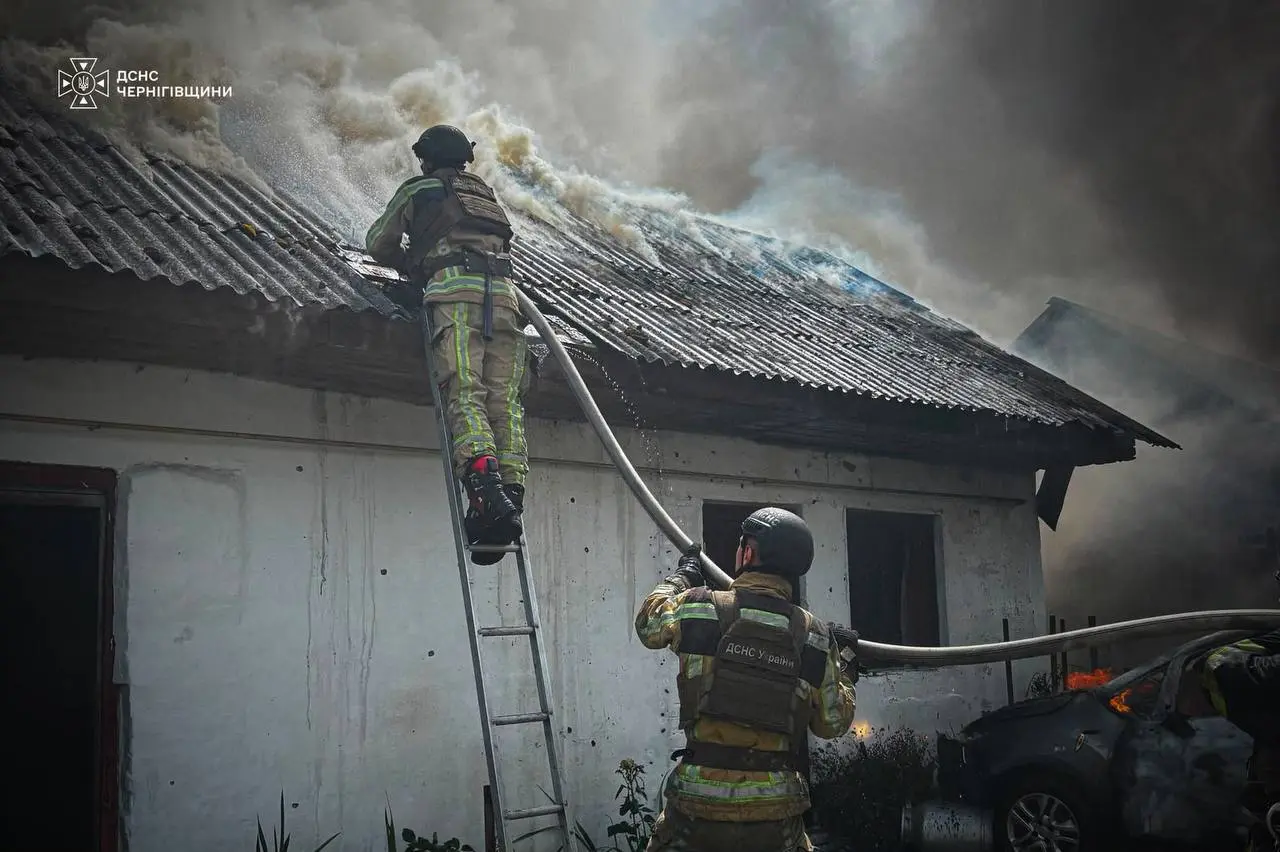
No region has been spared. In Kharkiv Oblast, one person was killed and 14 injured, according to Governor Oleh Syniehubov. In Zaporizhzhia Oblast, Governor Ivan Fedorov reported one person killed and 19 injured, including a morning ballistic missile strike that alone killed one and wounded nine after an earlier overnight barrage left ten more injured. In Kherson Oblast, four people were wounded after Russian forces launched a heavy air assault on Beryslav, with six guided aerial bombs striking a local healthcare facility. Staff sheltered in place while medics suffered concussions from the blasts. Chernihiv Oblast reported three more people injured.
This is a country under siege on every front simultaneously, not a war confined to trenches, but one being waged against hospitals, delivery drivers, market stalls, and apartment buildings. Russia's willingness to keep hitting the same civilian targets echoes the pattern we documented when Russia launched the largest aerial attack of the war on June 2.
Zelensky's Warnings Have a Habit of Coming True
What makes this moment especially urgent is that Zelensky has explicitly warned there is more coming, and worse. Citing Ukrainian intelligence, he said Russia has readied missiles for a new massive strike that could hit within 48 hours, and separately warned that Moscow is preparing a significant mobilization wave for the fall, a sign that Vladimir Putin has no intention of winding this war down and every intention of expanding it. Zelensky noted that Russia is currently losing more soldiers at the front than it can recruit, which suggests this looming mobilization is less a sign of strength than of desperation to keep feeding men into a grinding, unwinnable offensive.
The scale of Russia's earlier mass strikes, including its deployment of experimental weapons, is something we examined when Russia deployed the Oreshnik missile in a massive strike on Kyiv.
Why This Should Matter to Everyone Watching
It is tempting, after four years of headlines like this one, to grow numb to the numbers. Eleven dead. Seventy wounded. Another oblast, another city, another Telegram post from a regional governor. But numbness is exactly what allows this kind of grinding, deliberate campaign against civilians to continue without consequence. Every one of these numbers is a driver who will never make another delivery, a resident whose apartment building will never be whole again, a medic nursing a concussion from a bomb dropped on a hospital.
Ukraine's air defenses are intercepting the vast majority of what comes at them, which is itself remarkable and a testament to the systems and training the country has built with Western support. But interception rates in the high 80s and 90s still translate into daily death when the volume being fired is this staggering. The math only works in Russia's favor if the world lets it keep working that way. Faster delivery of Patriot systems, sustained sanctions pressure, and unwavering attention from allies are not abstract policy talking points. They are the difference between whether the next Sloviansk, the next Sumy, the next Kherson healthcare facility gets hit or gets protected. For the fuller strategic picture of how the war and diplomacy are evolving, see our analysis of Ukraine turning the tide through drones and diplomacy.
Zelensky has said the threat window is open right now. The world should not wait for the next headline to prove him right again.
Frequently Asked Questions
Over a 24-hour period in late July 2026, Russian strikes killed at least 11 people and wounded 70 more across Ukraine. Russia fired two Kh-59/69 guided air missiles alongside 157 attack and decoy drones overnight. Ukrainian defenders intercepted or jammed one missile and 127 drones, but 26 drones still struck nine separate locations, with debris from intercepted weapons falling on four more sites. Sloviansk in Donetsk Oblast was hit hardest, while strikes also landed in Kharkiv, Zaporizhzhia, Kherson, and Chernihiv oblasts.
A double-tap strike is when a location is hit once, then hit again after first responders arrive to help the wounded, a deliberate tactic to maximize deaths and terrorize rescuers. Russia used this approach in Sumy Oblast, where a jet-powered drone struck a civilian facility and killed three Nova Poshta delivery drivers aged 43, 48, and 53. The resulting fire burned out of control because rescuers could not safely approach, fearing a repeat strike. Two drivers died at the scene and a third died on the way to hospital.
Sloviansk is a Donetsk Oblast city just 16 kilometers from the front line that still holds more than 40,000 residents who refuse to leave. A morning glide bomb attack killed five people and wounded 27, damaging 16 apartment buildings, 21 private houses, and even Latvia's Honorary Consulate. A Geran-2 drone struck again overnight, killing one more. Across the broader Sloviansk hromada, six were killed and 27 injured in a single day. Along with Kramatorsk, Sloviansk is one of the last places in Donetsk Oblast where normal civilian life still exists, which Russia appears determined to end.
Citing Ukrainian intelligence, Zelensky warned that Russia has readied missiles for a new massive strike that could hit within 48 hours, and that Moscow is preparing a significant mobilization wave for the fall. He noted Russia is losing more soldiers at the front than it can recruit, suggesting the mobilization signals desperation rather than strength. He gave nearly identical warnings ahead of a massive July 2 assault on Kyiv that killed at least 31 people, and one day before this latest wave a ballistic missile hit a defense exhibition near Kyiv, killing at least 10 and wounding around 100.
Ukraine intercepts the overwhelming majority of what Russia fires, with interception rates in the high 80s and 90s, a testament to the systems and training built with Western support. In the latest barrage, defenders stopped one of two missiles and 127 of 157 drones. But even high interception rates translate into daily deaths when the volume is this large: the drones that get through still kill people every day. Ukrainian officials argue that faster delivery of Patriot systems, sustained sanctions, and unwavering allied attention are what determine whether the next city is hit or protected.
Kai Tutor | The Societal News Team
Follow Us!
It helps decentralize our presence across the web and it's completely free!
Instagram ➤
Youtube ➤
Substack ➤
X.com ➤
Telegram ➤
TikTok ➤