Russia Deploys Oreshnik Missile in Massive Strike on Kyiv, Killing at Least Four
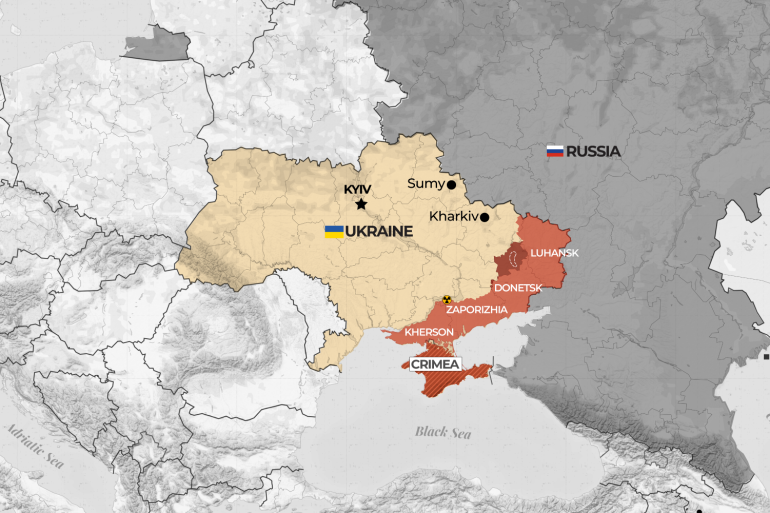
600 drones and 90 missiles rained down on Ukraine's capital overnight. The Oreshnik ballistic missile was fired at Kyiv Oblast for the first time. The National Art Museum, the Foreign Ministry building, and a school were among the sites hit.
The Scale of the Attack
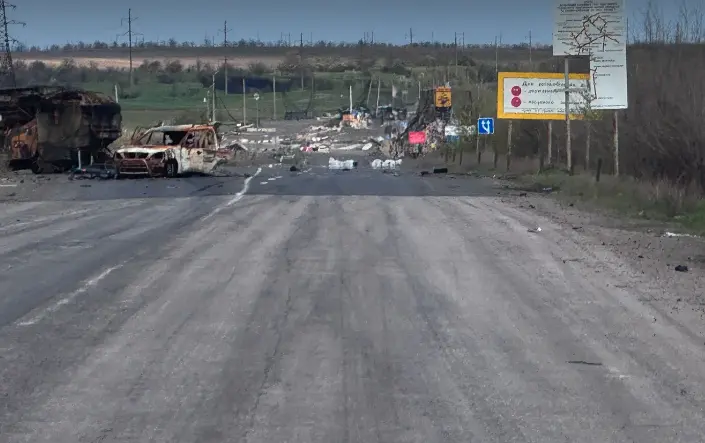
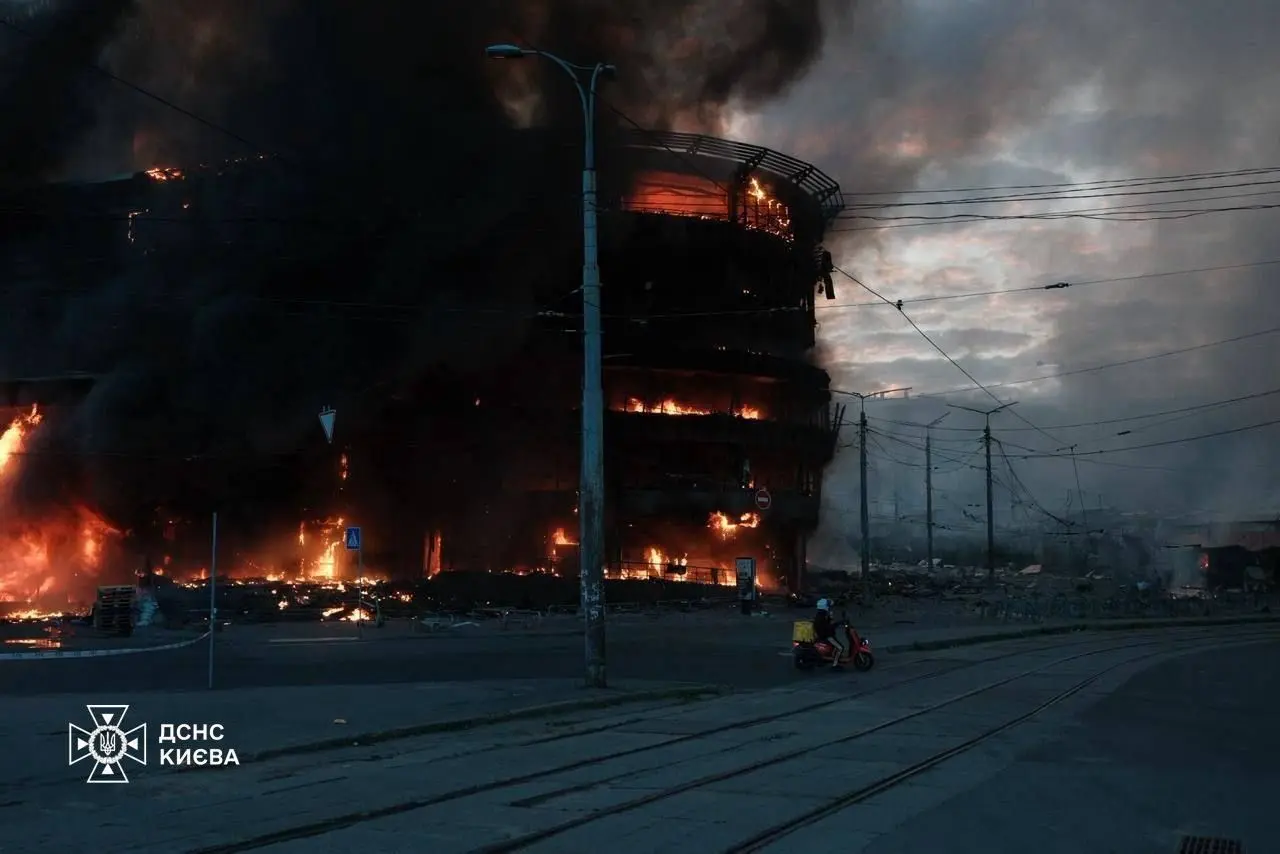
Russia unleashed one of its largest combined air attacks on Ukraine's capital in more than a year in the early hours of Sunday, May 24, killing at least four people and injuring more than 100 others in a bombardment that left damage across every district of Kyiv. Ukraine's Air Force reported the attack consisted of 600 strike drones and 90 air, sea, and ground-launched missiles. According to Ukrainian air defenses, 55 missiles and 549 drones were shot down. President Zelensky clarified that 36 of the missiles were ballistic, and not all of them were intercepted.
Residents of Kyiv described a terrifying night of sustained bombardment. "There were sounds... a terrifying explosion. A terrible explosion. Flames. For a brief instant, maybe a second, I lost consciousness," said Yevhen, a 74-year-old pensioner at one of the strike sites. "I can't say I was scared. I wasn't scared. You see, we Kyiv residents are already used to this. Our emotions have become a little dulled."
Casualties and Damage Across the City
Kyiv Mayor Vitali Klitschko confirmed 56 people were wounded in the overnight attack, 30 of whom were hospitalized, describing the night as "terrible." Two additional people were killed in the surrounding Bucha and Obukhiv districts. In Kyiv's Shevchenko district, a five-story residential building was hit, causing a fire that killed one person. A school building was damaged during the attack while people sheltered inside.
The cultural and governmental toll was severe. The National Art Museum, one of the oldest and most significant in Ukraine, was damaged by a blast wave, though its collection was reported unharmed. The Kyiv Opera Theater, the Ukrainian House, the Valeriy Lobanovskyi Dynamo Stadium, and the Chornobyl Museum were among other institutions struck.
The Oreshnik: Russia's Most Significant Escalation
The most significant escalation of the attack came with the confirmed deployment of the Oreshnik missile. The Ukrainian Air Force confirmed that Russian forces fired the RS-26 Rubezh medium-range ballistic missile, known as the Oreshnik, at the vicinity of Bila Tserkva in the Kyiv region. According to defense analysts, the weapon was fired from the Kapustin Yar test range in Astrakhan and features multiple separating warheads.
President Zelensky confirmed the strike in a Telegram post, writing that Putin had "launched his Oreshnik against Bila Tserkva," and called Russia's leadership "really insane." Russia's Defense Ministry confirmed its use of the Oreshnik and other missile types, claiming the strikes targeted Ukrainian military command and control facilities and air bases.
Russia's Stated Justification
Putin had accused Ukraine of a "terrorist" act earlier in the week, claiming Ukrainian drones struck a college dormitory in Starobilsk, a Russian-occupied town in eastern Luhansk, on Friday. Russia's Ministry of Emergency Situations reported that at least 21 people were killed and 42 injured in that strike. Ukraine disputed the characterization, saying it targeted only military facilities and denied striking the dormitory.
International Response
International condemnation followed swiftly. EU foreign policy chief Kaja Kallas condemned the confirmed use of the Oreshnik, calling it "a political scare-tactic and reckless nuclear brinkmanship," and announced that EU Foreign Ministers would meet the following week to discuss increasing international pressure on Russia. The EU is also circulating a fresh sanctions package targeting entities involved in missile production and organizations helping Moscow evade existing restrictions. European Commission President Ursula von der Leyen announced that the EU would send additional support to help Ukraine strengthen its air defense systems.
Ukraine's Foreign Minister called for emergency meetings of the United Nations Security Council and the OSCE in response. At a UN Security Council emergency session held at Russia's own request, Ukrainian Ambassador Andrii Melnyk rejected his Russian counterpart's accusations, calling them a "pure propaganda show." Poland's Air Force said it scrambled Polish and allied fighter jets to protect Polish airspace in response to the scale of the assault.
Ukraine Strikes Back: Moscow's Fuel Supply Hit
Ukraine did not limit itself to defensive measures. Ukrainian forces launched a drone strike against the Vtorovo oil pumping and dispatching station in Russia's Vladimir Oblast, a strategic hub that supplies fuel to Moscow Oblast and major Russian airports including Sheremetyevo, Domodedovo, and Vnukovo. The SBU's elite Alpha unit conducted the strike under orders from Zelensky, hitting the pumping station and causing a large-scale fire across an area of 800 square meters.
The Diplomatic Context
The assault comes amid a broader diplomatic stalemate. Negotiations to end the war have stalled as the United States remains focused on its military involvement alongside Israel against Iran, and the Trump administration has loosened some sanctions on Russian oil exports to offset energy market disruptions caused by that conflict. For a fuller picture of where the war stood heading into this escalation, see our full January-May 2026 war analysis and our examination of whether Putin is showing signs of war fatigue.
Frequently Asked Questions
The Oreshnik, also designated the RS-26 Rubezh, is a Russian intermediate-range ballistic missile featuring multiple separating warheads. The May 24 strike on Bila Tserkva marks its third operational use and the first time it has been directed at the Kyiv region. Russia claims Western air defense systems cannot intercept it, though some defense analysts describe it as an upgraded version of a missile developed in 2011. Putin has said the weapon can reach targets as far as Western Europe and announced serial production began in late 2025.
At least four people were killed and more than 100 were injured. Kyiv Mayor Vitali Klitschko confirmed 56 people were wounded in the city itself, 30 of whom were hospitalized. Two additional people were killed in the Bucha and Obukhiv districts. One person was killed when a five-story residential building in Kyiv's Shevchenko district was struck and caught fire.
The National Art Museum, the Kyiv Opera Theater, the Ukrainian House, the Valeriy Lobanovskyi Dynamo Stadium, and the Chornobyl Museum were all struck. Ukraine's Foreign Ministry building was hit for the first time since World War II. The Cabinet of Ministers building sustained blast wave damage, shattering windows, though no staff were injured.
Ukraine's Air Force reported 600 strike drones and 90 air, sea, and ground-launched missiles. Ukrainian air defenses shot down 55 missiles and 549 drones. President Zelensky confirmed 36 of the missiles were ballistic and not all were intercepted.
Ukraine struck the Vtorovo oil pumping station in Russia's Vladimir Oblast, a strategic hub supplying fuel to Moscow Oblast and major Russian airports including Sheremetyevo, Domodedovo, and Vnukovo. The SBU's Alpha unit conducted the strike under Zelensky's orders, causing a fire across 800 square meters. Ukraine's Foreign Minister also called for emergency UN Security Council and OSCE meetings.
Kai Tutor | The Societal News Team
Follow Us!
It helps decentralize our presence across the web and it's completely free!
Instagram ➤
Youtube ➤
Substack ➤
X.com ➤
Telegram ➤
TikTok ➤