Russia Launches One of Its Largest Aerial Attacks of the War on Ukraine, Killing at Least 23
73 missiles and 656 drones. A nine-story residential building collapsed in Kyiv. A 3-year-old and an 8-year-old killed in Dnipro. Russia used cluster munitions. Zelensky warned of a follow-up strike the same night.
One of the Largest Attacks of the War
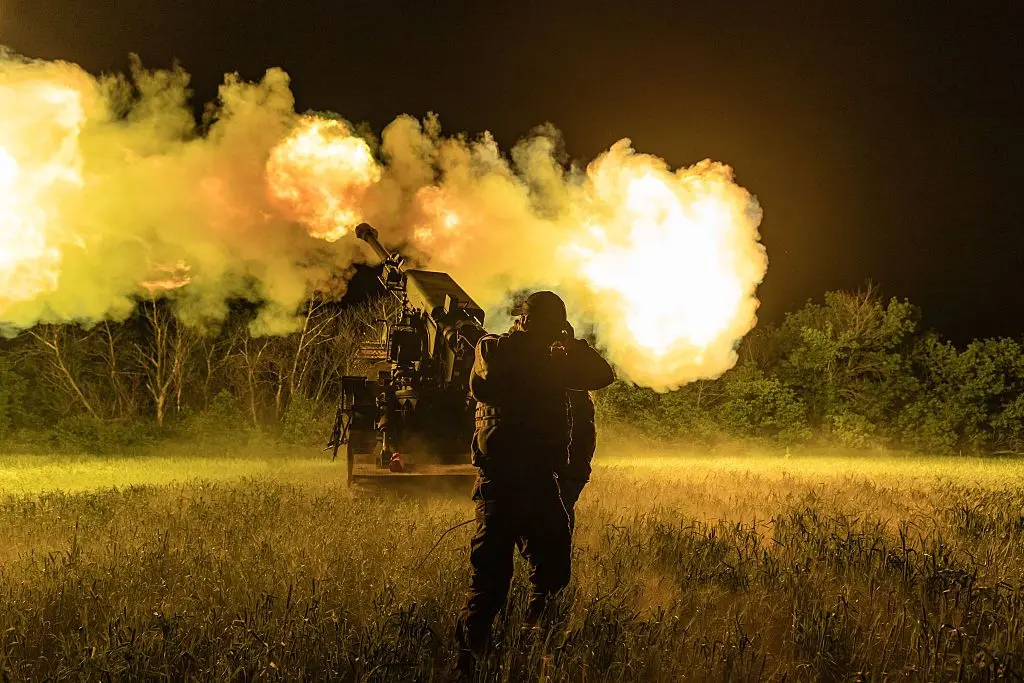
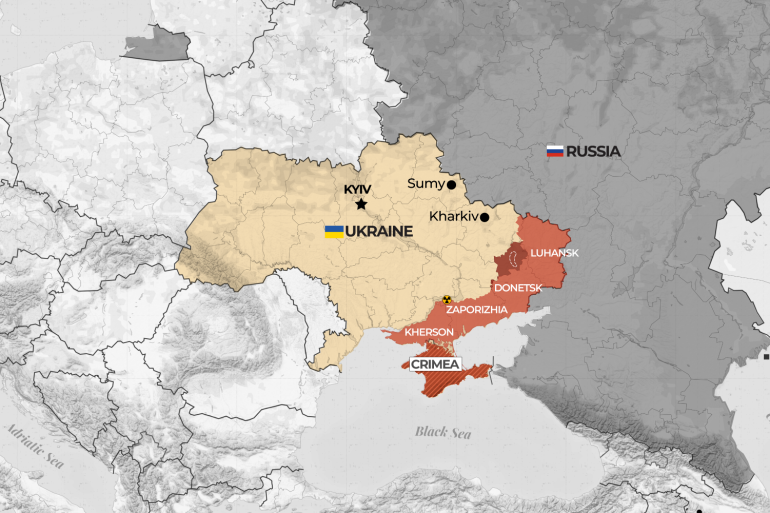
Russia launched one of the largest aerial attacks of the full-scale war against Ukraine in the early hours of June 2, 2026, targeting Kyiv and cities across the country with missiles and drones. At least 23 people, including two children, were killed and 130 others injured across the country. Ukraine's air force reported that Russia launched 73 missiles and 656 drones, of which 40 missiles and 602 drones were intercepted or suppressed.
Russia's Defense Ministry described it as a "massive strike with high-precision long-range air, land and sea-based weapons, including hypersonic aeroballistic missiles, and unmanned aerial vehicles," targeting military-industrial, fuel, transport, and military base infrastructure across multiple regions. The attack had been anticipated for days. Zelensky had warned as early as May 29 that Russia was preparing a new mass attack, citing Ukrainian intelligence, and reiterated the warning each subsequent night. Russian Foreign Minister Sergey Lavrov had told U.S. Secretary of State Marco Rubio on May 25 that Russia intended to strike Ukrainian "decision-making centers" and urged Washington to evacuate its embassy from Kyiv, though no embassies reported evacuating staff.
Kyiv: A Building Collapses, Four Hospitals Hit
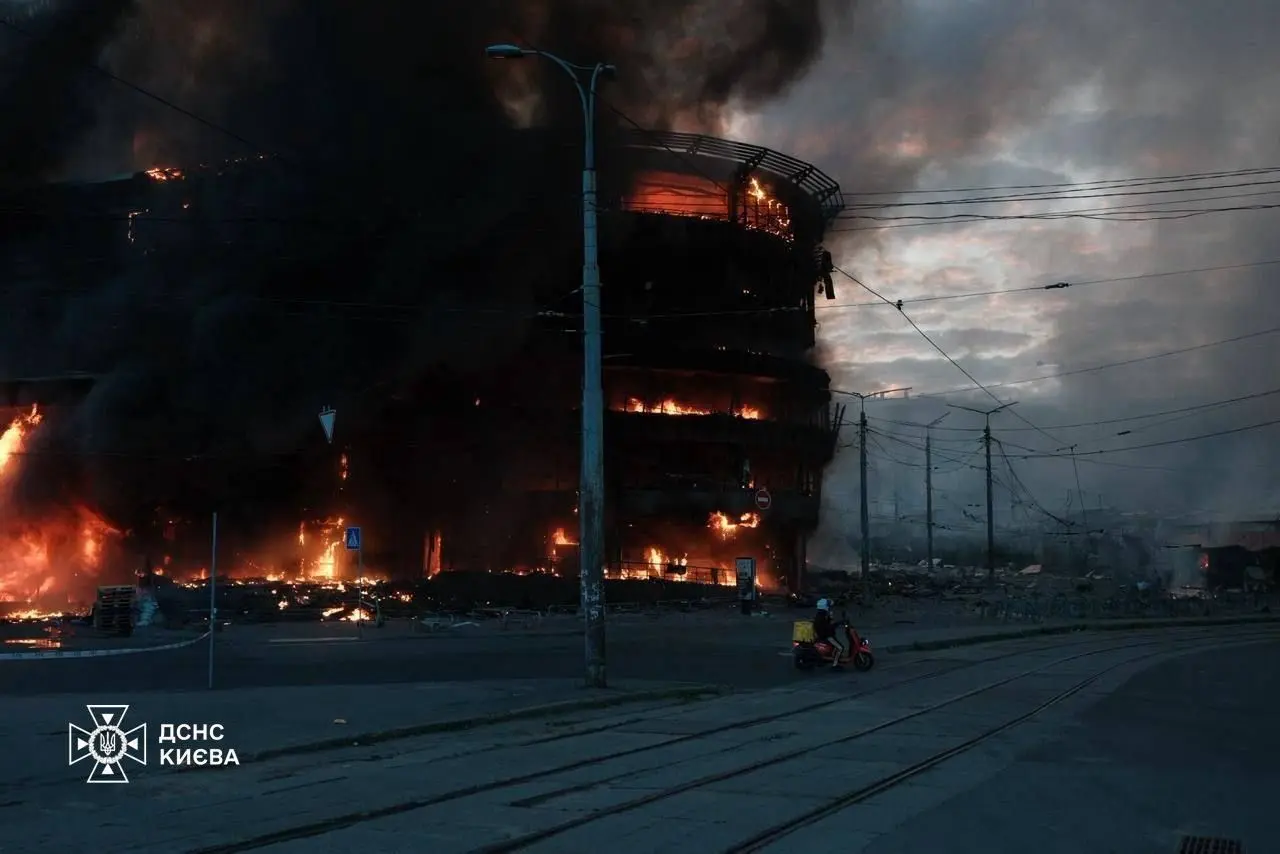
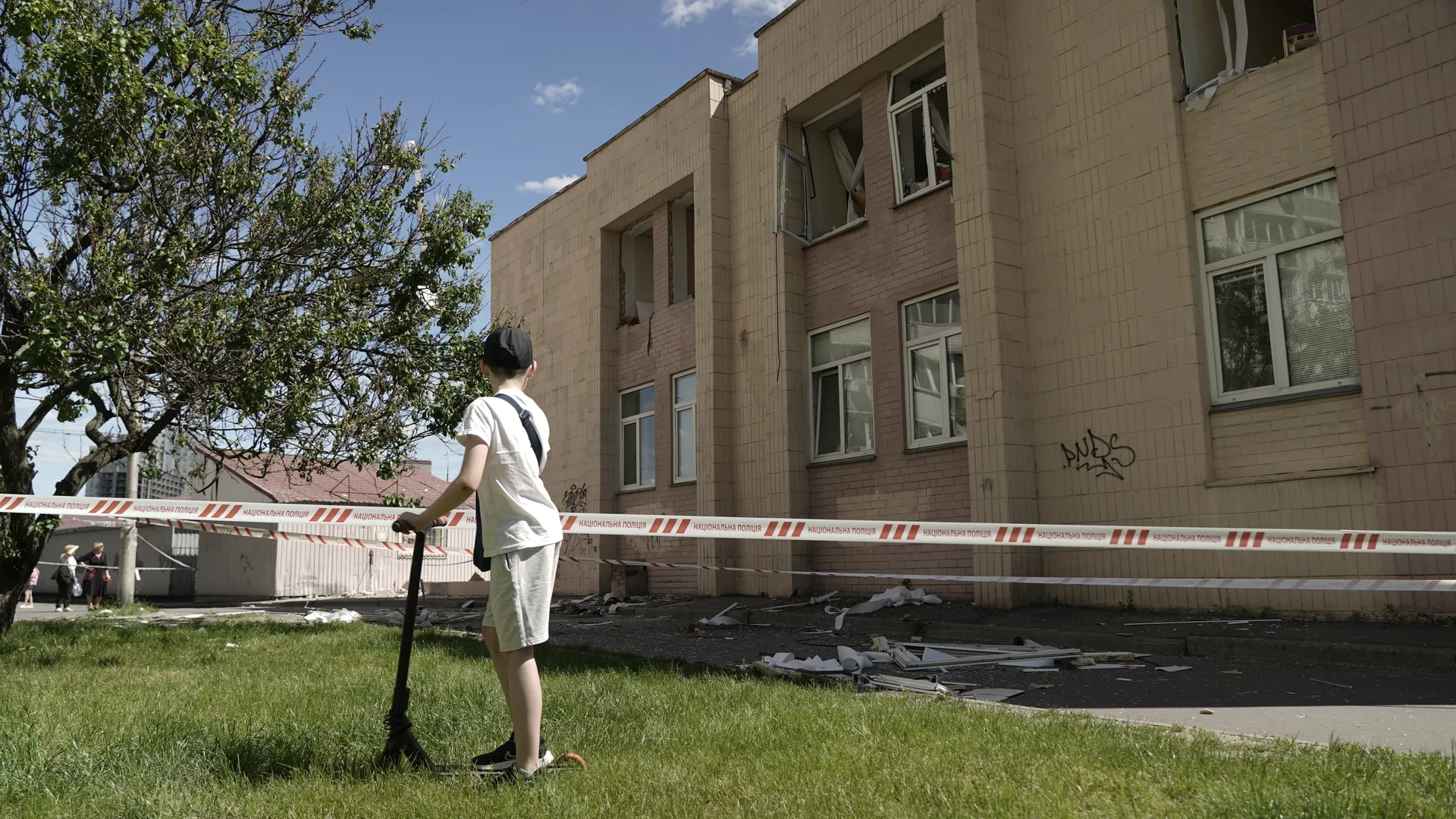
Kyiv bore the brunt of the assault. Kyiv Mayor Vitali Klitschko said that among the buildings damaged were four medical facilities. The most serious damage in the capital was reported in the Podilskyi district, where a Russian strike caused a nine-story residential building to collapse, with people potentially still trapped under the rubble, according to Ukrainian parliament chairman Ruslan Stefanchuk. Drone debris also fell near a kindergarten in the Obolonskyi district, sparking a fire at a nearby construction site, while fires broke out at gas stations and commercial buildings in multiple other districts.
Dnipro: Children Killed, Cluster Munitions Used
Dnipro suffered particularly heavy casualties. Emergency crews digging through wreckage pulled out the body of a 3-year-old child and the bodies of a mother and her 8-year-old son from a partially destroyed apartment building in the city.
Ten people, including a child, were injured in Kharkiv. Ukrainian drone strikes also killed one person in Russia's Kursk region and sparked a fire at an oil refinery in Krasnodar.
Zelensky's Appeal and Warning
Ukrainian President Volodymyr Zelensky described the overnight attack as "an explicit statement by Russia: If Ukraine is not protected from ballistic missiles and other missile strikes, those strikes will continue." He appealed for more U.S. and European support, specifically calling for Europe to develop its own anti-ballistic defense capabilities and urging the United States to urgently supply missiles for Patriot air defense systems. Zelensky also warned that intelligence indicated another large-scale strike could come the same night.
Zelensky noted that the 650 attack drones used in the assault contained more than 17,000 foreign-made components, without which Russian military production could not function, pointing to the role of sanctions evasion and foreign suppliers in enabling the strikes. Ukrainian Foreign Minister Andrii Sybiha called the attack "horrific" and said it demonstrated that Putin "is a war criminal and loser who has no cards except terror."
Context: Escalation Following Stalled Battlefield Gains
The June 2 attack followed one of the largest strikes against Kyiv in the past year, when Russia launched 90 missiles and 600 drones on May 24, damaging the Cabinet of Ministers building, the Foreign Ministry, the Kyiv Opera Theater, and the Chornobyl Museum. That attack killed four people and featured the launch of an Oreshnik intermediate-range ballistic missile. For a full account of that strike, see our report on the May 24 Oreshnik attack.
Western officials and analysts say that Ukrainian drones have been pinning down Russian troops on the front line and disrupting oil facilities deep inside Russia, while Russia's escalating aerial campaign coincides with stalled battlefield gains and a broader diplomatic impasse. In March 2026, Ukrainian forces launched counterattacks that successfully liberated most of the Russian-occupied areas of Dnipropetrovsk Oblast, and U.K. intelligence estimated in late May that Russian personnel losses since the start of the full-scale invasion had reached 500,000 soldiers. For the full picture of how the battlefield and diplomacy stood heading into June, see our June 1 analysis of Ukraine turning the tide.
Frequently Asked Questions
At least 23 people were killed, including two children, and 130 others were injured across Ukraine. In Dnipro, rescue workers pulled the body of a 3-year-old child and the bodies of a mother and her 8-year-old son from a partially destroyed apartment building. A first responder was also killed when Russia carried out a follow-up strike as rescue crews responded to the initial attack.
Ukraine's air force reported that Russia launched 73 missiles and 656 drones. Ukrainian air defenses intercepted or suppressed 40 missiles and 602 drones. Russia's Defense Ministry described it as a massive strike including hypersonic aeroballistic missiles and unmanned aerial vehicles targeting military-industrial, fuel, transport, and military base infrastructure.
Four medical facilities were damaged. In the Podilskyi district, a Russian strike caused a nine-story residential building to collapse, with people potentially still trapped. Drone debris fell near a kindergarten in the Obolonskyi district, sparking a fire. Fires broke out at gas stations and commercial buildings across multiple districts. The attack arrived in waves from 1:30 a.m. through 7:20 a.m. local time.
Dnipro Mayor Borys Filatov alleged that Russia deliberately used cluster munitions to maximize casualties among civilians, police, rescue workers, and utility crews. Cluster munitions scatter small explosive bomblets across a wide area and are widely prohibited under international humanitarian law.
Zelensky described the attack as "an explicit statement by Russia: If Ukraine is not protected from ballistic missiles and other missile strikes, those strikes will continue." He called for Europe to develop its own anti-ballistic defense capabilities and urged the U.S. to urgently supply Patriot air defense missiles. He warned of a potential follow-up strike the same night and noted the drones contained over 17,000 foreign-made components enabling Russian production.
Kai Tutor | The Societal News Team
Follow Us!
It helps decentralize our presence across the web and it's completely free!
Instagram ➤
Youtube ➤
Substack ➤
X.com ➤
Telegram ➤
TikTok ➤