When the Government Calls You a Terrorist for Disagreeing
There is no federal crime called domestic terrorism. Congress has repeatedly and deliberately declined to create one. The Trump administration is now systematically dismantling that restraint through executive orders, presidential memoranda, and a formal 2026 counterterrorism strategy.
The Restraint Being Dismantled
There is no federal crime called "domestic terrorism." That is not a loophole or an oversight. Congress has repeatedly and deliberately declined to create one, because lawmakers across generations have understood that attaching the terrorism label to American citizens based on their beliefs, rather than their actions, risks something the Constitution was designed to prevent: the state wielding its most powerful tools against its own people for political reasons.
The Trump administration is now systematically dismantling that restraint. Since September 2025, through a cascade of executive orders, presidential memoranda, and now a formal national counterterrorism strategy, the administration has constructed a framework for labeling domestic political dissent as terrorism. The definitions involved are breathtakingly broad. The targets include not just violent actors but entire ideological categories. And the machinery being activated, the FBI, the Joint Terrorism Task Forces, the IRS, the Department of Justice, is among the most powerful law enforcement infrastructure in the history of democratic governance.
The Architecture of Expansion
The effort began in earnest on September 22, 2025, when Trump signed an executive order designating Antifa as a "domestic terrorist organization." Three days later came National Security Presidential Memorandum 7, or NSPM-7, titled "Countering Domestic Terrorism and Organized Political Violence."
The memorandum asserts that a vast left-wing conspiracy is responsible for increasing political violence in the U.S., using generalities rather than specific facts. It creates no new powers in the legal framework, but seeks to weaponize existing law and law enforcement agencies to target left-leaning organizations. The breadth of the ideological categories named as terrorism indicators is where legal experts began sounding serious alarms.
Read plainly, this means that holding views the administration characterizes as anti-capitalist, opposing its immigration enforcement posture, or holding positions on gender that conflict with administration orthodoxy, can now mark you as ideologically aligned with domestic terrorism. NSPM-7 appears designed to allow First Amendment-protected speech to serve as the basis for beginning law enforcement investigations that could lead to other criminal charges, and to chill free speech and association. Thirty-one members of Congress sent a letter to Trump warning that the memorandum poses "serious constitutional, statutory and civil liberties risks, especially if used to target political dissent, protest or ideological speech."
The May 2026 Counterterrorism Strategy: Putting It in Writing
If NSPM-7 represented the first wave, the administration's formal 2026 United States Counterterrorism Strategy, released in May 2026, represents consolidation and escalation. The strategy identifies three primary categories of terror threats: "Narcoterrorists and Transnational Gangs," "Legacy Islamist Terrorists," and "Violent Left-Wing Extremists, including Anarchists and Anti-Fascists."
The strategy also invokes the assassination of Charlie Kirk as a central justification. Claims tying a trans person to the killing were disputed, and multiple news outlets later retracted or corrected early reporting. Building a national security doctrine on contested and partially retracted factual premises is itself a warning sign about the rigor driving these designations. The strategy's introduction, written by Trump personally, closes: "We will find you and we will kill you." That language, directed at domestic political categories rather than a specific foreign enemy, has alarmed civil liberties groups and legal scholars in equal measure. The Freedom From Religion Foundation described the strategy's language as "associated with authoritarian governments," warning it dangerously conflates protected political viewpoints and secular advocacy with terrorism.
Real Consequences, Not Just Rhetoric
Critics sometimes face the objection that these documents are symbolic, political theater without practical bite. The evidence does not support that reading.
Attorney General Pam Bondi told federal prosecutors and law enforcement agencies to compile a list of groups "engaged in acts that may constitute domestic terrorism," while expanding domestic terrorism priorities to include "politically motivated terrorist acts such as organized doxing campaigns, swatting, rioting, looting, trespass, assault, destruction of property, threats of violence, and civil disorder." That list encompasses activities ranging from genuine threats to constitutionally protected assembly and speech.
Both NSPM-7 and the Antifa executive order take aim at the tax-exempt status of foundations that fund civil society groups. NSPM-7 directs the IRS commissioner to ensure that "no tax-exempt entities are directly or indirectly financing political violence or domestic terrorism," and the Antifa executive order instructs federal law enforcement to investigate and prosecute those who provide "material support" by funding targeted groups. This is the mechanism by which environmental nonprofits, immigrant rights organizations, and progressive advocacy groups become entangled in counterterrorism infrastructure without their members ever touching anything resembling a weapon.
The IRS angle carries a precise historical echo. During Nixon's presidency, the IRS was used to audit and harass political opponents. The Church Committee investigations of the 1970s exposed the full scope of how COINTELPRO, the FBI's domestic intelligence program, was used to infiltrate, surveil, and disrupt civil rights organizations, anti-war groups, and activists who posed no genuine threat of violence. The pattern is not new. What is new is the explicit, formal articulation of it in presidential strategy documents. This dynamic connects to a broader pattern we examined in our investigation into how the Trump administration uses institutional power for political and financial purposes.
The Chilling Effect Is the Point
Legal experts who have studied NSPM-7 and the 2026 counterterrorism strategy are consistent about one thing: the primary mechanism of harm is not necessarily mass prosecution. It is fear. As civil liberties lawyers have noted, "We know they're not going to be able to bring so many prosecutions. They can't prosecute 40% of the country or whatever who holds this belief, but the effect is, the few prosecutions they bring will have a chilling effect on the broader population and on protest activity in general."
The chilling effect operates by making people ask: "Should I really be posting this online? Should I be going to that anti-ICE protest, or is that going to put me very firmly at risk of being called a domestic terrorist and investigated as such?" This is not a hypothetical concern. Climate activists with Extinction Rebellion were arrested in April 2026 outside Trump Tower in New York after the group said they were being investigated by the Department of Justice as domestic terrorists for several of their protests.
No Federal Crime Means No Legislative Restraint
One of the most important structural facts in this entire debate receives insufficient attention: Congress has repeatedly and explicitly declined to create a federal crime of domestic terrorism, even after September 11, 2001, when pressure to expand such authority was enormous. The reason is straightforward. Any definition of terrorism that includes ideological components risks criminalizing people based on belief rather than criminal conduct.
The Trump administration has found a way around that legislative restraint: not by passing a law, but by using the executive's existing counterterrorism authorities across multiple agencies to achieve a similar result without Congress's involvement. Based on the list of political views the documents target, the administration could use NSPM-7 to go after pretty much anyone who is not aligned with MAGA. This is precisely the separation-of-powers concern that the framers built the Constitution to address. The executive is not supposed to unilaterally acquire the authority to define political opposition as criminal. That it is doing so through labeled administrative documents rather than legislation does not make it less consequential. It may make it more so, because the mechanisms are diffuse, distributed across agencies, and harder to challenge in court than a single statute would be.
The Authoritarian Pattern and Where It Leads
Students of democratic backsliding have identified a consistent early warning sign: the governing party labels its political opponents as threats to the state rather than legitimate participants in political competition. Hungary under Viktor Orban, Turkey under Recep Tayyip Erdogan, and earlier examples from 20th century Europe all followed a similar pattern. The specific content of the accusations varies. The structure is identical: legitimate dissent is reframed as existential threat, which justifies expanding executive power to suppress it, which reduces the political competition that might constrain the executive further.
McCarthyism in the early 1950s destroyed careers and chilled public discourse by equating ideological sympathy with communism with treason. COINTELPRO, running from 1956 to 1971, used FBI infiltration and disruption campaigns against the civil rights movement, anti-war organizers, and Black nationalist groups, with Martin Luther King Jr. subjected to surveillance, harassment, and pressure campaigns designed to discredit and destabilize him. In neither case did the apparatus require that its targets had actually committed crimes. Ideological categorization was sufficient.
What is different now is the formal, documented, publicly released nature of the framework. NSPM-7 and the 2026 counterterrorism strategy are not classified programs exposed by whistleblowers decades later. They are published White House documents. The administration is telling the country, openly, that it intends to use counterterrorism machinery against people whose ideology it characterizes as anti-American.
The Word Stops Describing a Threat and Starts Describing a Category
The courts remain a check. So does Congress, though it has so far exercised that check with limited effectiveness. So does public attention. What none of those institutions can do is undo the chilling effect that is already underway: the protest that is not held, the organization that dissolves quietly, the donor who decides the risk is not worth it. That effect does not require a single prosecution to be real. It requires only that people believe, with good reason, that the government is watching, categorizing, and waiting.
The word "terrorism" is not neutral. It carries enormous legal, social, and psychological weight. It has been used throughout history to justify extraordinary measures that in normal political conditions would be recognized as violations of basic rights. When a government begins applying it to people based on their opinions about capitalism, immigration, gender, or religion rather than their acts of violence, the word stops describing a security threat and starts describing a political category. That transformation is not a step toward safety. It is a step toward the kind of state that America's founders spent considerable effort designing a system to prevent.
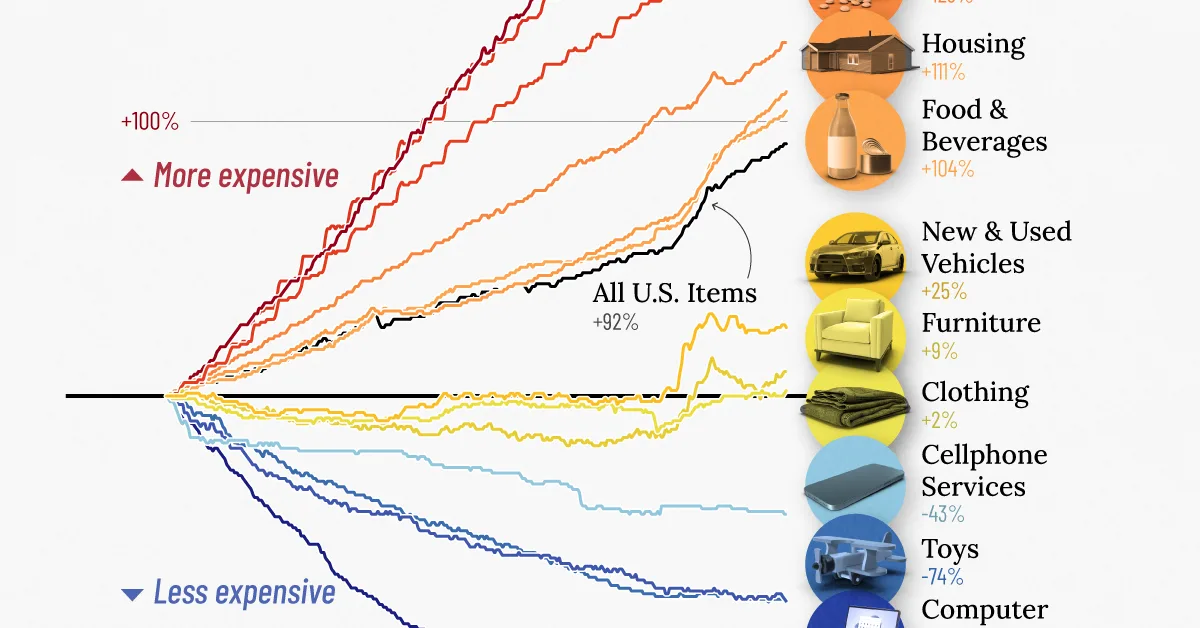
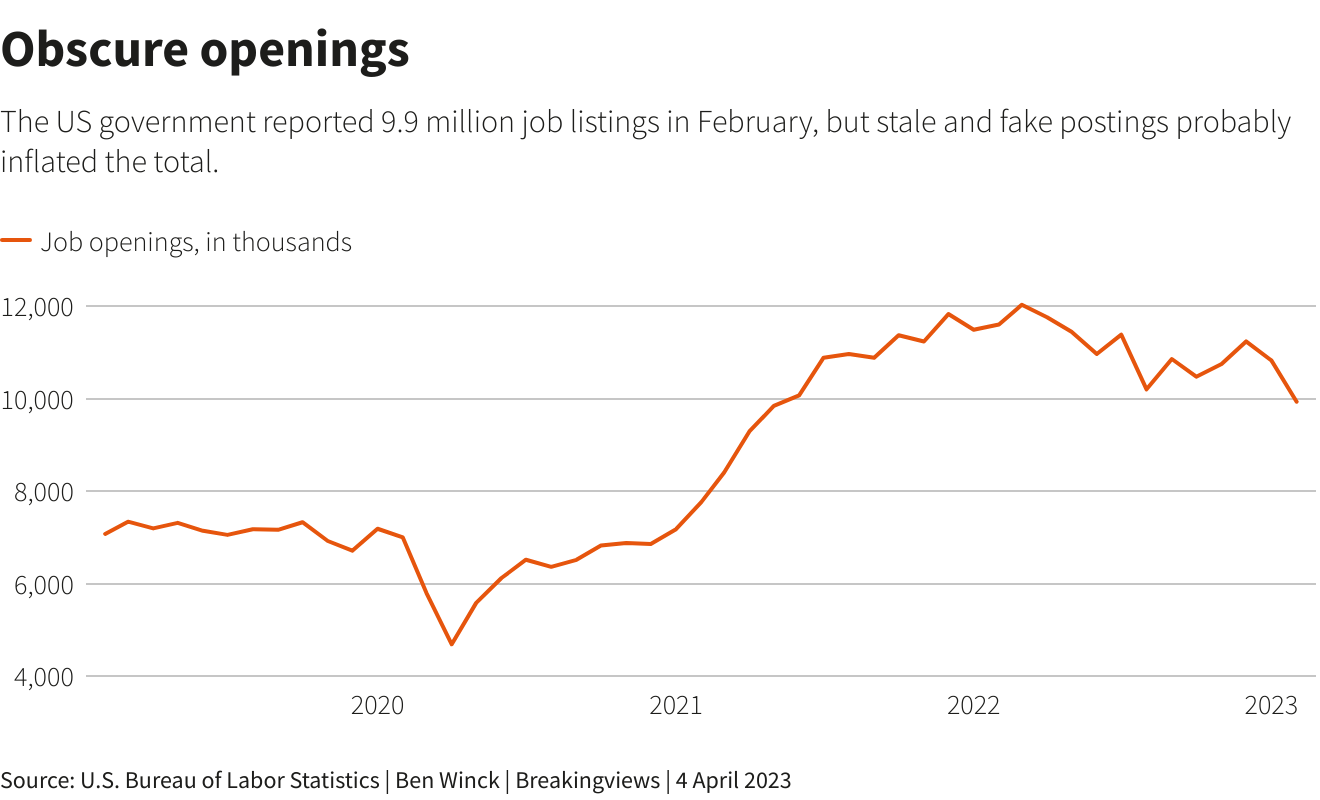
They have good reason to believe that. The government has said so explicitly. The same dynamic, where official statistics and legal frameworks are constructed to serve political ends rather than describe reality accurately, connects to what we examined in our analysis of how economic data is built to tell the most comfortable version of the story.
Frequently Asked Questions
Is there a federal crime of domestic terrorism?
No. Congress has repeatedly and deliberately declined to create one, because any definition that includes ideological components risks criminalizing people based on belief rather than criminal conduct. The Trump administration has worked around this by using existing counterterrorism authorities across multiple agencies, including the FBI, IRS, and DOJ, to achieve a similar result without congressional approval.
What is NSPM-7 and what does it do?
NSPM-7, signed September 25, 2025, is titled "Countering Domestic Terrorism and Organized Political Violence." It creates no new legal powers but weaponizes existing law enforcement to target left-leaning organizations. It labels First Amendment-protected beliefs, including anti-capitalism, positions on gender and immigration, and opposition to traditional views on family and religion, as potential terrorism indicators. The ACLU has warned it could open the door to criminalizing people for viewpoints the administration disagrees with.
What does the 2026 U.S. Counterterrorism Strategy say about domestic groups?
The May 2026 strategy identifies "Violent Left-Wing Extremists, including Anarchists and Anti-Fascists" as one of three primary terror threats. It promises to "prioritize the rapid identification and neutralization of violent secular political groups whose ideology is anti-American, radically pro-transgender, and anarchist." The term "anti-American" is left undefined. The strategy's introduction closes with Trump writing: "We will find you and we will kill you."
What happened in the Prairieland domestic terrorism case?
Nine activists were convicted in February 2026 following a protest outside an ICE detention facility near Fort Worth. Eight were convicted of riot, explosive charges, and providing material support to terrorists. A ninth person who was not present at the protest was convicted on charges related to moving a box of zines in the days after the protest, demonstrating how material support statutes can reach people with no direct involvement in any alleged violent act.
How does this compare to COINTELPRO and McCarthyism?
McCarthyism equated ideological sympathy with communism with treason. COINTELPRO from 1956 to 1971 used FBI infiltration and disruption against the civil rights movement and anti-war organizers, subjecting Martin Luther King Jr. to surveillance and pressure campaigns. In neither case did the apparatus require that targets had actually committed crimes. What is different now is that NSPM-7 and the 2026 counterterrorism strategy are published White House documents, not classified programs exposed by whistleblowers decades later.
Kai Tutor | The Societal News Team
Follow Us!
It helps decentralize our presence across the web and it's completely free!
Instagram ➤
Youtube ➤
Substack ➤
X.com ➤
Telegram ➤
TikTok ➤
Sources: ACLU, "How NSPM-7 Seeks to Use 'Domestic Terrorism' to Target Nonprofits and Activists," October 2025 | Brennan Center, "Trump's Orders Targeting Anti-Fascism Aim to Criminalize Opposition" | Brennan Center, "Trump's Version of 'Domestic Terrorism' vs. the First Amendment" | The Conversation, "Labeling Dissent as Terrorism," April 2026 | Charity and Security Network, NSPM-7 Summary and Commentary, October 2025 | Charity and Security Network, "2026 Counterterrorism Strategy Escalates Crackdown on Civil Society," May 2026 | WilmerHale, "Understanding the Impact of Different Terrorism Designations," October 2025 | NYCLU, "Joint Terrorism Task Forces Are Being Used by Trump to Target Activists," December 2025 | PBS NewsHour, "Experts question Noem calling Good a 'domestic terrorist,'" January 2026 | The Intercept, "Why We Have to Fight Back Against ICE Protesters' Terror Convictions," March 2026 | WBUR/On Point, "Who's a 'domestic terrorist' in Donald Trump's America?", April 2026 | HS Today, "White House Releases 2026 Counterterrorism Strategy," May 2026 | Washington Blade, "White House counterterrorism strategy targets 'anti-American, radically pro-transgender' groups," May 2026 | Freedom From Religion Foundation, "FFRF warns about Trump counterterrorism strategy," May 2026 | amNewYork, "16 climate activists arrested outside Trump Tower," April 2026 | White House, NSPM-7 "Countering Domestic Terrorism and Organized Political Violence," September 25, 2025 | White House, 2026 United States Counterterrorism Strategy, May 2026