Profiteers of the Russian Ukrainian War - Analysis Of Both Sides
Overview: Who Benefits from the War?
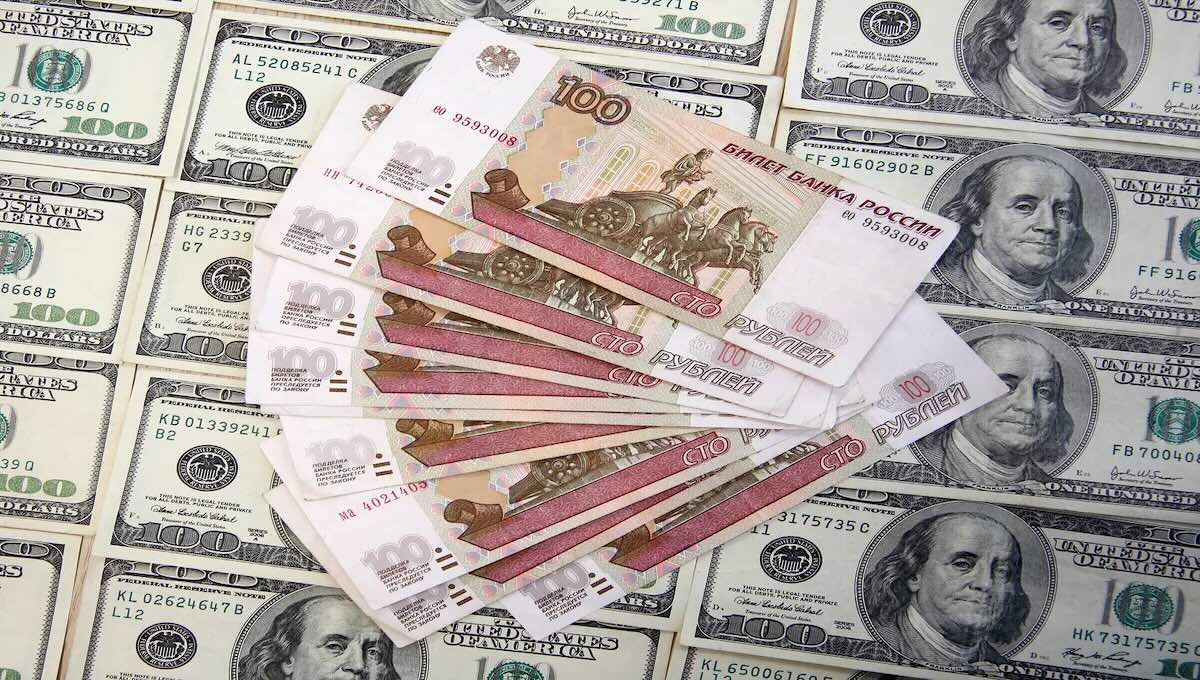
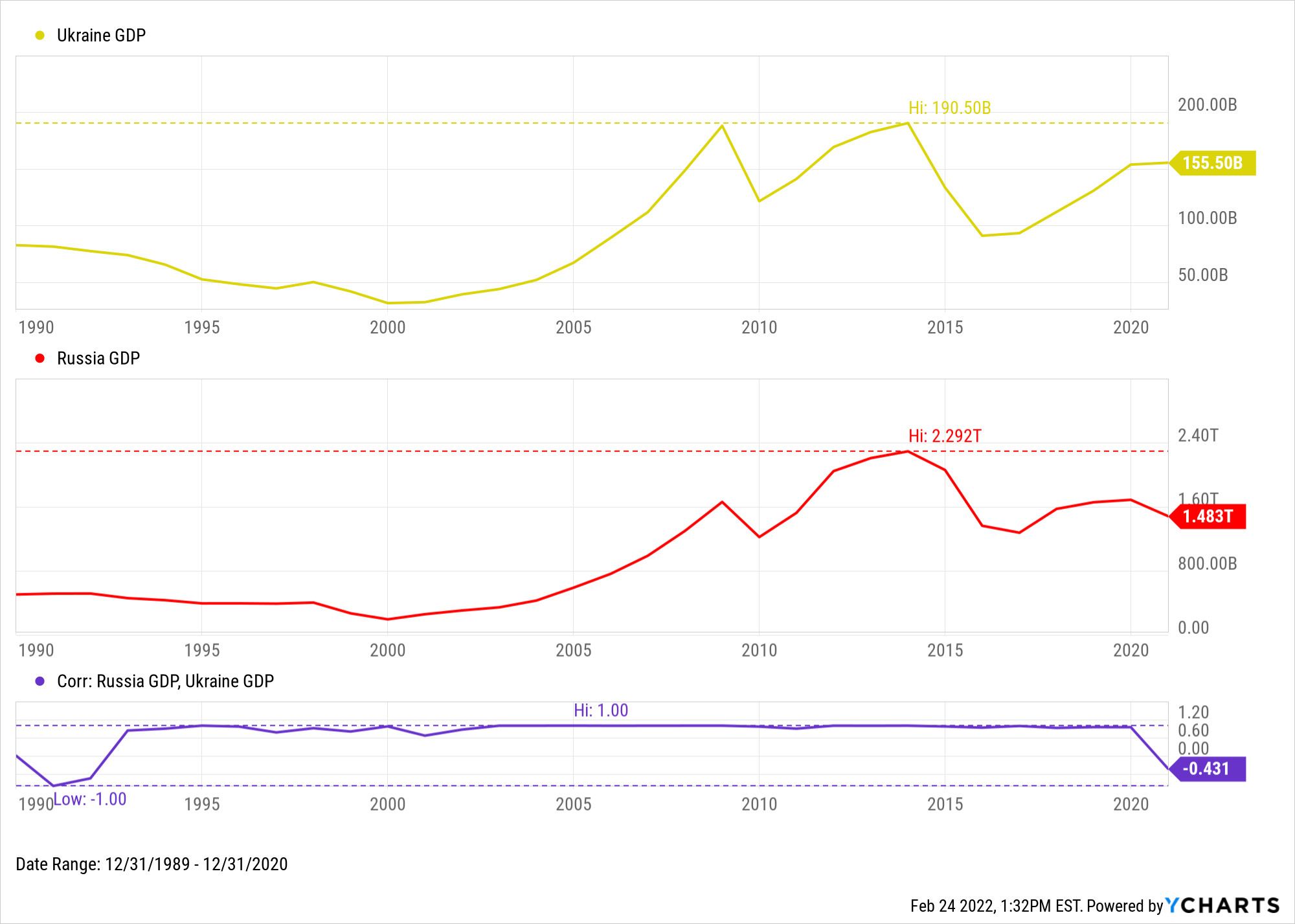
The invasion of Ukraine by Russia in February 2022 has reshaped global economics, with ripple effects including energy price spikes, agricultural disruptions, and a surge in military spending. By January 2026, Russia's economy shows signs of strain, with GDP growth projected at 1% or less for 2025 and similar for 2026, largely due to war expenditures. Meanwhile, Ukraine's reconstruction needs are estimated in the hundreds of billions, creating opportunities for investors. Profiteers span both sides, Russian elites consolidate wealth amid sanctions, while Western entities benefit from aid packages and defense contracts. Big Oil firms have recorded $380 billion in profits since the invasion, fueled by energy market volatility.
Total US aid to Ukraine: $175 billion+
EU loan to Ukraine (December 2025): €90 billion
Russia refinery strike cost: $75 million/day ($27.4 billion/year)
Ukraine reconstruction estimate: hundreds of billions
Russia GDP growth projection (2025-2026): 1% or less
Putin and Russian Oligarchs
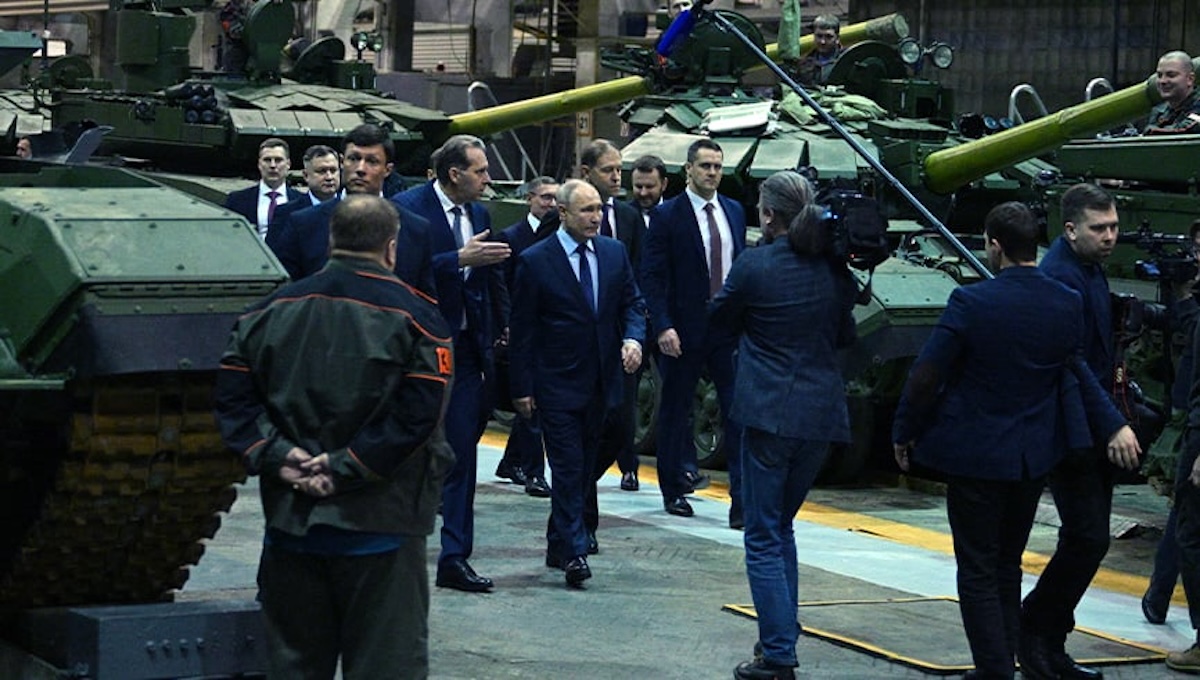
On the Russian side, President Vladimir Putin and his aligned oligarchs have navigated sanctions to maintain and even expand wealth. Putin has used Western sanctions as a tool to control billionaires, transforming them into dependent instruments of Kremlin power. Loyalists profit handsomely, Russian businesspeople have grown richer from war-related contracts, with billions in defense deals producing weapons used in Ukraine. For instance, Ukraine's refinery strikes are costing Russia $75 million daily, or $27.4 billion annually, yet this burden is offset by oligarchs' gains in energy and arms sectors. Putin has punished dissenters while rewarding compliance, as seen in the voicelessness of billionaires who dare not oppose the war. By January 2026, Kremlin elites may pressure Putin for negotiations as costs mount, with higher taxes and fading wartime stimulus signaling economic fatigue. Some reports suggests oligarchs backed the invasion to plunder Donbas resources, figures like Yevgeny Prigozhin (now deceased) highlighted this motive. Overall, the war has enriched a select few while stifling broader Russian growth.
Zelensky
President Volodymyr Zelensky has faced persistent allegations of personal profiteering, amplified by gossip. Claims of $1.2 billion in offshore accounts, multiple homes, and war profits have circulated, but fact-checks reveal no substantial evidence. Zelensky's declared income dropped significantly during the war from 10.8 million hryvnias ($286,168) in 2021 to 3.6 million ($94,886) in 2022, with 2024 figures showing reliance on salary and rentals. His net worth is estimated at around $30 million as of 2025, down from pre-war levels. However, some reports allege a "criminal group" around Zelensky profits from the conflict, with offshore networks like Green Films selling content to Russia tax-free. Zelensky has pushed for transparency, publishing incomes amid anti-corruption drives, but critics claim aid discrepancies, like $100 billion in "missing" U.S. funds, fuel suspicions. While unsubstantiated, these narratives persist, with Zelensky accusing others of business on "Ukrainian blood".
Trump and US Politicians
U.S. politicians benefit indirectly through aid packages that boost domestic industries. Congressional districts producing weapons for Ukraine have received billions, with examples like artillery and missiles manufactured locally. The 2026 NDAA includes $400 million annually for Ukraine aid, extending benefits to troops and contractors. Total U.S. aid exceeds $175 billion, much funneled to American firms. Reports label this a "money laundering scheme" for defense manufacturers. Regarding the Trump family, second-term deals raise conflict concerns, with at least $1.4 billion in gains from presidency-related ventures. Historical Russia links seem to persist. News media suggest BlackRock, Jared Kushner, and associates eye Donbas profits in peace plans. No direct war profiteering evidence ties the family, but lack of transparency fuels speculation.
Palantir
Palantir has emerged as a key profiteer, providing AI tools for Ukrainian targeting and intelligence. CEO Alex Karp stated the company handles "most of the targeting in Ukraine," aiding demining and reconstruction. Shares surged 11% amid escalating tensions in 2024, with revenues tied to defense contracts. Critics note Palantir's role in other conflicts, like Gaza, raising ethical questions about wartime tech profits. A potential U.S. aid cut could impact earnings.
EU, NATO, and Poland
EU and NATO politicians oversee massive aid, with the EU agreeing to a €90 billion loan for Ukraine in December 2025, using frozen Russian assets. No direct personal profits are documented, but enhanced cooperation boosts defense industries. NATO's support includes billions in equipment, benefiting member economies. Some reports accuse EU leaders of prioritizing profits over peace. Poland exemplifies gains, as Ukraine's logistics hub, it derives economic benefits from trade, refugees (adding 2.7% to GDP in 2024), and EU funds (€180 billion in 2026). Growth forecasts at 3.5% in 2026, outpacing EU averages.
Israel
Israel has profited from increased arms demand, with firms like Elbit Systems earning $6.28 billion in 2025. Early reports noted benefits from Ukraine's crisis, including weapons sales and security exports to Europe. However, Israel remains hesitant on direct aid, like air defenses, due to Russia relations. Immigration to Israel from Ukrainian Jews (over 40,000 since 2022) bolsters demographics. Critics link Israel's Gaza involvement to broader war profiteering, but Ukraine ties are neutral.
Others: BlackRock, Vanguard, and Global Arms
Corporations like BlackRock, Statestreet, and Vanguard eye Ukraine's assets via a $15 billion fund, amid allegations of post-war profiteering. U.S. farmers gained from reduced competition. Global arms revenues surged, with SIPRI noting increases due to wars in Ukraine and Gaza. Reports list multinationals in Ukraine profiting from corruption.
Conclusion
The Russia Ukrainian War exemplifies how economic incentives perpetuate conflict. Russian oligarchs consolidate under Putin, while Western aid enriches industries and districts. Zelensky's wealth claims lack proof, but gossip persists. Entities like Palantir and Israeli firms capitalize on tech and arms demand, with Poland exemplifying EU gains. To foster peace, addressing these profit motives, through transparency and sanctions reform, is essential. As of January 2026, with Russia advancing and aid debates raging, the human cost far outweighs any gains.
Kai Tutor | The Societal News Team 28 JAN 2026
Follow Us!
It helps decentralize our presence across the web and it's completely free!
Instagram ➤
Youtube ➤
Substack ➤
X.com ➤
Telegram ➤
TikTok ➤