Ukraine Brings Home 193 Soldiers in the 73rd Prisoner Exchange of the War
Key Facts
- 193 Ukrainians returned on April 24, 2026 — the 73rd prisoner exchange since February 2022.
- Russia received 193 soldiers in return, confirmed by Russia's Defense Ministry.
- Mediated by the United States and the United Arab Emirates.
- Most returnees had been held in Chechnya; some faced fabricated criminal charges.
- Over 7,000 Ukrainians have now been returned since the full-scale invasion began.
- Russia still holds approximately 7,000 Ukrainian prisoners as of early 2026.
What Happened
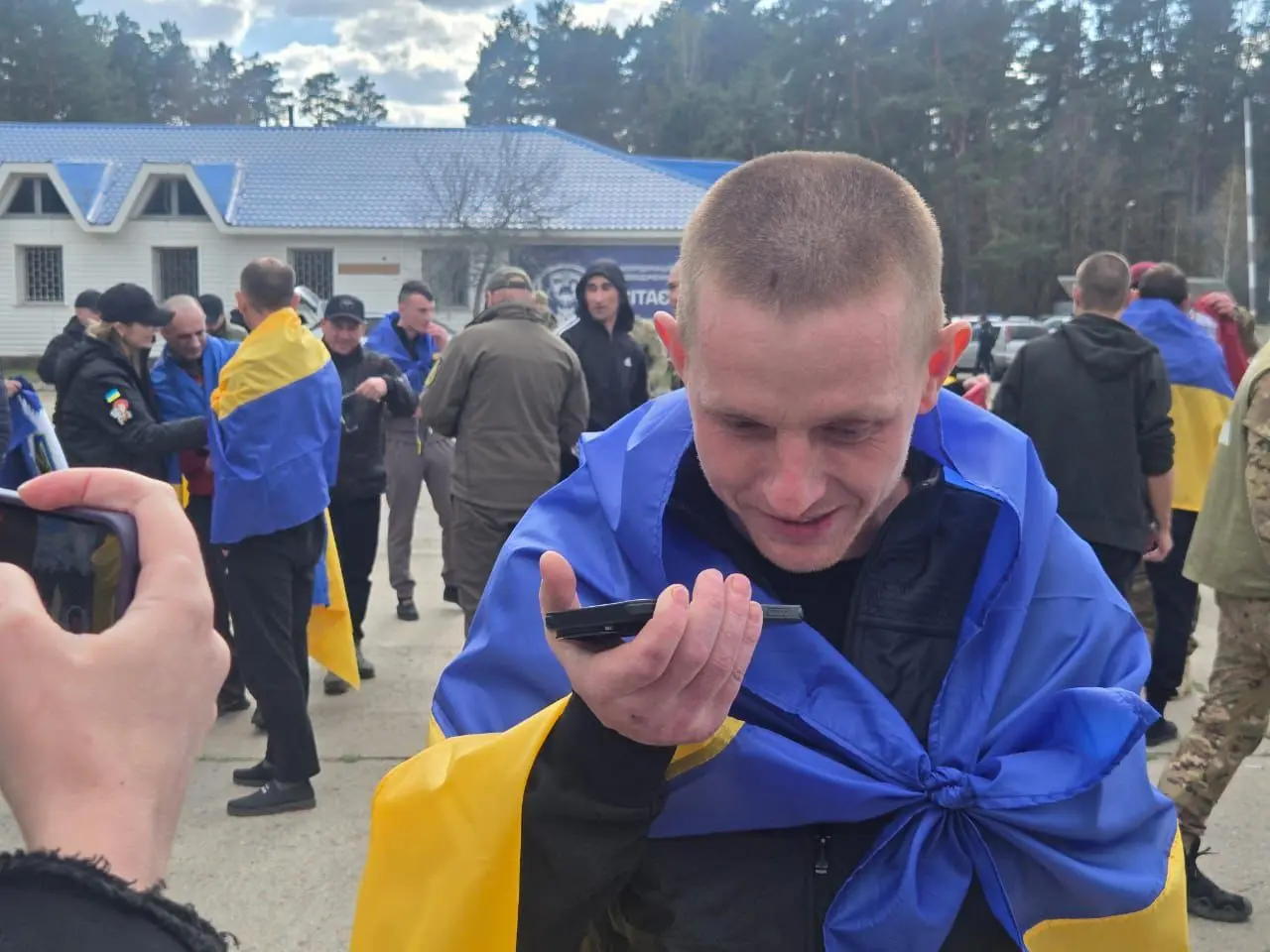
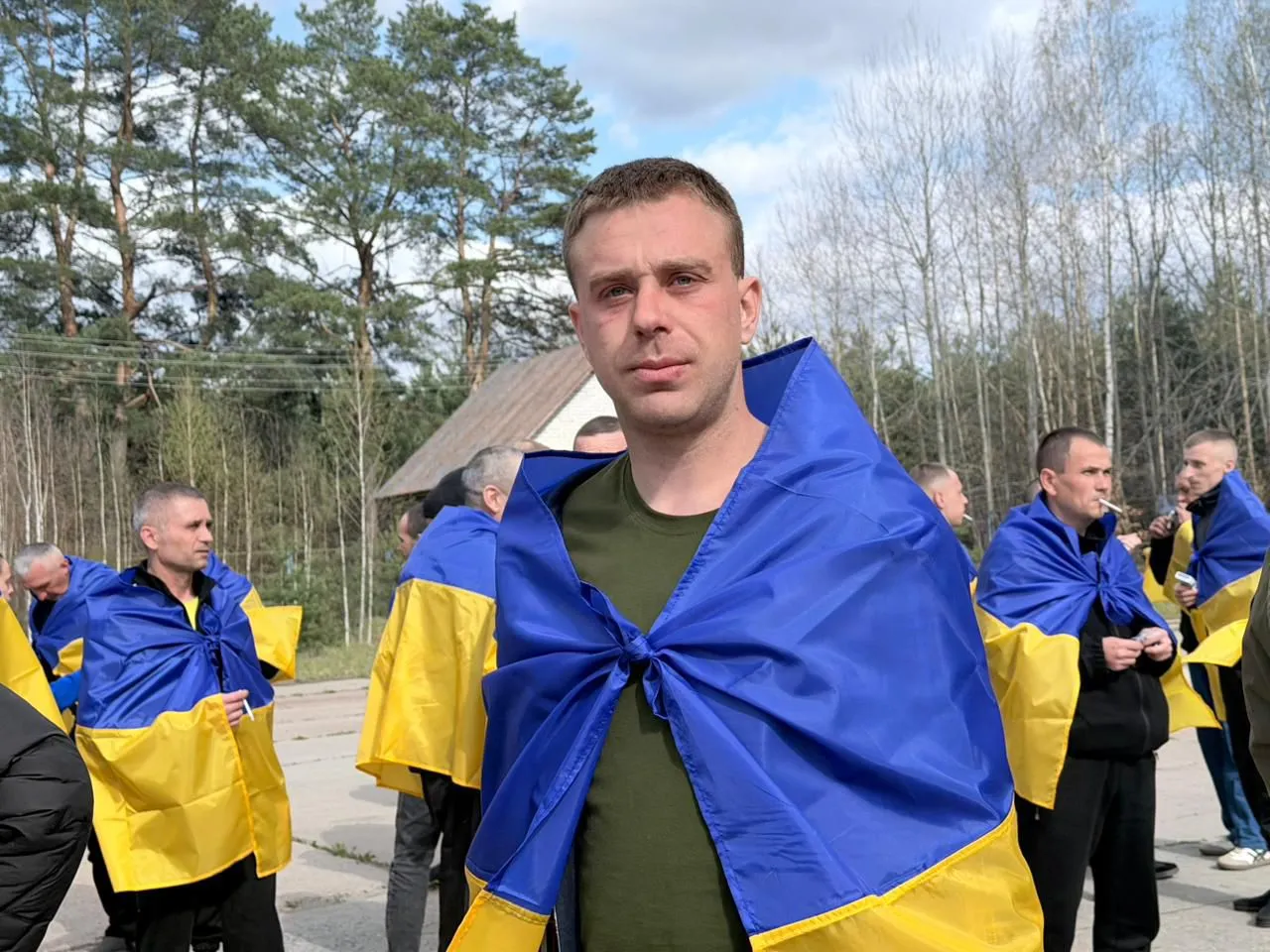
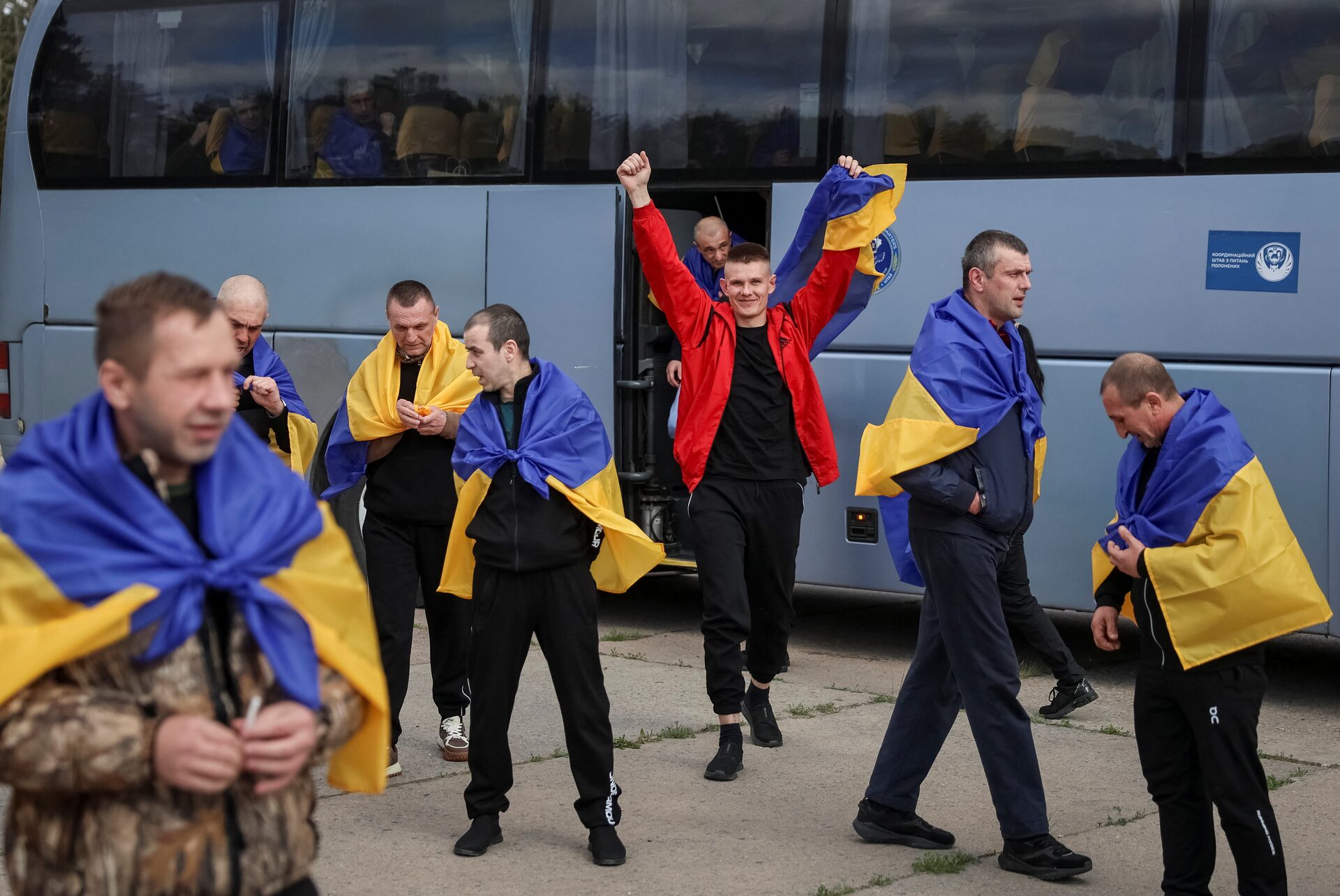
On April 24, 2026, 193 Ukrainian service members crossed back into Ukrainian-controlled territory after months or years in Russian captivity. President Volodymyr Zelensky confirmed the exchange on Telegram, thanking the frontline units whose battlefield operations sustain what Ukraine calls its "exchange fund," the stock of Russian prisoners that gives Kyiv any leverage at the negotiating table at all. Russia's Defense Ministry confirmed the same number on its side: 193 Russian soldiers returned home in exchange.
It was the 73rd prisoner swap since Russia launched its full-scale invasion in February 2022. That number tells a story of its own. Over four years of grinding war, the prisoner exchange process has become one of the very few channels in which the two sides do anything resembling cooperation. Everything else, from ceasefire proposals to territorial negotiations, has collapsed or stalled. The exchanges keep happening.
The April 24 swap was framed by Ukrainian officials as a continuation of the Easter exchange that took place on April 11, when Ukraine and Russia each returned 175 prisoners in a deal brokered by the United Arab Emirates just hours before a 32-hour Orthodox Easter truce took effect. That earlier exchange also included the release of seven Russian civilians from the Kursk region who had been held by Ukraine following its 2024 cross-border incursion. The April 24 exchange extended that same diplomatic momentum by two weeks.
Who Came Home
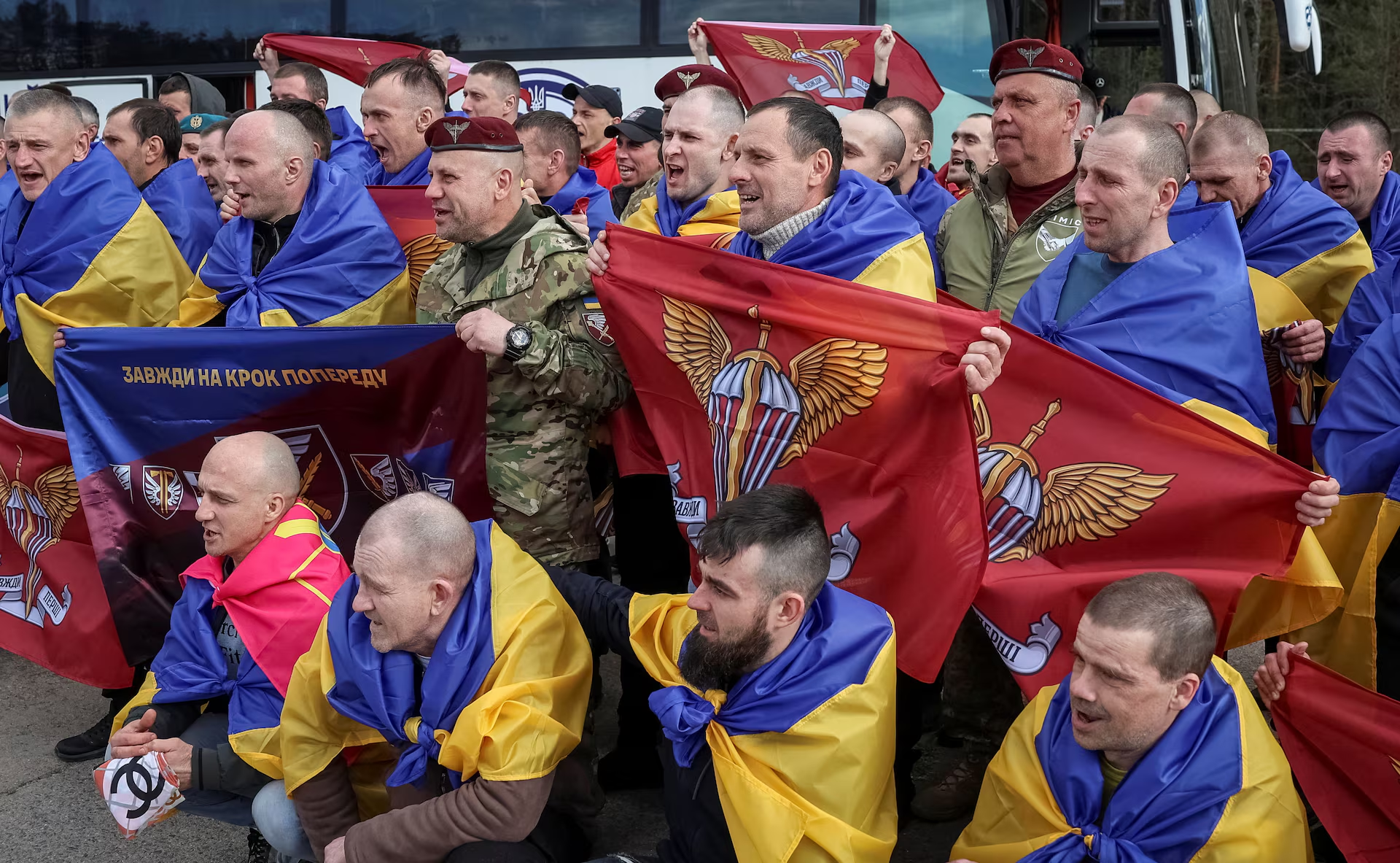
According to Ukraine's Coordination Headquarters for the Treatment of Prisoners of War, the 193 returned Ukrainians came from every major branch of the country's security apparatus: the Armed Forces, the National Guard, the State Border Guard Service, the National Police, and the State Special Transport Service. They had served on the Luhansk, Donetsk, Kharkiv, Zaporizhzhia, and Kursk sectors of the front. The youngest was 24 years old, captured in Donetsk Oblast in 2023. The oldest was 60. Among them were soldiers, sergeants, and several officers, the last of whom the coordination headquarters described as an "exceptionally difficult" category to secure in any exchange.
Most had been held in Chechnya. Russia's practice of transferring Ukrainian prisoners to the Chechen Republic, one of the most remote and inaccessible parts of Russia for international monitors, has been a consistent feature of how Moscow manages its captives. The coordination headquarters stated that some of the returned soldiers had fabricated criminal charges filed against them by Russian authorities, a direct violation of the Third Geneva Convention, which prohibits prosecuting prisoners of war for the lawful act of participation in armed conflict. Zelensky confirmed that wounded soldiers were also among those returned.
"I thank everyone working to make these exchanges possible," Zelensky said. "We remember each and every one and continue working every day to bring our people home from Russian captivity."
The Mediators: How This Exchange Actually Gets Done
The United States and the United Arab Emirates both played mediating roles in organizing the April 24 exchange, according to Russia's Defense Ministry. Kyrylo Budanov, head of Ukraine's Presidential Office, confirmed that contact with Moscow on prisoner swaps has continued even as broader peace talks remain frozen. Talks between Russia, Ukraine, and the United States have stalled in part because of Washington's shifting attention toward the Middle East conflict. The swap channel, narrow and transactional as it is, remains open.
The role of the UAE in making these exchanges happen is one of the more consequential and underreported stories running underneath the headlines of the war. Abu Dhabi has maintained warm relations with both Moscow and Kyiv throughout the conflict, a position that has drawn criticism from Western capitals suspicious of Emirati economic ties to Russia, but one that has also made the UAE indispensable in humanitarian negotiations. As of August 2025, the UAE's Foreign Ministry reported it had helped mediate the return of 4,641 prisoners total since 2022 across 17 separate exchange operations. The UAE is not the only neutral party involved: Turkey, Saudi Arabia, and Qatar have each played roles at various points, and the April 24 exchange saw the United States directly involved alongside Abu Dhabi.
The network of mediators required to move even 193 people across a wartime front line reflects how completely collapsed direct trust between Russia and Ukraine has become. Russian Human Rights Commissioner Tatiana Moskalkova and her Ukrainian counterpart, Dmytro Lubinets, have maintained a rare open channel to verify the status of POWs and detained civilians, one of the very few bilateral contacts that has survived the war's diplomatic wreckage. Even that channel operates quietly, verified by both sides but rarely publicized by either.
The History of the Exchanges: From the First Swap to the 73rd
The April 24 exchange did not happen in isolation. It is the product of more than four years of grinding diplomatic work across dozens of separate operations, each one requiring months of negotiation, verification, third-party involvement, and coordination across active front lines. Understanding the shape of the overall exchange process makes the significance of each individual swap clearer.
The exchanges began early in the war, with small and irregular swaps taking place throughout 2022 and 2023. The pace accelerated dramatically in 2024 and 2025 as the UAE deepened its mediating role and the Istanbul diplomatic track produced more structured agreements. The UAE alone brokered exchanges in January, February, May, June, July, August, September, October, and December of 2024, with numbers ranging from 75 to 206 per swap. By the time the largest single exchange of the war took place in May 2025, a 1,000-for-1,000 swap organized in record time after direct Russian-Ukrainian talks in Istanbul, the mechanism had become reasonably well practiced even if never easy.
2025 was the best year Ukraine had recorded for prisoner returns: 2,310 Ukrainians came home across ten exchanges plus the landmark Istanbul swap. An exchange on Ukraine's Independence Day, August 24, returned 146 prisoners from each side. Then the process stalled again. Russia halted exchanges late in 2025, with Zelensky saying in January 2026 that Moscow "is not particularly interested in exchanging people, because they do not feel that it gives them anything." A February 2026 exchange of 314 prisoners, facilitated in part by the United States, restarted the process after that multi-month freeze. The April 11 Easter swap followed, then the April 24 exchange. Since the full-scale invasion began, Ukraine has now brought back more than 7,000 of its people.
What the Exchange Fund Actually Is
Zelensky's statement specifically thanked "every unit on the frontline that ensures the replenishment of the exchange fund for Ukraine." That phrase, the exchange fund, is worth explaining because it reveals the uncomfortable arithmetic at the center of every swap.
Ukraine's ability to negotiate the return of its own people depends entirely on how many Russian prisoners it holds. Russia will not release Ukrainians unless it receives Russians in exchange. That means the pace of Ukrainian POW returns is directly tied to the pace at which Ukrainian forces capture Russian soldiers on the battlefield. A unit that takes prisoners generates leverage. A unit that does not, or cannot, leaves the exchange fund dry. This creates a situation in which the humanitarian and the military are completely inseparable. Every Ukrainian soldier who comes home in an exchange is, in a concrete sense, the product of some other Ukrainian soldier on the front line doing something difficult and dangerous enough to result in a Russian capture.
As of early February 2026, Ukrainian authorities stated that Russia was holding approximately 7,000 Ukrainian prisoners in total. Ukraine held approximately 4,000 Russian prisoners. That imbalance places a hard ceiling on how fast Ukraine can bring its people home under any equal exchange formula, and it explains why Ukrainian officials have repeatedly emphasized the importance of expanding the exchange fund as a military and diplomatic priority simultaneously.
What Russian Captivity Actually Looks Like
The physical and psychological condition of Ukrainian prisoners released from Russian captivity has been extensively documented by human rights organizations, the United Nations, and international legal bodies. That documentation is severe and consistent across years of reporting.
A December 2025 Human Rights Watch report, based on interviews conducted between July and October 2025 with 12 former POWs, described systematic torture as a defining feature of Ukrainian captivity in Russia, not isolated incidents but a documented pattern repeated across multiple detention facilities. Former prisoners described beatings beginning at the moment of capture and continuing throughout their time in custody. One former prisoner described dropping from 67 kilograms to 47 kilograms during captivity and contracting tuberculosis, which he was still being treated for when interviewed shortly after his release. Another described guards forcing prisoners to stand for hours and sing Russian patriotic songs, with electric shocks administered as "treatment" by the camp medical officer.
The OSCE Parliamentary Assembly stated in June 2025 that over 95 percent of released Ukrainian POWs had testified to violations of detention conditions, including torture, denial of medical care, and forced confessions. The UN Human Rights Monitoring Mission in Ukraine recorded a sharp increase in credible allegations of executions of captured Ukrainian soldiers, with 106 recorded between December 2024 and May 2025 alone. Ukrainian prosecutors put the confirmed number of extrajudicial executions of Ukrainian POWs since 2022 at 268 by mid-2025, though human rights groups believe the actual figure is considerably higher.
Amnesty International's March 2025 report characterized Russia's treatment of Ukrainian POWs as amounting to war crimes and crimes against humanity, with enforced disappearance, incommunicado detention, and systematic torture documented across more than 100 places of detention inside Russia and Russian-occupied Ukrainian territory. Families of prisoners frequently go months or years with no information about whether their relatives are alive, where they are being held, or what charges, real or fabricated, have been filed against them. The International Committee of the Red Cross has been largely shut out of POW oversight functions inside Russia, leaving the primary documentation burden to Ukrainian human rights groups and returned prisoners themselves.
The fabricated criminal charges described in connection with the April 24 exchange fit a documented pattern. Russia has prosecuted Ukrainian prisoners under Russian domestic law for acts of military service, applied terrorist and extremist designations to Ukrainian military units as a legal mechanism for stripping POW protections, and used the criminal case system to transfer prisoners into the regular penal colony network, where Geneva Convention protections apply even less in practice than in the military detention system. Prisoners shuffled into the penal colony system can disappear from any monitoring capacity for years.
The Easter Exchange and the Context of Stalled Peace Talks
The April 24 exchange was explicitly described by Ukraine as a continuation of the Easter swap on April 11. That earlier exchange took place in a charged diplomatic moment: Russia had announced a 32-hour Orthodox Easter truce, Ukraine had agreed to observe it, and both sides fired drones at each other overnight anyway. Ukraine reported 469 Russian violations of the ceasefire, mostly drone attacks. Russia claimed violations on Ukraine's side as well. The truce, such as it was, lasted its 32 hours and then the war continued as before.
The prisoner exchanges are the one concrete output of the broader diplomatic process that has actually produced results. US-led three-way peace talks between Russia, Ukraine, and Washington have stalled repeatedly and as of late April 2026 remain frozen. US attention has shifted substantially toward the Middle East conflict that erupted in February 2026 following the American and Israeli military operations against Iran. Germany's new Chancellor Friedrich Merz suggested in late April that Ukraine may eventually have to accept territorial concessions as part of any peace framework, a position Kyiv has consistently rejected. The front lines have not moved significantly in either direction in months.
Against that backdrop of diplomatic paralysis, the swap channel has functioned as the only active humanitarian mechanism the two sides share. It does not bring peace closer. It does not change the territorial situation. But it returns people, and for the families waiting, that is not a small thing.
The Scale of What Remains
Since the full-scale invasion began in February 2022, Ukraine has recovered more than 7,000 of its people from Russian captivity. That figure, large as it sounds, sits against a backdrop of enormous and unresolved uncertainty about how many remain in Russian hands.
Ukrainian authorities estimated in early September 2025 that more than 2,500 Ukrainian POWs were still in Russian captivity, though by February 2026 that figure had been revised upward to approximately 7,000 when accounting for the full scope of detainees including those held under criminal charges rather than formal POW status. The International Committee of the Red Cross has received roughly 200,000 requests from families on both sides regarding individuals who are either prisoners or missing and possibly killed in action, a number that reflects the catastrophic scale of human loss the war has produced over four years.
The gap between the 7,000-plus already returned and the thousands still in Russian detention is the measure of what remains to be done. Each exchange closes that gap by a few hundred. At the pace of exchanges seen in 2025 and early 2026, bringing everyone home would take years even under optimistic assumptions about Russia's continued willingness to participate. And Russia has shown repeatedly that it can halt the process entirely when it chooses, as it did for several months at the end of 2025.
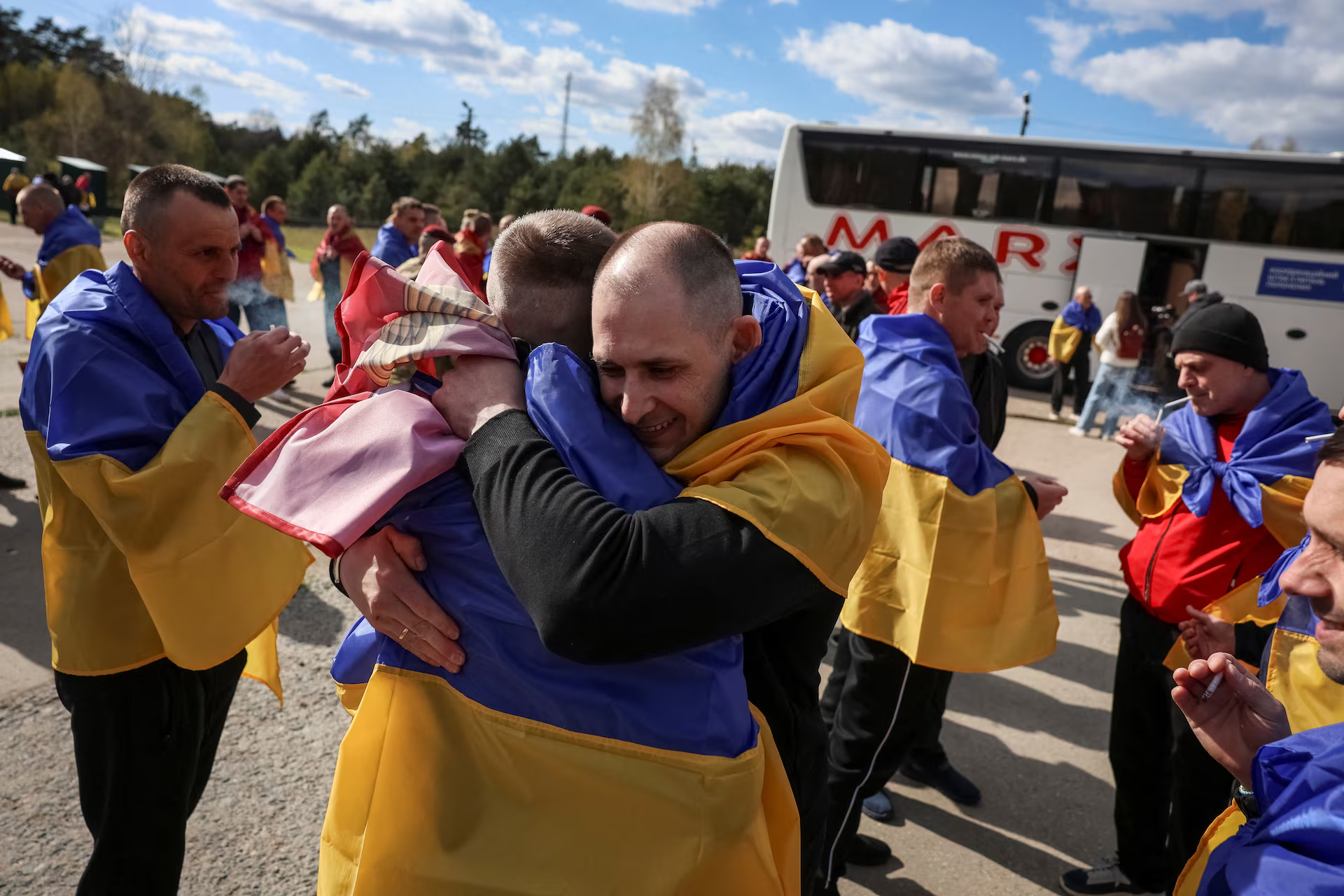
The families of the 193 soldiers who came home on April 24 are the ones for whom the larger picture recedes behind the single fact of a phone call received, a face seen again, a person who was somewhere unknown now standing on Ukrainian soil. For them, the 73rd exchange was everything. For the thousands still waiting, it was a reminder that the process exists, that it works when the conditions are right, and that the work is nowhere near finished.
Kai Tutor | The Societal News Team
Follow Us!
It helps decentralize our presence across the web and it's completely free!
Instagram ➤
Youtube ➤
Substack ➤
X.com ➤
Telegram ➤
TikTok ➤