Medicated America: More Chemically Altered Than Any People in History


A Nation Running on Chemicals

There has never been a population in the history of the human species as chemically saturated as Americans today. That is not hyperbole, it is the conclusion that follows naturally from the data, from the science, and from a clear-eyed look at the systems that govern what Americans eat, drink, breathe, and are prescribed. From the moment an American wakes up and brushes their teeth with fluoridated toothpaste, drinks a glass of tap water laced with pharmaceutical residue and agricultural runoff, eats a breakfast of ultra-processed food containing dozens of synthetic additives and preservatives, and swallows one or more of the four or more prescription medications that the average American, over 65 takes daily, the chemical assault on the American body is relentless, layered, and largely invisible.
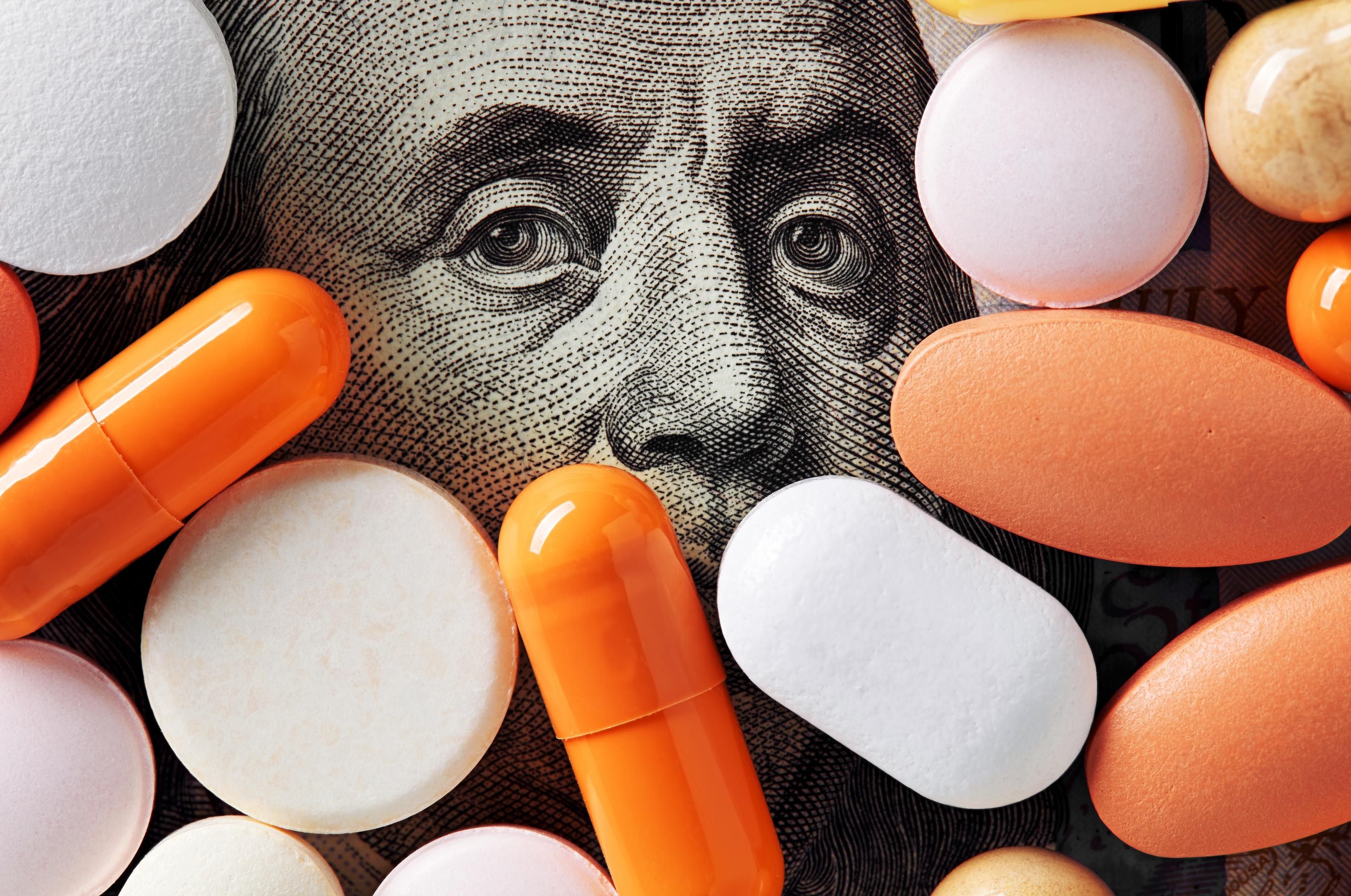
The United States consumes more prescription drugs per capita than any other nation on earth. It also allows more synthetic food additives, more pesticide residues on food, and more industrial chemicals in its water supply than most of the developed world. The result is a population that is, in a very literal sense, being chemically managed moods adjusted, hormones disrupted, gut bacteria altered, neurological development shaped, by an array of substances that no human population has ever before encountered at this scale, this concentration, or this duration.

This analysis is not an anti-medicine. Prescription drugs save lives, and antibiotics have personally saved my life.

Antibiotics, insulin, chemotherapy, antiretroviral therapies, the pharmaceutical achievements of the 20th century represent genuine triumphs of human ingenuity and have spared hundreds of millions of people from unnecessary suffering and death. The question I ask is different...

What happens to a society when the chemical management of human experience mood, attention, sleep, appetite, anxiety, pain, becomes the default response to conditions that may, at least in part, be caused or worsened by the chemical environment itself? And what happens when that chemical management extends far beyond the doctors and into every corner of the food supply, the water system, and the environment?

The Prescription Drug Explosion

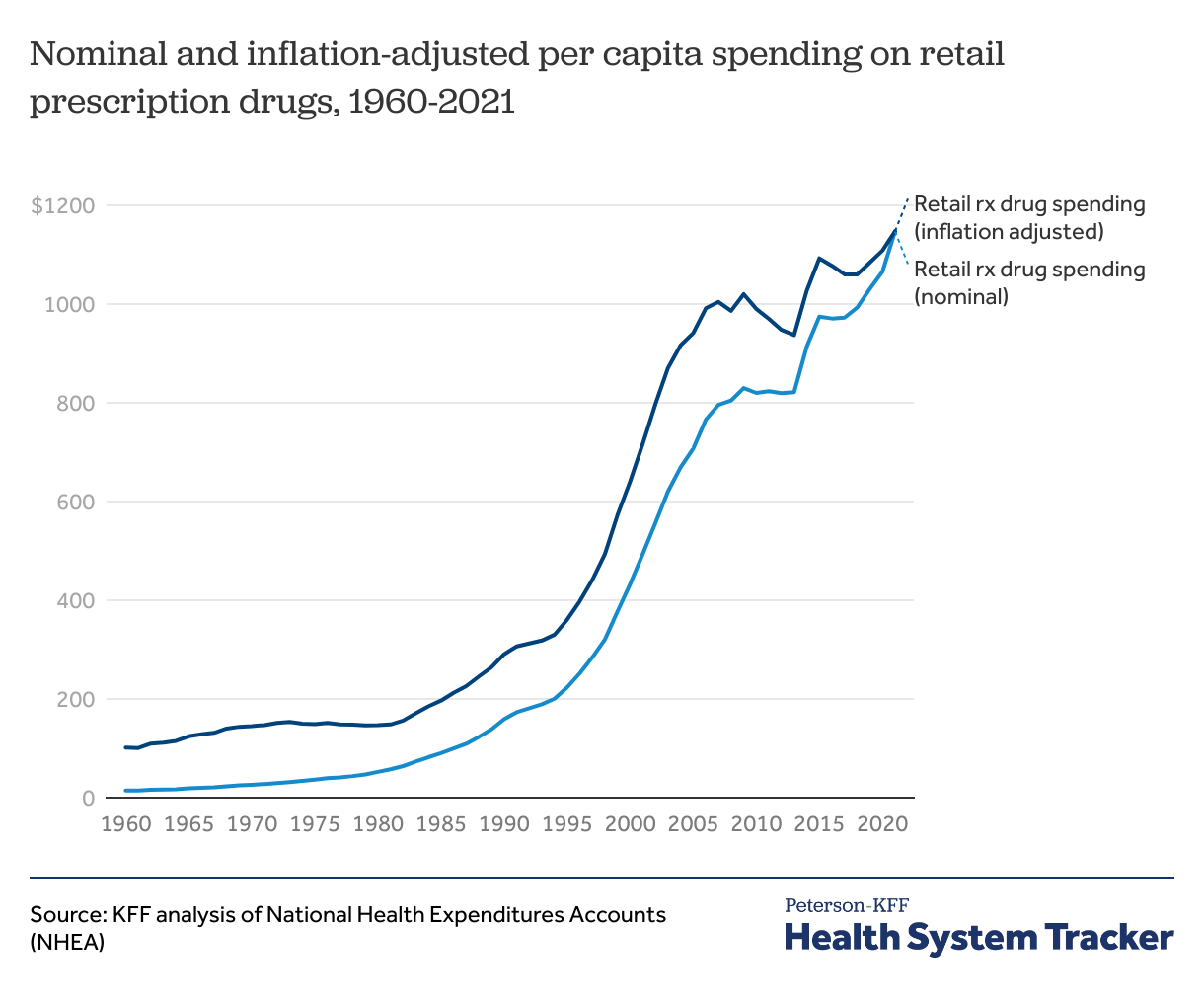
The scale of prescription drug use in America is staggering and has accelerated dramatically over the past four decades. According to data from the CDC, nearly half of all Americans, approximately 48.6 percent, took at least one prescription drug in the past 30 days as of the most recent national surveys. Among Americans over the age of 65, nearly 90 percent take at least one prescription drug, and more than a third take five or more simultaneously a practice known as polypharmacy, which carries its own serious risks of drug interaction and cumulative side effects.

The United States, which represents roughly 4 percent of the world's population, consumes approximately 75 percent of the world's prescription drugs. American spending on pharmaceuticals dwarfs that of every other nation, Americans spend more per capita on prescription drugs than citizens of any other country, nearly twice the spending of the next highest nation. The pharmaceutical industry is one of the most profitable sectors of the American economy, generating hundreds of billions of dollars in revenue annually, and it is among the most powerful lobbying forces in Washington.

Antidepressants and Psychiatric Medications

Nowhere is the pharmaceutical saturation of America more visible than in the domain of mental health medication. Antidepressants are now among the most commonly prescribed drugs in the United States. According to the CDC, approximately 13 percent of Americans aged 18 and older reported taking antidepressant medication in the previous month a figure that rises to over 24 percent among women in their 40s and 50s. The United States prescribes antidepressants at rates significantly higher than comparable developed nations.

The rise of antidepressant prescribing tracks closely with the introduction and aggressive marketing of selective serotonin reuptake inhibitors (SSRIs) beginning in the late 1980s with the launch of Prozac. What was initially positioned as a targeted treatment for clinical depression rapidly expanded, through pharmaceutical marketing, changes in prescribing guidelines, and the direct-to-consumer advertising that the United States (along with New Zealand) uniquely permits, into a treatment for a vast and ever-expanding range of conditions generalized anxiety, social anxiety, premenstrual syndrome, menopausal symptoms, chronic pain, and more.

The decision to expand antidepressant prescribing to this degree rested in significant part on the chemical imbalance theory of depression the idea that depression is caused by insufficient serotonin in the brain and that SSRIs correct this deficiency. This theory, while enormously influential in shaping public understanding of depression and in legitimizing pharmaceutical treatment, has been increasingly challenged by the scientific literature. A landmark 2022 review published in Molecular Psychiatry by researchers at University College London concluded that the evidence for a relationship between serotonin levels and depression is not convincing, and that the simplistic chemical imbalance narrative does not accurately represent the state of the science. This does not mean antidepressants don't work for many patients, the clinical evidence for their efficacy in moderate to severe depression is substantial, but it raises important questions about why they are prescribed at the extraordinary rates seen in the United States, and whether the pharmaceutical framing of emotional distress has displaced other explanatory frameworks and treatment approaches.

ADHD Medications and the Stimulant Surge

The diagnosis and pharmaceutical treatment of Attention Deficit Hyperactivity Disorder (ADHD) has followed a similar trajectory of dramatic and accelerating expansion. The United States diagnoses and medicates ADHD at rates that are without parallel in the world. Approximately 10 percent of American children have received an ADHD diagnosis, and the majority of those diagnosed receive stimulant medication, Adderall, Ritalin, Vyvanse, and their variants, as the primary or sole treatment.

The stimulants used to treat ADHD are Schedule II controlled substances, the same regulatory category as cocaine and methamphetamine, because of their high potential for abuse and dependence. Their use among American children has increased by hundreds of percent since the early 1990s. In some states and among certain demographics, rates of diagnosis and stimulant prescription approach 20 percent of children. Adult ADHD diagnosis and stimulant prescribing has accelerated even more rapidly, particularly in the years following the COVID-19 pandemic, when telehealth prescribing of controlled substances was substantially deregulated.

The cross-national comparisons are instructive. European nations, with comparable access to medical care and comparable educational and occupational stressors, diagnose and medicate ADHD at a fraction of the American rate. This disparity has prompted serious scientific debate about whether the American ADHD epidemic reflects a genuine difference in prevalence, perhaps driven by environmental factors including diet, screen exposure, and the chemical environment, or whether it reflects differences in diagnostic culture, pharmaceutical marketing practices, and the financial incentives embedded in the American healthcare system.

Opioids: The Most Devastating Chapter

The most catastrophic dimension of America's prescription drug crisis is the opioid epidemic, which has killed more than 500,000 Americans since 1999 and continues to claim approximately 80,000 lives per year. The epidemic was not an accident or an unforeseen tragedy. It was the predictable consequence of a deliberate pharmaceutical marketing campaign, most notoriously by Purdue Pharma, manufacturer of OxyContin, that falsely assured physicians and patients that extended-release opioids carried minimal risk of addiction, flooded the country with prescriptions, and created a vast population of physically dependent patients who, when prescriptions were eventually curtailed, turned to heroin and fentanyl to manage their withdrawal.

At the peak of opioid prescribing in 2012, American physicians wrote enough opioid prescriptions to supply every American adult with a bottle of pills. The normalization of opioid prescribing for chronic non-cancer pain, back pain, joint pain, headache, represented a fundamental transformation of medical culture driven substantially by pharmaceutical industry influence over medical education, research funding, and prescribing guidelines. The opioid epidemic is the most extreme example of what happens when the chemical management of human discomfort, in this case, pain, is pursued without adequate reckoning with the consequences.

GLP-1 Agonists and the New Pharmaceutical Frontier

The newest chapter in America's pharmaceutical story is the explosive rise of GLP-1 receptor agonists, drugs like semaglutide (Ozempic, Wegovy) and tirzepatide (Mounjaro, Zepbound), originally developed for type 2 diabetes management and now deployed at unprecedented scale as weight-loss medications. These drugs, which work by mimicking a gut hormone that regulates appetite and insulin secretion, have become cultural phenomena and economic juggernauts. Tens of millions of Americans are now taking or seeking these medications, and analysts project that GLP-1 drugs could become the highest-revenue pharmaceutical products in history.

The clinical data on GLP-1 drugs is genuinely impressive in terms of weight loss and cardiovascular outcomes. But the long-term consequences of decades of continuous use these are drugs intended to be taken indefinitely, since weight typically returns when they are stopped on gut motility, muscle mass, bone density, mental health, and other physiological systems are not yet known. A population that has never before taken these drugs is now doing so at mass scale, in an experiment whose full results will not be visible for decades. This is, in a very real sense, the situation with every wave of pharmaceutical expansion in American history and the opioid crisis should serve as a sobering reminder of what that can mean.

The Chemical Food Supply

The pharmaceutical dimension of America's chemical saturation is the most visible and the most discussed, but it is arguably not even the most pervasive. For the majority of Americans who take no prescription drugs at all, the body is still being exposed to a continuous and largely unregulated stream of synthetic chemicals through the food supply and for those who do take prescription drugs, these food-borne chemicals compound and interact with pharmaceutical exposures in ways that are poorly understood and almost entirely unstudied.

Ultra-Processed Foods and Their Chemical Architecture

Approximately 60 percent of the calories consumed by the average American come from ultra-processed foods a category defined not merely by the degree of processing but by the presence of substances not found in any home kitchen: industrial emulsifiers, synthetic flavor compounds, artificial colors, chemical preservatives, modified starches, and a vast array of additives designed to extend shelf life, enhance palatability, and optimize the sensory experience of eating in ways that maximize consumption.

The FDA's GRAS (Generally Recognized as Safe) system the regulatory framework that governs food additive safety is one of the least scrutinized and most industry-captured regulatory systems in the United States government. Under GRAS, a food additive can be deemed safe by the manufacturer itself, without independent FDA review, without long-term human safety studies, and without public disclosure. A 2010 study in the journal Reproductive Toxicology found that the vast majority of food additives approved under GRAS had never been subjected to published reproductive or developmental toxicity studies. There are currently more than 10,000 chemicals permitted in the American food supply, thousands of which are banned or heavily restricted in the European Union, Canada, Japan, and other developed nations.

Artificial Dyes and Behavioral Effects

The artificial food dyes that color American breakfast cereals, candies, sports drinks, and processed snacks Red 40, Yellow 5, Yellow 6, Blue 1, and others are among the most well-documented examples of food chemicals with neurological effects, particularly in children. A landmark 2007 study funded by the UK Food Standards Agency, published in The Lancet, found that mixtures of artificial food colors combined with sodium benzoate (a common preservative) significantly increased hyperactivity in children across the general population not just in children diagnosed with ADHD. The study was compelling enough that the European Union subsequently required warning labels on foods containing these dyes, stating that the product "may have an adverse effect on activity and attention in children." The UK Food Standards Agency recommended that manufacturers voluntarily remove these dyes, and most did.

In the United States, the FDA reviewed the same evidence and declined to require warning labels or restrict use. American children continue to consume these dyes in quantities that exceed those found harmful in the European studies, in a regulatory environment that places the burden of proving harm on the public rather than the burden of proving safety on the manufacturer. California passed legislation in 2023 requiring the removal of certain artificial dyes from school foods, one of the first meaningful state-level actions on this issue, but at the federal level, these dyes remain unrestricted.

Emulsifiers and the Gut Microbiome

Among the most troubling findings in recent food science research is the effect of common food emulsifiers, polysorbate 80 and carboxymethylcellulose, two of the most widely used emulsifiers in processed food, on the gut microbiome and intestinal lining. Research published in Nature in 2015 found that these emulsifiers, at concentrations equivalent to those found in processed foods, disrupted the gut microbiome of mice, promoted low-grade inflammation, and increased the incidence of metabolic syndrome and inflammatory bowel disease. Subsequent human studies have largely confirmed that habitual consumption of processed foods containing these emulsifiers is associated with markers of gut inflammation and microbiome disruption.

The gut microbiome and the vast community of bacteria, fungi, and other microorganisms that inhabit the human digestive tract is now understood to be a central regulator of immune function, metabolic health, and increasingly, neurological and psychiatric health through what scientists call the gut-brain axis. The idea that the mass consumption of emulsifiers, preservatives, and other synthetic food additives is systematically disrupting this ecosystem across an entire population with downstream consequences for rates of obesity, autoimmune disease, anxiety, depression, and other conditions is one of the most serious and underappreciated dimensions of the American food chemical crisis.

Pesticides in the Food Supply

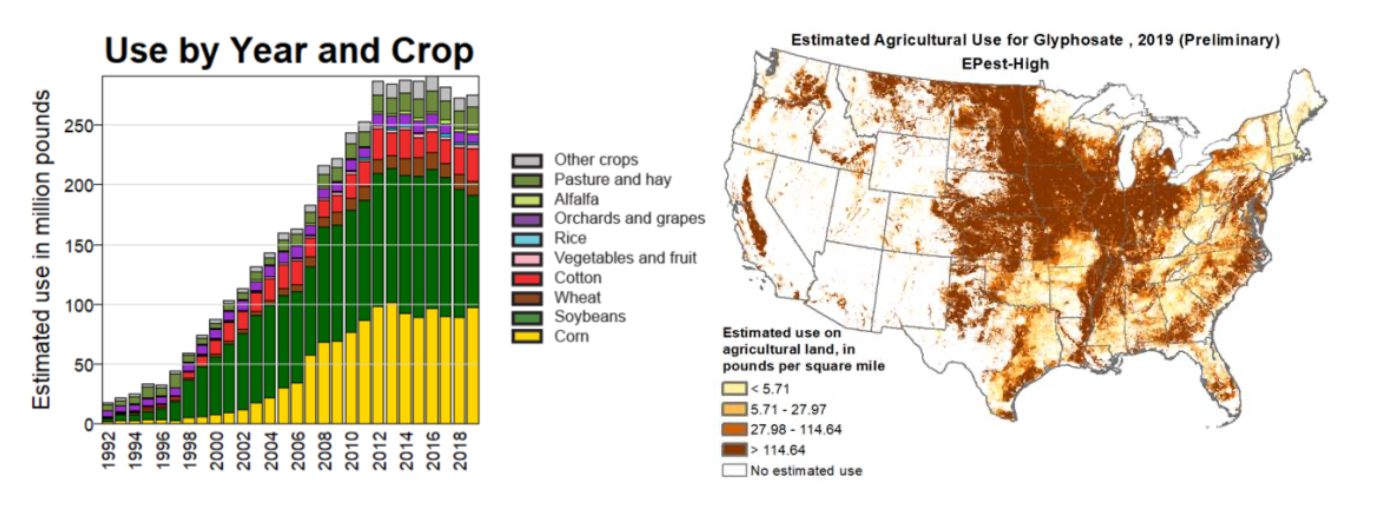
The pesticide burden in the American food supply is enormous and has grown substantially over the past three decades, driven primarily by the adoption of genetically modified crops engineered for herbicide tolerance and the corresponding explosion in herbicide use, particularly glyphosate, the active ingredient in Roundup.

Glyphosate is now the most widely used agricultural chemical in the history of the world. Approximately 300 million pounds are applied annually in the United States alone. Glyphosate and its breakdown products are detectable in the urine of the vast majority of Americans tested, in breast milk, in umbilical cord blood, in groundwater, and in a wide range of food products including oats, wheat, and legumes. The safety profile of glyphosate has been the subject of intense scientific and legal controversy. The International Agency for Research on Cancer (IARC), the cancer research arm of the World Health Organization, classified glyphosate as "probably carcinogenic to humans" in 2015. Bayer (which acquired Monsanto) has paid out more than $10 billion in legal settlements to plaintiffs who developed non-Hodgkin lymphoma following glyphosate exposure, while simultaneously maintaining that the chemical is safe when used as directed.

Beyond its potential carcinogenicity, glyphosate has been shown in laboratory research to disrupt the gut microbiome (it was originally patented as an antibiotic), to inhibit cytochrome P450 enzymes critical to the liver's detoxification of other chemicals, and to act as an endocrine disruptor at environmentally relevant concentrations. Whether these laboratory findings translate to clinically significant harm at the levels of human exposure is actively debated but that debate is occurring against a backdrop in which glyphosate exposure is essentially universal among Americans and has been for decades.

Beyond glyphosate, the USDA's pesticide residue testing program consistently finds detectable residues of multiple pesticides on the majority of fresh produce sold in the United States. A single strawberry can contain residues of more than twenty different pesticide compounds. The cumulative and synergistic effects of these cocktails of agricultural chemicals individually approved at levels deemed safe by regulators, but never tested in combination at the concentrations and combinations to which Americans are actually exposed remain largely unknown.

Hormones and Antibiotics in Meat and Dairy

The American meat and dairy supply is saturated with growth hormones and antibiotics to a degree that is unusual among developed nations. The use of synthetic growth hormones estradiol, progesterone, testosterone, and their synthetic analogues to accelerate the growth of beef cattle has been standard practice in the United States since the 1950s. The European Union banned hormone-treated beef imports from the United States in 1989, a ban that remains in place today after decades of trade disputes, citing concerns about the effects of residual hormones on human health particularly on hormonal development in children and adolescents.

The use of antibiotics in American livestock production is even more consequential at a public health scale. Approximately 70 to 80 percent of all antibiotics sold in the United States are used not in human medicine but in agricultural settings predominantly in the livestock industry, where they are administered not primarily to treat sick animals but to promote growth and prevent disease in the crowded, stressful conditions of industrial animal agriculture. This mass, low-dose antibiotic use is one of the primary drivers of antibiotic-resistant bacteria, a growing public health crisis that the WHO has identified as one of the greatest threats to global health and it means that antibiotic residues are a regular feature of the conventional American meat supply.


What Is in the Water

If the food supply represents a voluntary (if poorly informed) exposure to synthetic chemicals, the water supply represents a largely involuntary one. What Americans drink, bathe in, and cook with contains a growing inventory of chemical contaminants that range from the deliberately added to the industrially dumped to the pharmaceutically excreted and the regulatory systems designed to protect drinking water quality have, in many cases, failed to keep pace with the scale and complexity of the problem.

Fluoride: The Oldest Deliberate Chemical Addition

The fluoridation of public drinking water the deliberate addition of fluoride compounds to municipal water supplies to reduce tooth decay has been official US public health policy since 1945 and currently reaches approximately 73 percent of Americans served by public water systems. It is one of the most widespread examples of deliberate mass medication in human history: a psychoactive compound (fluoride affects neurological function) added to the water supply without the individual consent of those consuming it, at a dosage that cannot be controlled by the individual since water consumption varies widely.

The dental benefits of water fluoridation are real and well-documented at the population level, particularly for communities with limited access to dental care. But the safety debate around fluoride has grown substantially more complicated in recent years. A 2020 systematic review and meta-analysis published in Environment International, and a subsequent 2023 National Toxicology Program (NTP) systematic review, conducted by the US government's own toxicology research body, concluded that the available evidence suggests fluoride is a potential neurotoxicant at levels not dramatically higher than those used in water fluoridation, and that there is a consistent association between fluoride exposure and lower IQ scores in children across multiple studies, predominantly conducted in areas with higher natural fluoride levels but with some findings at or near fluoridation-relevant concentrations.

The NTP report was initially blocked from publication by officials at the Department of Health and Human Services an intervention that prompted significant controversy before eventually being released. In 2024, a federal judge in a lawsuit brought by environmental groups ruled that the EPA must take regulatory action on fluoride in drinking water based on the NTP findings, a ruling with potentially sweeping implications for public water policy. The fluoride debate encapsulates the central tension of this entire analysis: a chemical intervention with real public health benefits, pursued at mass scale and without individual consent, whose full risk profile was never comprehensively established before deployment and is still being actively contested decades later.

PFAS: Forever Chemicals in the Water Supply

Per- and polyfluoroalkyl substances known as PFAS, or colloquially as "forever chemicals" are a family of more than 12,000 synthetic compounds that have been used since the 1940s in a vast range of industrial and consumer applications: non-stick cookware, water-repellent clothing, food packaging, firefighting foam, stain-resistant carpets and upholstery, and much more. They are called forever chemicals because the carbon-fluorine bonds that give them their remarkable properties also make them essentially indestructible in the natural environment and in the human body, where they bioaccumulate over time.

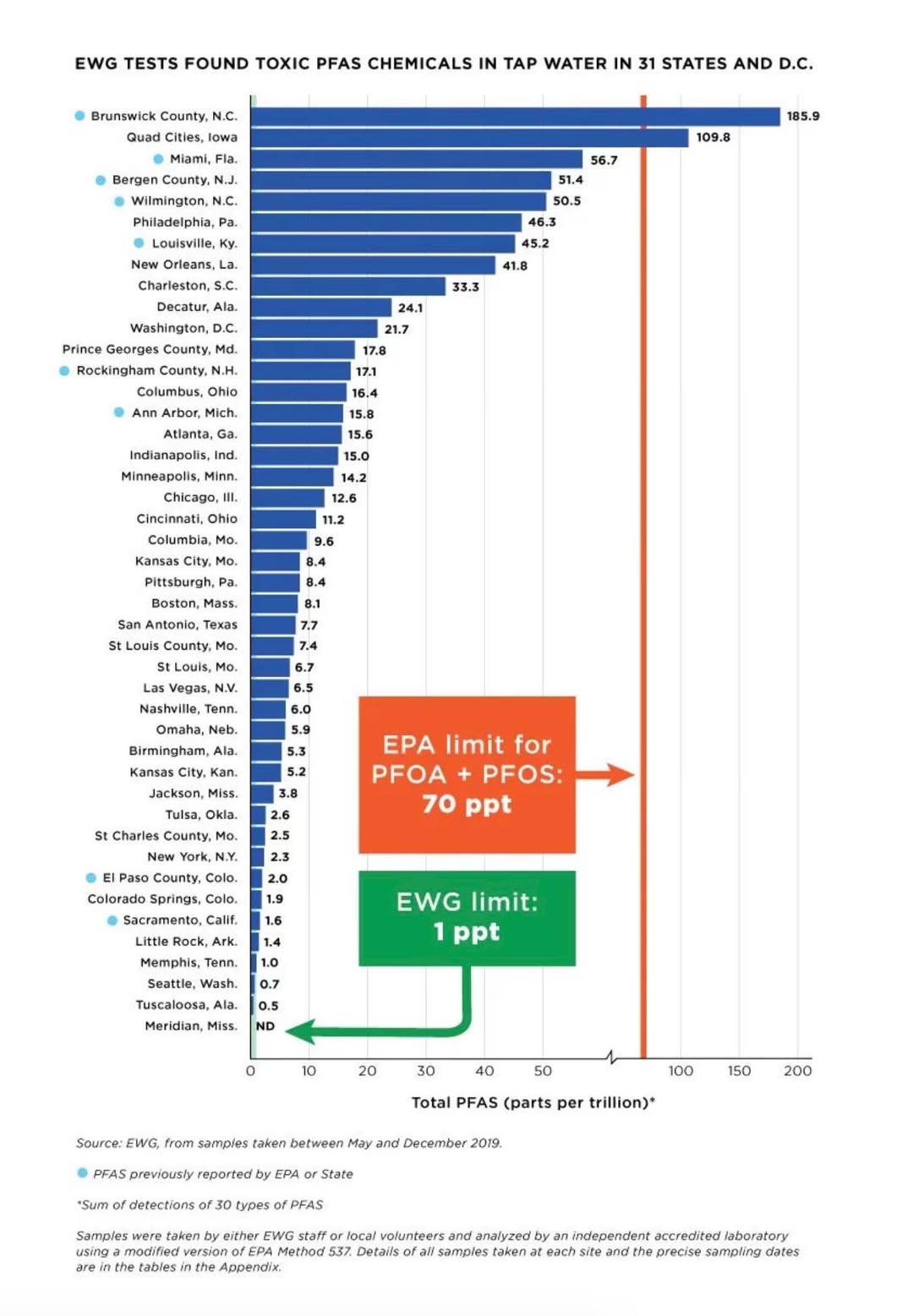
PFAS contamination of drinking water is now recognized as one of the most widespread environmental crises in American history. A 2023 survey by the US Geological Survey found detectable PFAS in approximately 45 percent of US tap water samples a figure that likely understates true prevalence given the limitations of detection methods and the vast number of PFAS compounds that are not routinely tested for. The EPA has set drinking water limits for several PFAS compounds at 4 parts per trillion a vanishingly small but toxicologically meaningful concentration and has estimated that tens of millions of Americans are drinking water that exceeds these limits.

The health effects associated with PFAS exposure are broad and serious: increased risk of certain cancers (kidney, testicular, thyroid), immune system suppression (including reduced vaccine efficacy), hormonal disruption, thyroid disease, elevated cholesterol, liver damage, and developmental effects in children including low birth weight and altered brain development. Because PFAS do not break down, every American alive today carries a body burden of these compounds, accumulated over a lifetime of exposure through water, food, cookware, food packaging, and other sources. The youngest generation of Americans born into an environment where PFAS contamination is ubiquitous has been exposed since before birth, through the placental transfer of maternal PFAS body burden.

Pharmaceutical Residues in Drinking Water

One of the less-discussed but deeply concerning dimensions of water contamination is the presence of pharmaceutical compounds in drinking water the residues of prescription drugs that pass through the human body, are excreted, and enter the water supply through wastewater systems that are not designed to remove them. Municipal wastewater treatment plants, which were engineered primarily to remove biological waste and conventional pollutants, are largely ineffective at removing pharmaceuticals.

Studies have detected a remarkable pharmacopeia in American waterways and tap water: antidepressants, anti-anxiety medications, beta-blockers, statins, synthetic hormones from oral contraceptives, antibiotics, anti-epileptics, and others. A landmark 2008 investigation by the Associated Press found detectable pharmaceuticals in the drinking water of 24 major American metropolitan areas, serving a combined population of over 40 million people. The concentrations are typically very low, parts per trillion or parts per billion, and do not represent acute toxicity risks. But the concept of safe chronic low-dose exposure to a cocktail of dozens of biologically active compounds, including drugs specifically designed to alter neurological, hormonal, and cardiovascular function, has not been adequately studied. Aquatic ecosystems have been profoundly affected, fish populations in rivers downstream from major population centers show widespread endocrine disruption and feminization from synthetic estrogen exposure, raising obvious questions about human health effects that regulators have been slow to address.

Agricultural Chemical Runoff: Atrazine and Nitrates

Atrazine is the second most widely used herbicide in the United States, applied primarily to corn fields at a rate of approximately 70 million pounds per year. It is also one of the most common contaminants of American groundwater and drinking water, detected in water supplies across the corn belt and beyond. Atrazine was banned by the European Union in 2004 based on its environmental persistence and its evidence as an endocrine disruptor.

The endocrine-disrupting properties of atrazine have been most vividly demonstrated by the work of UC Berkeley biologist Tyrone Hayes, who found that atrazine exposure at concentrations well below the EPA's drinking water limit caused chemical castration and feminization in male frogs including the induction of complete sex reversal in genetically male frogs. Hayes' research, and its implications for human hormonal health, generated enormous controversy, in part because Syngenta, the manufacturer of atrazine, conducted a sustained campaign to discredit his work and his person. Documents obtained through litigation revealed the extent of industry efforts to suppress and undermine independent research on atrazine's safety. Atrazine remains approved for use in the United States, and millions of Americans drink water containing its residues daily.

Nitrate contamination from agricultural fertilizer is another pervasive water quality issue with direct human health consequences. Elevated nitrate levels in drinking water are associated with methemoglobinemia (blue baby syndrome) in infants, and emerging research suggests associations with colorectal cancer, thyroid dysfunction, and other health effects at concentrations currently permitted under EPA standards. A 2019 study published in Environmental Health estimated that nitrate contamination of drinking water causes approximately 12,500 cases of colorectal cancer in the United States annually.

Endocrine Disruptors: The Invisible Hormonal Revolution

Threading through the food, water, and pharmaceutical dimensions of America's chemical saturation is a category of compounds that deserves particular attention: endocrine disruptors. These are synthetic chemicals that interfere with the hormonal signaling systems that regulate virtually every aspect of human physiology reproduction, metabolism, growth, mood, immune function, brain development, and more. They are ubiquitous in the American environment, and their effects operate at extraordinarily low concentrations, often showing non-linear dose-response relationships that confound standard toxicological testing methods.

The list of endocrine-disrupting compounds to which Americans are routinely exposed is lengthy: bisphenol A (BPA) and its replacement compounds (BPS, BPF) in food packaging and receipts; phthalates in plastics, personal care products, and food processing equipment; parabens in cosmetics and food preservatives; the synthetic estrogens from oral contraceptives in water; atrazine and other agricultural chemicals; PFAS; dioxins from industrial processes; polychlorinated biphenyls (PCBs), banned decades ago but still present in the environment and the food chain; and many others.

The endocrine system did not evolve to handle synthetic chemical inputs, and the consequences of its disruption are wide-ranging. Reproductive health trends in the United States over the past half-century track with the timeline of endocrine disruptor proliferation in troubling ways. Average sperm counts in Western men have declined by more than 50 percent since 1973, according to a comprehensive 2017 meta-analysis in Human Reproduction Update, with the decline accelerating in recent years. The age of puberty onset in American girls has decreased significantly over the same period. Rates of endometriosis, polycystic ovarian syndrome, testicular dysgenesis syndrome, and other reproductive disorders have increased. Rates of thyroid disease have risen. Childhood obesity and type 2 diabetes, both closely linked to hormonal disruption of metabolic regulation, have reached epidemic proportions.

No single chemical can be blamed for these trends, and teasing apart the contributions of endocrine disruptors from those of diet, sedentary behavior, sleep disruption, stress, and other factors is genuinely difficult. But the scientific consensus, reflected in reports from the Endocrine Society, the WHO, and UNEP, is that endocrine-disrupting chemicals are a significant contributor to the deterioration of reproductive and metabolic health in industrialized nations, and that the current regulatory approach, which evaluates chemicals one at a time at high doses, is fundamentally inadequate for capturing the effects of low-dose, mixture exposures experienced in real life.


The Regulatory Failure at the Heart of the Crisis

Understanding how America arrived at this state of chemical saturation requires understanding the regulatory philosophy that governs the approval and oversight of drugs, food chemicals, agricultural chemicals, and industrial pollutants in the United States a philosophy that differs in fundamental ways from the approach taken by most other developed nations.

In the European Union, the precautionary principle governs chemical regulation: a new substance must be demonstrated to be safe before it is permitted for widespread use, and in the face of scientific uncertainty about safety, the default position is restriction rather than permission. In the United States, the operative principle has historically been the opposite: substances are presumed safe until demonstrated to be harmful, and the burden of proving harm falls on regulators and the public rather than on manufacturers. The result is a regulatory system that is systematically slower to restrict harmful substances, more susceptible to industry influence over the evidence base, and more likely to permit widespread population exposure to chemicals whose full safety profile has not been established.

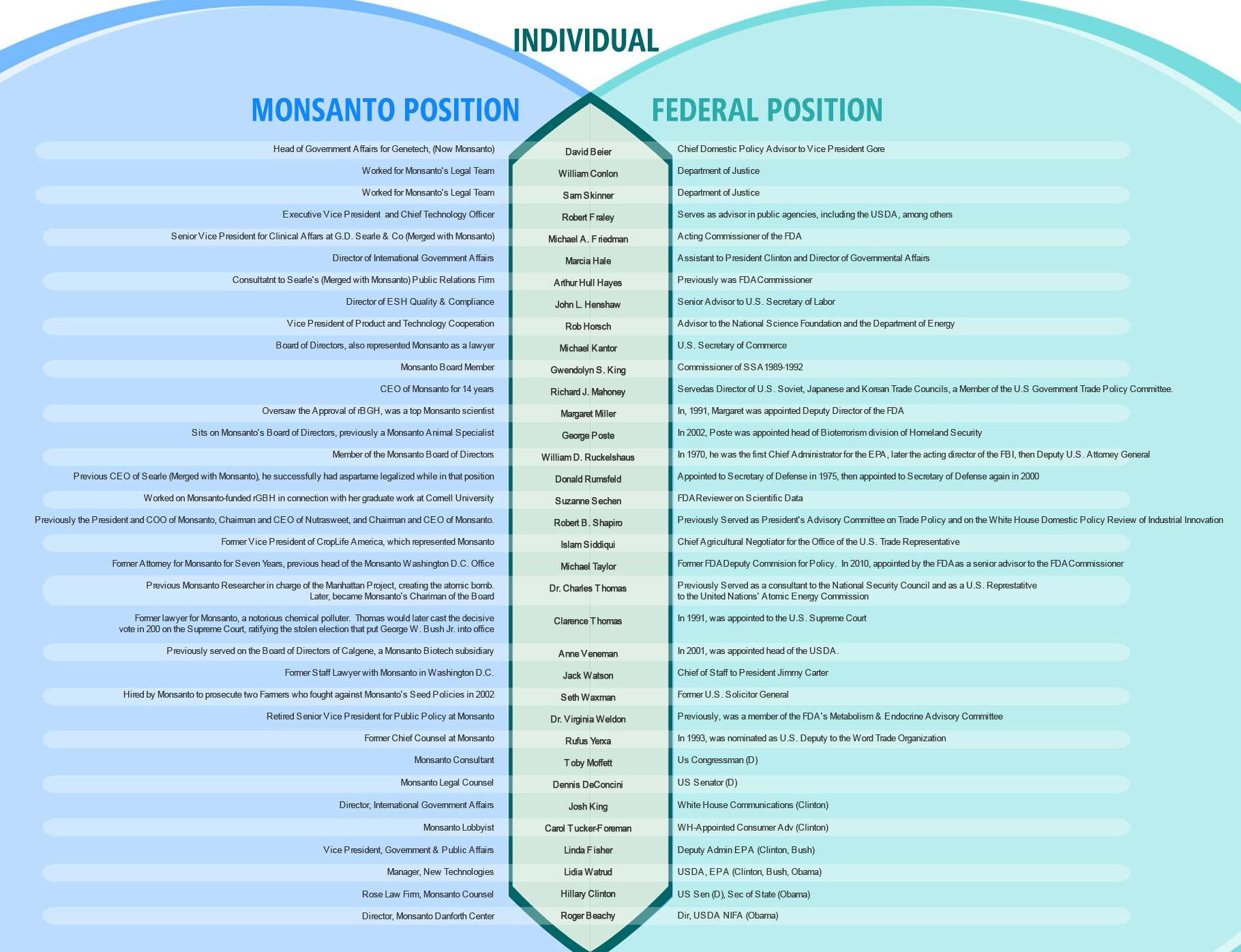
This dynamic is reinforced by the extraordinary power of industry lobbying in Washington. The pharmaceutical industry, the agricultural chemical industry, the food processing industry, and the petrochemical industry collectively spend hundreds of millions of dollars annually influencing federal regulatory agencies, congressional legislation, and the research agenda of the academic institutions whose scientific output shapes regulatory decision-making. The revolving door between industry and regulatory agencies the movement of personnel between the FDA, EPA, and USDA on one hand and the industries they regulate on the other, is well-documented and creates structural conflicts of interest that compromise independent oversight.

The result is a system in which the American people function, in effect, as the test population for the long-term safety of thousands of synthetic chemicals that were never adequately tested before being deployed at mass scale. The long latency periods between chemical exposure and the development of cancer, reproductive failure, neurological disease, and other chronic conditions often measured in decades, mean that harms may not become visible until an entire generation has been exposed, and by the time the evidence accumulates sufficiently to overcome regulatory and industry resistance, the damage is already done.


The Mental Health Paradox

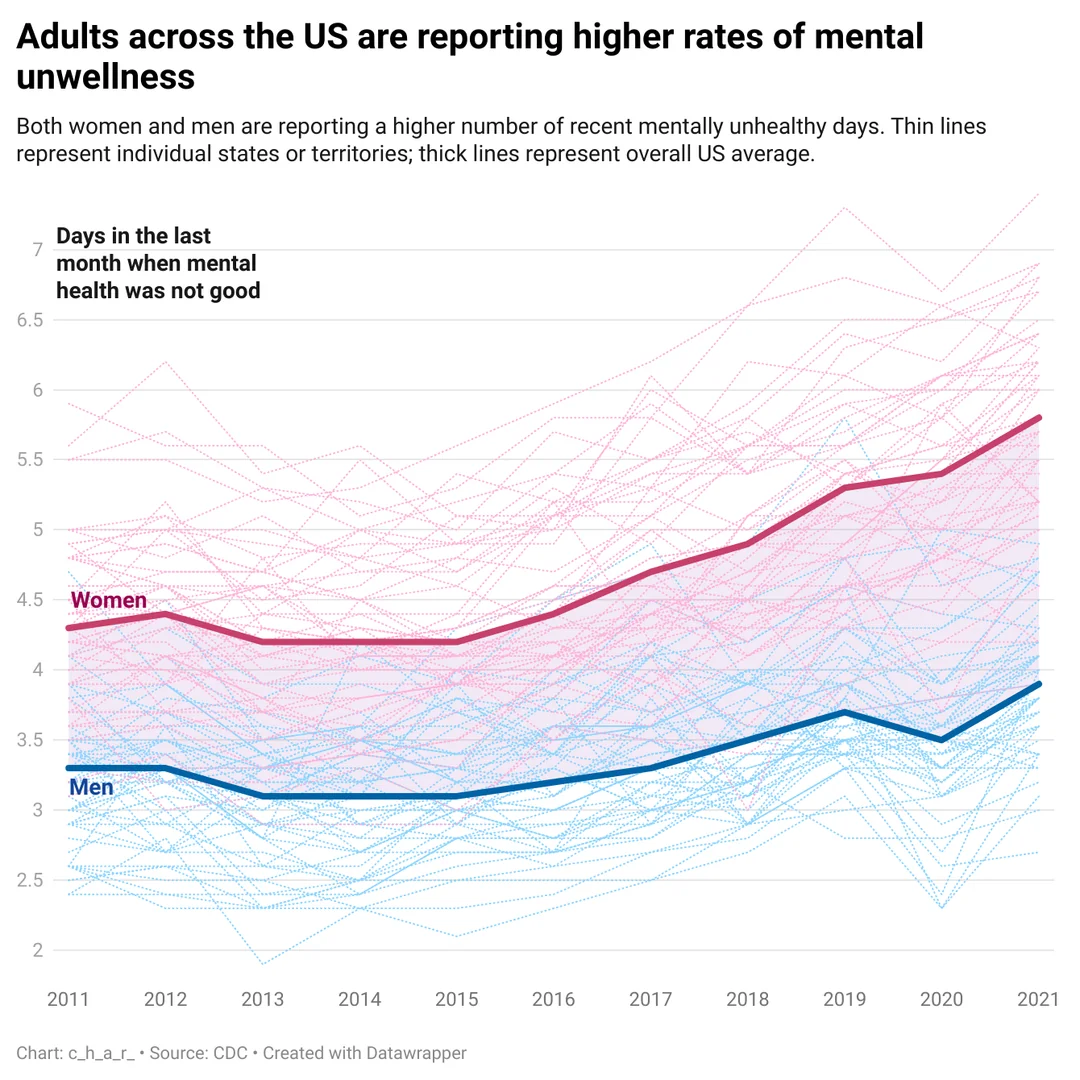
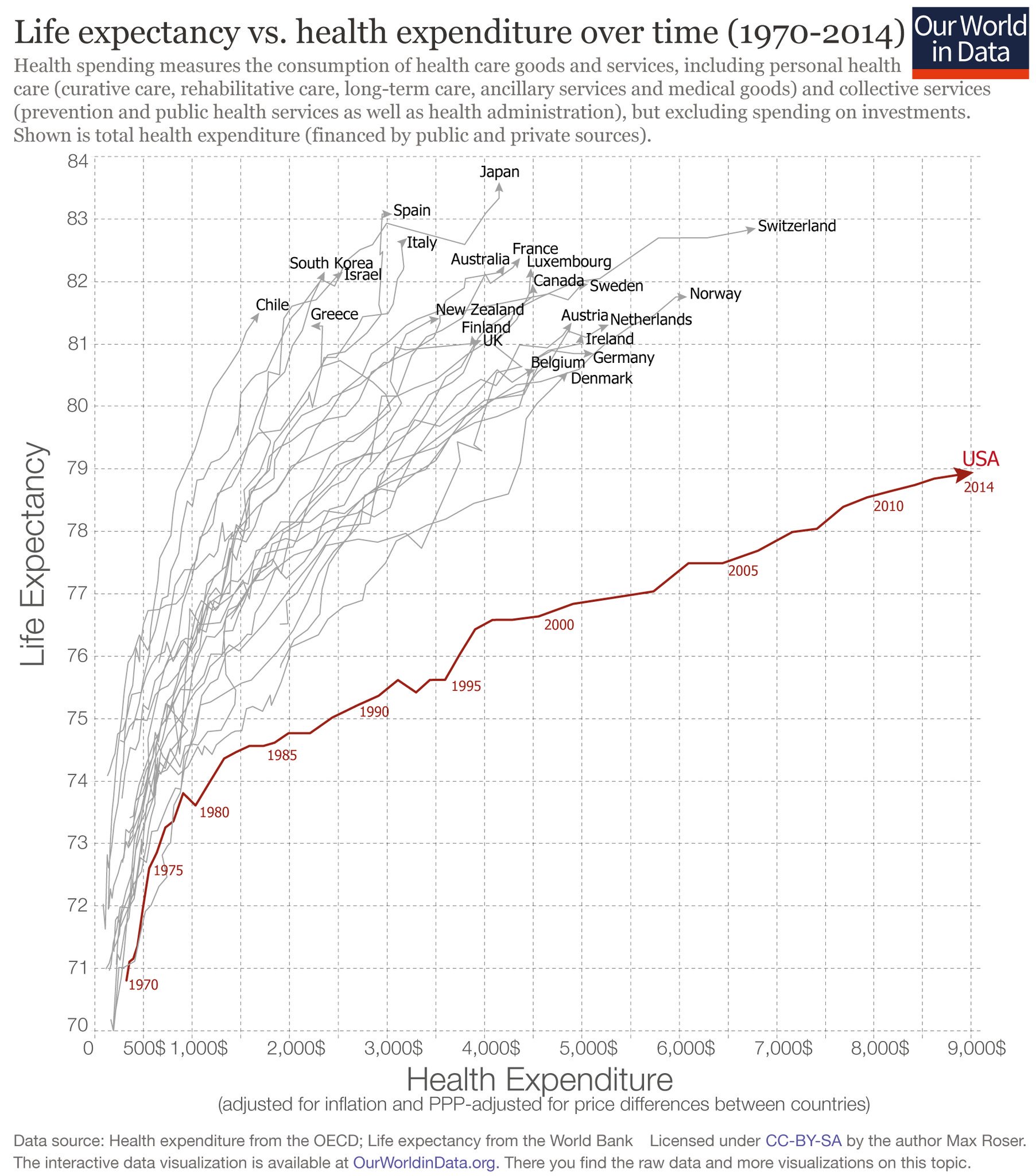
Perhaps the most striking paradox of the most medicated nation in human history is this: despite consuming more psychiatric medication per capita than any other population, Americans report dramatically worsening mental health outcomes. Rates of depression, anxiety, loneliness, suicide, and despair have increased continuously over the period of greatest pharmaceutical expansion. The United States has the highest rate of antidepressant use in the developed world and also one of the highest rates of depression and anxiety. Something is not working.

The pharmaceutical model of mental health which attributes emotional suffering primarily to neurochemical imbalances correctable by drugs has not delivered the improvements in population mental health that were promised when SSRIs were introduced. This is not an argument against using medication for mental illness, which benefits many individuals significantly. It is an observation that medicating the individual does not address the conditions that make people ill in the first place: social isolation, economic precarity, loss of meaning, the collapse of community, digital technology's effect on attention and social comparison, sleep deprivation, poor diet, physical inactivity, and the chemical environment itself.

There is even emerging evidence that some of the chemicals to which Americans are most heavily exposed may themselves contribute to the mental health crisis. Phthalates and BPA have been associated with anxiety and depression in epidemiological studies. PFAS exposure has been linked to depression and other psychiatric symptoms. Glyphosate disrupts tryptophan metabolism the amino acid pathway from which serotonin is synthesized. Pesticide exposure is associated with neurological and psychiatric symptoms in agricultural workers. The possibility that the chemical environment is itself a driver of the mental health epidemic and that psychiatric medication is being used to manage symptoms partly caused by other chemicals, is one of the most uncomfortable and underexplored dimensions of this entire picture.

Children: The Most Vulnerable Population

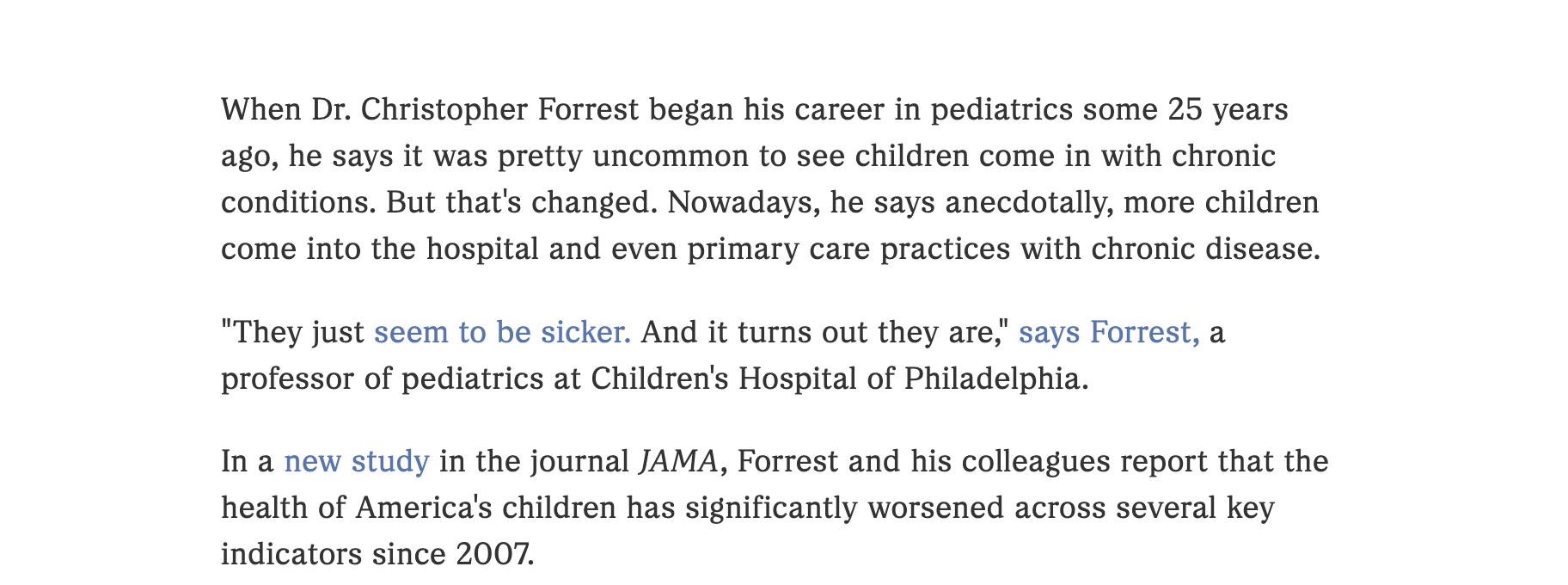
Every dimension of America's chemical crisis falls most heavily on children, for reasons that are both biological and social. Children eat more food relative to their body weight than adults, drink more water relative to their body weight, breathe more air relative to their body weight, and have developing organ systems, particularly the brain, that are uniquely vulnerable to chemical disruption during critical windows of development. A chemical exposure that produces no measurable effect in an adult can produce permanent neurological or developmental damage in a fetus, an infant, or a young child.

American children are, by any reasonable measure, the most chemically exposed children in human history. They are born with detectable levels of hundreds of synthetic chemicals in their umbilical cord blood including PFAS, pesticides, phthalates, flame retardants, and PCBs, before they take their first breath. They consume diets consisting largely of ultra-processed foods colored with synthetic dyes, preserved with antimicrobials, and flavored with synthetic compounds. They drink water containing PFAS, nitrates, atrazine, and pharmaceutical residues. They are prescribed stimulants and antidepressants at rates without historical precedent.

The trends in pediatric health in the United States over the past several decades are alarming and poorly explained by genetic factors alone, since genetic change occurs too slowly to account for them. Rates of autism spectrum disorder have increased from approximately 1 in 150 children in 2000 to 1 in 36 in 2023, according to CDC surveillance data. Rates of childhood cancer have increased. Rates of childhood obesity, type 2 diabetes, and fatty liver disease have increased dramatically. Rates of early puberty have increased. Rates of food allergy have increased. Rates of ADHD have increased. The causes of these trends are complex and contested, but the epidemiological fingerprint points toward environmental factors, including the chemical environment, as major contributors, and the timeline of most of these increases tracks the post-World War II explosion in synthetic chemical production and deployment.

A Historical Perspective: No People Have Ever Lived Like This

It is worth pausing to appreciate the historical novelty of the situation. For the entirety of human prehistory and recorded history, approximately 300,000 years of Homo sapiens, the chemical environment of the human body consisted of naturally occurring compounds: foods, medicinal plants, fermented beverages, smoke, naturally occurring mineral compounds in water, and the products of the body's own biochemistry. The deliberate alteration of consciousness or physiology through chemical means was largely limited to plant-derived psychoactive and medicinal substances, used episodically and in specific cultural contexts.

The industrial chemical revolution of the 20th century changed this in a way that has no parallel in human evolutionary history. In less than a single century, the human body went from encountering a relatively small number of naturally occurring chemical compounds to being immersed in a sea of thousands of novel synthetic molecules molecules that the human genome, shaped by millions of years of evolution in a very different chemical environment, has no specific adaptive mechanisms to handle. The liver's detoxification systems, the endocrine system's signaling mechanisms, the immune system's pattern recognition all of these evolved in response to natural chemical environments, and all of them are being stressed by novel synthetic compounds in ways they were never designed to manage.

The scale of synthetic chemical production has grown exponentially. Global production of synthetic chemicals increased from approximately 1 million tons per year in 1930 to more than 400 million tons per year today. More than 350,000 synthetic chemicals and chemical mixtures have been registered for use globally, the vast majority of which have never been subjected to comprehensive safety testing, and the effects of which in the combinations to which humans are actually exposed are almost entirely unknown. Americans, by virtue of living in the wealthiest consumer economy in the world with the largest and most aggressive food, pharmaceutical, and petrochemical industries, are exposed to this chemical burden at its most intense.

What This Means and What Comes Next

The picture that emerges from this analysis is not a comfortable one. Americans are being chemically managed their moods, attention, appetites, hormones, and gut microbiomes continuously altered by a combination of prescription pharmaceuticals, food additives, agricultural chemicals, and water contaminants that is unprecedented in human history. The systems that were supposed to ensure that this chemical saturation is safe the FDA, the EPA, the USDA, the academic research establishment, have been compromised, underfunded, captured, and in some cases deliberately manipulated by the industries whose products they are supposed to regulate.

The health consequences are becoming visible in the epidemiological data: declining sperm counts, rising rates of chronic disease, a mental health crisis that worsens despite record medication use, developmental and neurological trends in children that have no adequate genetic explanation. The full consequences of this chemical experiment, conducted on an entire population without consent, without controls, and without adequate monitoring, will not be known for decades.

None of this means that all medication is bad, that all food additives are dangerous, or that the chemical revolution of the 20th century has been without benefit. Modern medicine has extended and improved human life in ways that are genuinely extraordinary. The question is not whether chemistry has a place in human life, it always has and always will, but whether the scale, the lack of oversight, the conflicts of interest, and the fundamental disregard for the precautionary principle that characterize the current situation are compatible with a society that takes seriously its obligations to the health of its people, and particularly to the children who will inherit the long-term consequences of decisions being made today.

Growing awareness of these issues driven by independent researchers, investigative journalists, and a public that is increasingly skeptical of institutional assurances of safety is beginning to produce political pressure for change. Bans on certain food dyes in school foods, new EPA limits on PFAS in drinking water, lawsuits that have forced accountability on pharmaceutical manufacturers, and a broader cultural conversation about food quality and chemical exposure all represent the early stages of a reckoning that is long overdue. Whether that reckoning will prove adequate to the scale of the problem is one of the defining public health questions of the coming decades.

What is not in question is this: no people in the history of the world have been as chemically altered as Americans today. Whether that distinction is a triumph of modern medicine or a warning sign of a profound and ongoing public health crisis or, most likely, both at once is a question that every American has a stake in answering.


Kai Tutor | The Societal News Team

Follow Us!
It helps decentralize our presence across the web and it's completely free!
Instagram ➪
Youtube ➪
Substack ➪
X.com ➪
Telegram ➪
TikTok ➪

Latest Societal Drop