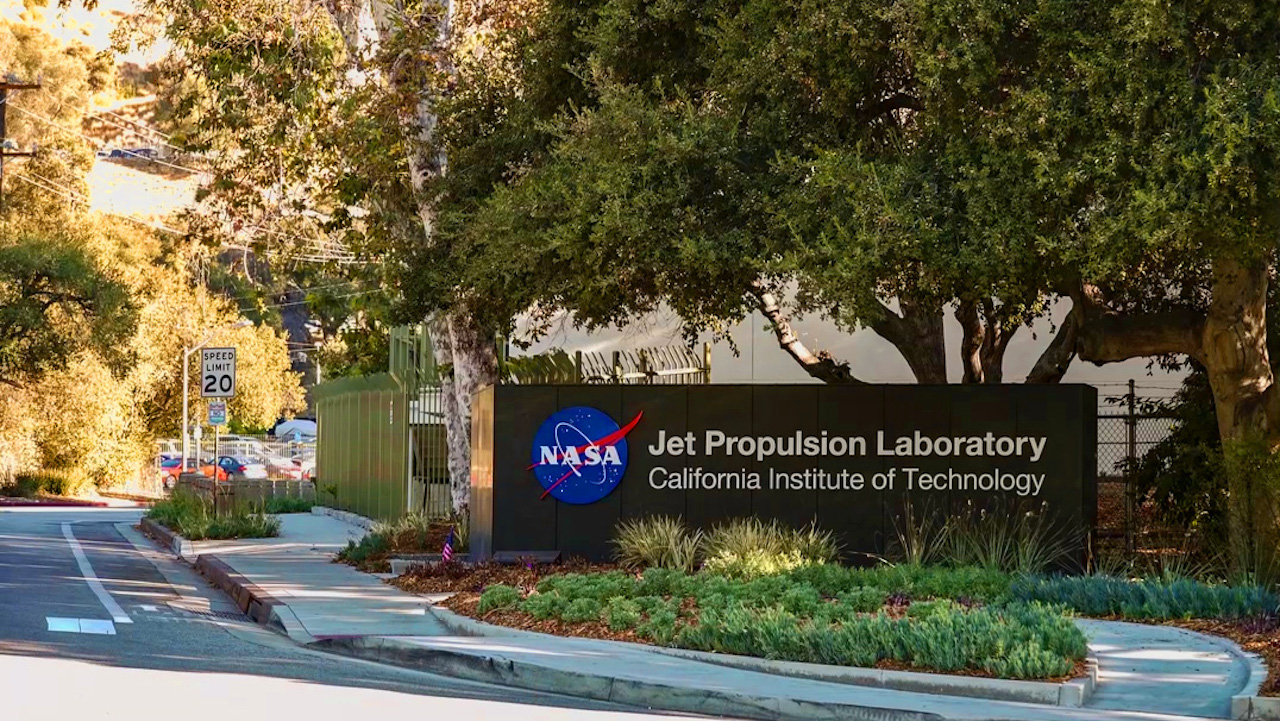
Antarctica: U.S. Bases, Billions in Spending, Secret Theories, and the Truth Behind the Ice
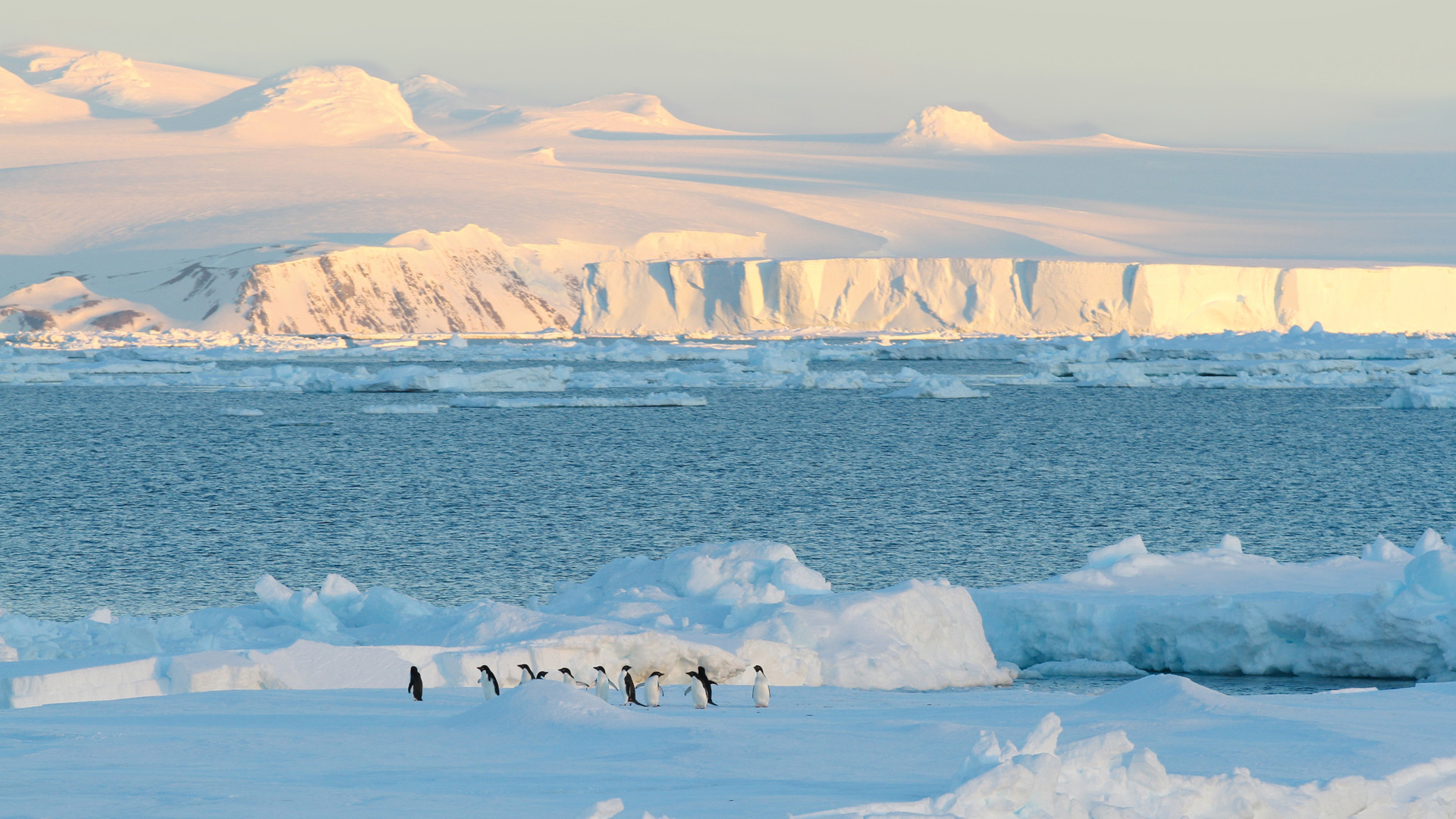
The Frozen Frontier
Antarctica is the coldest, most remote, and least understood continent on Earth. It has no permanent civilian population, no government, and no economy, yet more than 50 nations have signed binding treaties to govern it, dozens of countries maintain research stations there, and the United States alone spends hundreds of millions of dollars every year to keep a presence on the ice.
So what is actually going on down there? And why does it capture so much imagination and suspicion?
This piece covers all of it: the US military presence and what it actually does, how much money is being spent, what scientists are studying and why they have to live there, which other countries have stations and what they spend, what the rules around travel really are, and the conspiracy theories that swirl around the continent, along with the evidence that counters them.
The U.S. Military in Antarctica: Operation Deep Freeze
The United States does not have a traditional military base in Antarctica in the way it has bases in Germany or Japan. There are no fighter jets, no troops in combat gear, no missile systems. What there is, is a significant military logistical operation that has been running continuously since the 1950s.
Operation Deep Freeze is the umbrella name for all US military missions in Antarctica. It began with Operation Deep Freeze I in 1955 to 1956, which established the first permanent US research station, McMurdo Station, on Ross Island. The operation has continued without interruption ever since, primarily tasked with resupplying US Antarctic bases with fuel, food, equipment, and personnel.
The US maintains three permanent year-round stations in Antarctica:
- McMurdo Station The largest research station on the entire continent. Located on the southern tip of Ross Island, it serves as the main logistics hub for the entire US Antarctic Program. During summer months it can house up to 1,200 people, dropping to around 300 in winter. It includes a harbor, airfields, and around 85 buildings.
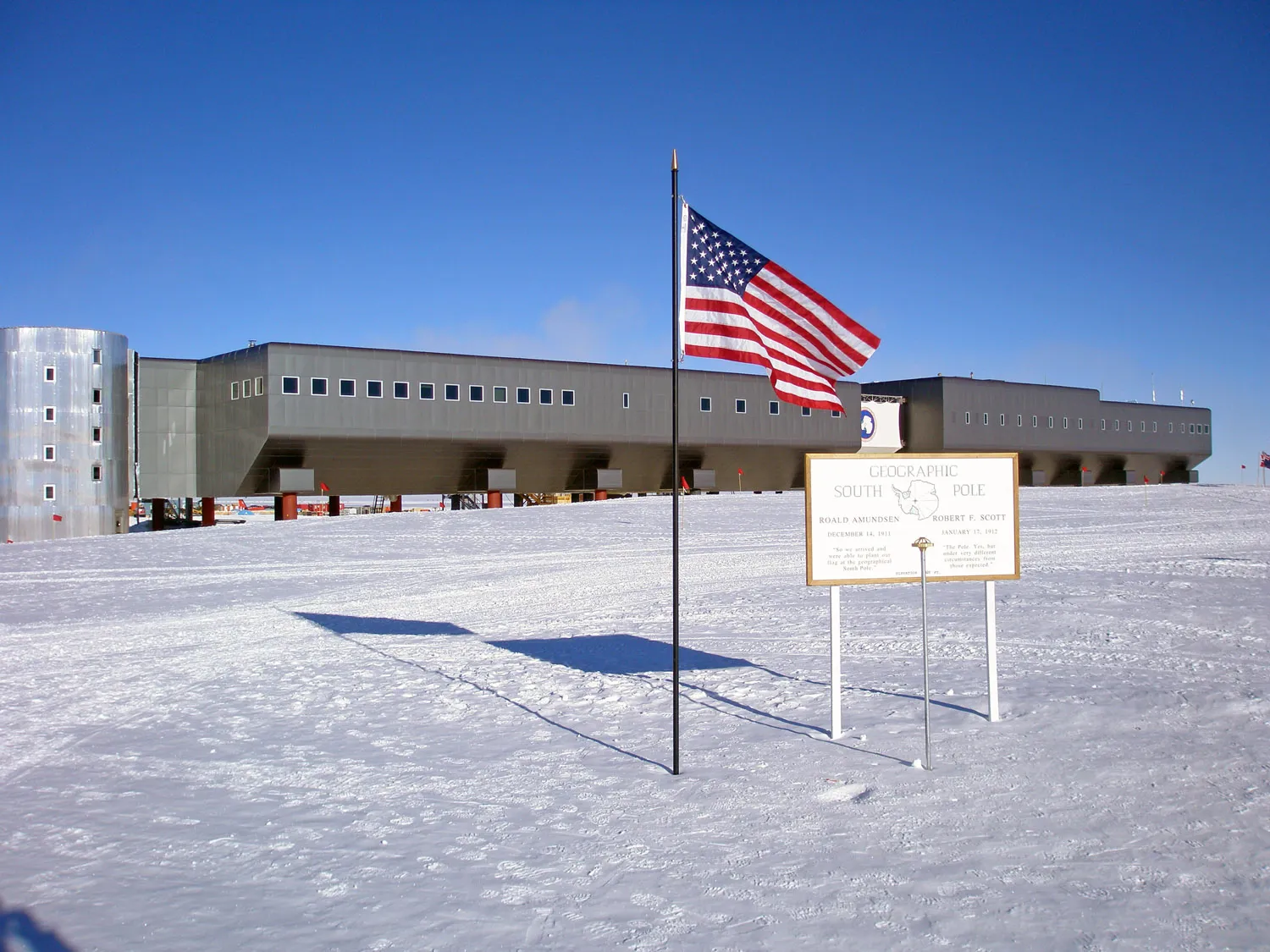
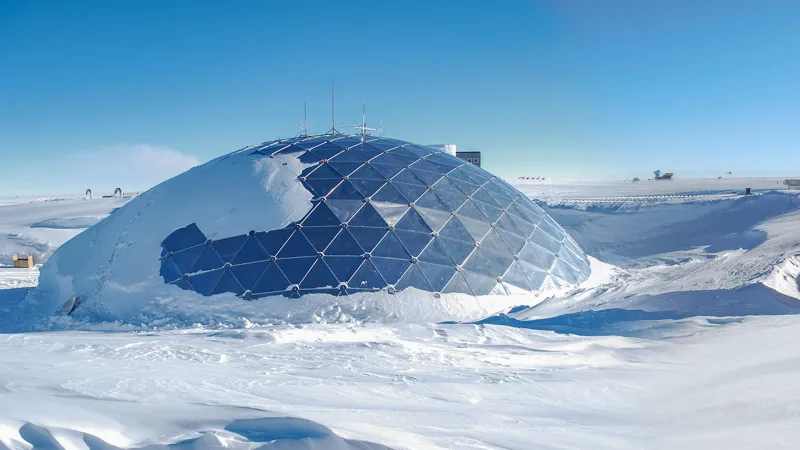
- Amundsen-Scott South Pole Station Positioned directly at the geographic South Pole, this station is critical for astrophysical and atmospheric research. It is arguably the most extreme permanent human habitation on Earth.
- Palmer Station Located on Anvers Island near the Antarctic Peninsula, this smaller station focuses on marine biology and oceanographic research in one of the most biologically rich coastal environments on the continent.
The military's role today is almost entirely logistical and support-based. The US Military Sealift Command ships deliver roughly 8 million gallons of fuel and 11 million pounds of supplies to McMurdo each year. Military personnel handle construction and maintenance, transportation, search and rescue, and environmental compliance monitoring.
It is against international law, specifically the Antarctic Treaty of 1961, to conduct military activity on the continent. Military personnel and equipment may only be used for scientific research or peaceful purposes. Nuclear weapons and nuclear testing are absolutely prohibited south of 60°S latitude.
How Much Does the U.S. Spend on Antarctica?
The US Antarctic Program (USAP) is managed by the National Science Foundation (NSF) through its Office of Polar Programs. The annual budget covers both Arctic and Antarctic programs, with the majority directed toward Antarctica:
- FY 2024: Congress authorized up to $680 million for polar research and operations support.
- FY 2025: The Biden administration requested approximately $621 million across all NSF polar accounts.
- FY 2026: The Trump administration proposed capping polar spending at $500 million, a roughly 26% cut from FY2024, while also proposing to slash the NSF's overall budget by 55%. This resulted in significant staff layoffs, cancelled science projects, and the decommissioning of the program's only research icebreaker vessel.
Of the total budget, approximately 60% goes toward logistics and infrastructure, keeping the stations running, fueled, and staffed. The remaining 40% funds the actual science. Getting a gallon of fuel to the South Pole costs vastly more than getting one to a gas station in Ohio.
These cuts are not happening in a vacuum. As the US retreats financially, China and Russia are doing the opposite, aggressively expanding their Antarctic infrastructure. Experts warn this shift carries real long-term geopolitical consequences.
What Is the Research? What Are They Actually Studying?
Antarctica is not just a place scientists go because it is interesting. It is, in many cases, the only place on Earth where certain kinds of research can be done.
Climate Science and Ice Cores
The Antarctic ice sheet holds a frozen record of Earth's atmosphere stretching back over 800,000 years. Ice cores drilled from the continent contain trapped air bubbles that preserve ancient samples of the atmosphere, allowing scientists to measure CO2 levels, methane concentrations, and temperature proxies going back nearly a million years. This is the most detailed climate archive on the planet and is irreplaceable.
Glacier and Sea Level Research
Antarctica holds about 90% of the world's fresh water locked in ice. The fate of that ice directly determines future sea levels for every coastal city on Earth. Thwaites Glacier, sometimes called the "doomsday glacier," is one of the most closely monitored features on Earth. Its destabilization could eventually raise global sea levels by several feet. Monitoring it requires physically being there, because the surrounding sea ice is so thick that only specialized icebreakers can reach it.
Astronomy and Astrophysics
The South Pole is one of the best places on Earth to observe the universe. The extremely dry, cold air, with almost no water vapor, allows telescopes to see in wavelengths blocked almost everywhere else. The IceCube Neutrino Observatory, a cubic-kilometer detector built beneath the ice, is the world's largest high-energy neutrino detector and has produced groundbreaking discoveries in astrophysics. It simply could not exist anywhere else.
Atmospheric and Ozone Research
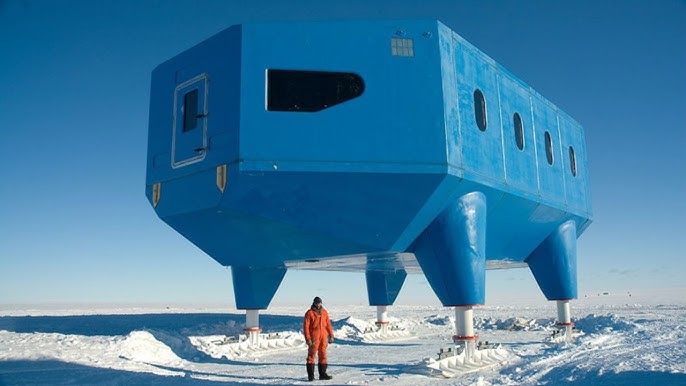
The Antarctic ozone hole was discovered in 1985 by British scientists at Halley Research Station. That single discovery led directly to the Montreal Protocol, an international treaty that phased out chlorofluorocarbons and is considered one of the most successful environmental agreements in history. This monitoring continues today and requires year-round, on-site measurement.
Marine Biology and Ecosystem Research
The Southern Ocean surrounding Antarctica is one of the most biologically rich environments on Earth. Understanding how krill populations and ocean currents are changing under climate pressure has global implications for fisheries and marine ecosystems. Palmer Station exists specifically because of its proximity to this ecosystem.
Space Exploration Technology
NASA has used Antarctica as an analog environment for space exploration for decades. The IceFin underwater robot, developed to explore beneath Antarctic ice shelves, is also being tested as a potential tool to explore the ice-covered oceans of Europa, one of Jupiter's moons, where NASA believes liquid water may exist.
Why Do Scientists Have to Live There?
This is one of the most reasonable questions people ask, and the honest answer is: for some research, yes, they can collect samples and leave. For most of it, no.
Continuous Monitoring Requires Continuous Presence
Climate change research depends on long-term data records. A single temperature reading or ice measurement is nearly meaningless on its own. What matters is decades of consistent, comparable observations from the same location under the same conditions. Some instruments at McMurdo have been running continuously since the 1960s.
Winter Is When the Most Important Changes Happen
Antarctica's winter is the fastest-changing season under global warming, yet it is also the hardest and most dangerous time to do fieldwork. Without people there in winter, whole seasons of data simply go missing from the record.
The Environment Itself Is the Laboratory
Experiments like the IceCube Neutrino Observatory cannot be packed up and taken home. They are built into the Antarctic ice sheet. Certain wildlife studies require the specific conditions of Antarctic fast ice. Some research, like studying living ecosystems or real-time ice-ocean dynamics, simply cannot be done remotely.
Logistics Make Quick Trips Extremely Inefficient
Getting to Antarctica is extraordinarily difficult. The Antarctic summer season lasts only a few months. Setting up field camps, drilling equipment, and deploying instruments takes enormous time and resources. Staying allows multiple rounds of data collection, real-time troubleshooting, and opportunistic discoveries that no amount of advance planning can predict.
Other Countries with Antarctic Bases — and What They Spend
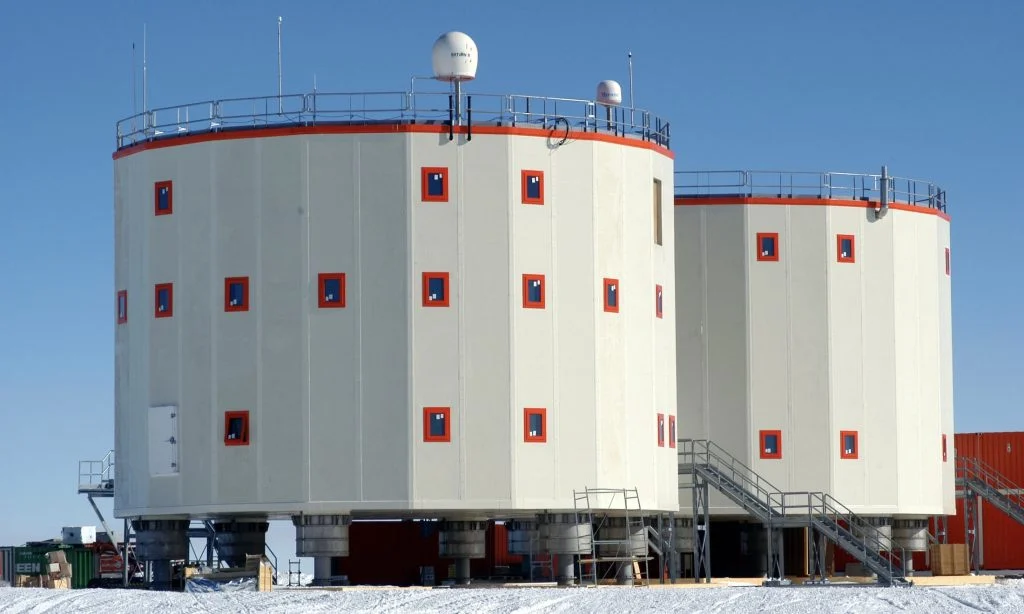
Antarctica is genuinely international territory. As of today, around 70 research stations represent nearly 30 countries. During summer, the population of the continent can reach 5,000 people; in winter, it drops to roughly 1,000.
Russia
Russia has the most Antarctic stations of any country after the US, with 11 sites, five of which are permanently staffed. Russia's most notable station is Vostok, located above Lake Vostok, one of the largest subglacial lakes on Earth, sealed beneath the ice for millions of years. Russia is currently upgrading several facilities and building new runways, which has drawn international concern about potential dual-use military applications.
China
China currently operates six Antarctic sites and is building a sixth permanent station at Marie Byrd Land, expected to open in 2027. China has risen from a minor Antarctic player two decades ago to the third-largest operator by number of stations. A 2022 US Defense Department report suggested China's expansion was likely aimed at strengthening claims to natural resources and maritime access, though Beijing has denied any geopolitical motive.
United Kingdom
The UK operates Rothera Research Station and Halley Research Station, the historic site where the ozone hole was discovered. The UK's British Antarctic Survey receives roughly £50 to 60 million annually and is one of the most respected polar research organizations in the world.
Australia
Australia operates three stations: Casey, Davis, and Mawson. Australia claims 42% of the continent under its Antarctic Territory and receives approximately AUD $70 to 80 million per year for its Antarctic Division.
Argentina and Chile
Both countries have long-established presences on the Antarctic Peninsula. Argentina operates Esperanza Base, which has housed families, including children born on the continent, making it the only place on Earth where humans have been born outside of any sovereign territory.
Others
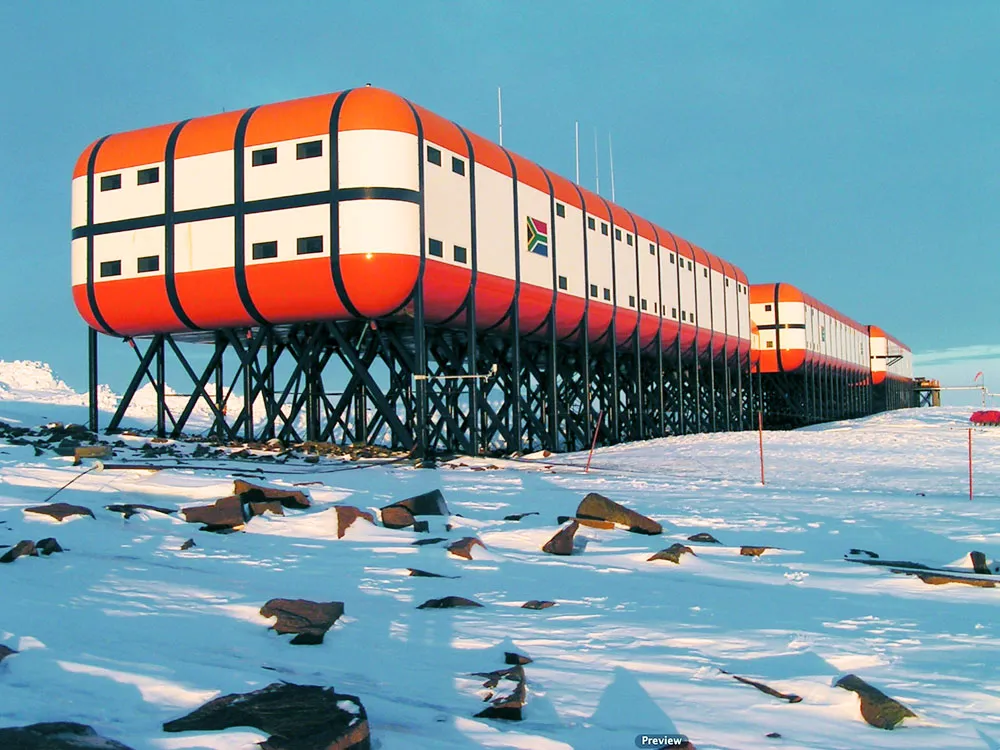
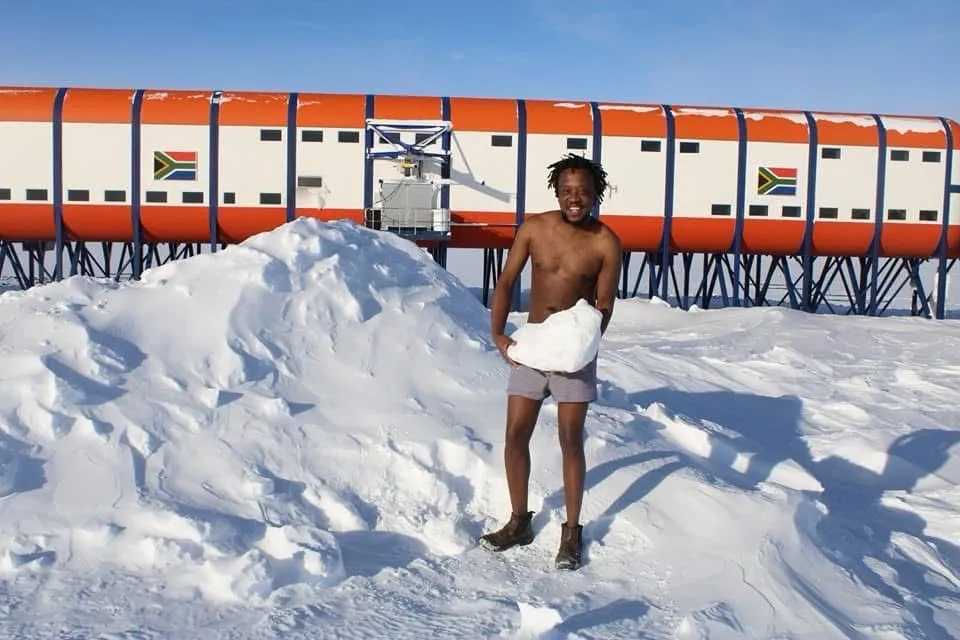
Germany, Japan, France, India, South Africa, South Korea, New Zealand, Norway, Italy, Poland, Spain, Ukraine, and others all maintain stations or seasonal camps. No country approaches the scale of the US program, though that gap is narrowing as US funding shrinks and Chinese investment grows.
Why Can't You Just Travel to Antarctica?
You can travel to Antarctica. It is not illegal. You do not need special government clearance. Over 100,000 tourists now visit Antarctica each austral summer season, almost all on expedition cruise ships departing from Ushuaia, Argentina or Punta Arenas, Chile.
What you cannot do is show up without oversight, wander freely into the interior, or collect biological or geological specimens without permits. The Antarctic Conservation Act makes unauthorized collection of native wildlife or plants a federal offense for US citizens, with fines up to $10,000 and up to one year in prison per violation.
Beyond the law, the practical barriers are enormous. There are no commercial airports, hotels, or hospitals on the continent. A medical evacuation from Antarctica can easily cost six figures. No rescue service is legally obligated to respond for an unsanctioned tourist.
The reason access is controlled is not to hide anything. It is because Antarctica is extraordinarily fragile, extraordinarily dangerous, and extraordinarily expensive to operate in. The continent has never developed biological defenses against human-introduced pathogens or invasive species. A single boot carrying foreign soil could potentially disrupt ecosystems that have evolved in isolation for millions of years.
The Conspiracy Theories — And the Counter-Evidence
"Governments Are Hiding Something Beneath the Ice — Ancient Ruins, Alien Technology, or a Portal"
This theory frequently cites Operation High Jump (1946 to 1947), a large US Navy expedition, as the smoking gun. The mission has been reimagined online as a secret confrontation with underground Nazi bases or extraterrestrial beings.
"Nazi Germany Built Secret Underground Bases in Antarctica After World War II"
This theory stems from a real 1938 to 1939 German Antarctic Expedition to a region they named "Neu-Schwabenland," and from postwar claims about German U-boats in the Southern Ocean.
"The Antarctic Treaty Is a Control Mechanism to Keep Civilians Away from Resources or Secrets"
A popular version notes that the Treaty is one of the few things Russia, China, and the US agree on, and treats this consensus as inherently suspicious.
"You Can't Really Visit — The Rules Are Designed to Prevent Discovery"
Where Things Stand Now
Antarctica is at a genuine inflection point. Climate change is altering the continent faster than almost anywhere else on Earth, and the science being conducted there has never been more urgent. At the same time, the geopolitical competition that the Antarctic Treaty was designed to foreclose is showing real signs of stress, with Russia and China aggressively expanding their presence while the United States is cutting funding significantly.
Scientific and policy experts have been blunt about what this means. In the Antarctic Treaty System, knowledge is power. Countries with the most research presence have the most influence over how the continent is governed, whether marine protected areas are established, how fishing rights are negotiated, and how any future disputes over resources are adjudicated. A United States that retreats from Antarctica does not leave a vacuum. It leaves a space that other powers are actively preparing to fill.
The frozen continent is not a place of secrets. It is a place of extraordinary science, genuine international cooperation, logistical heroism, and mounting strategic importance. Whatever lies beneath the ice is most likely far stranger and more significant than any conspiracy theory imagines, simply because the truth about Antarctica's role in Earth's climate, ecology, and future is remarkable enough on its own terms.
Kai Tutor | The Societal News Team
Follow Us!
It helps decentralize our presence across the web and it's completely free!
Instagram ➤
Youtube ➤
Substack ➤
X.com ➤
Telegram ➤
TikTok ➤