Russia Planning to Destroy Ukraine's Energy System — 70% of Kyiv Without Power
"Going All-In": Ukraine's Deputy Energy Minister
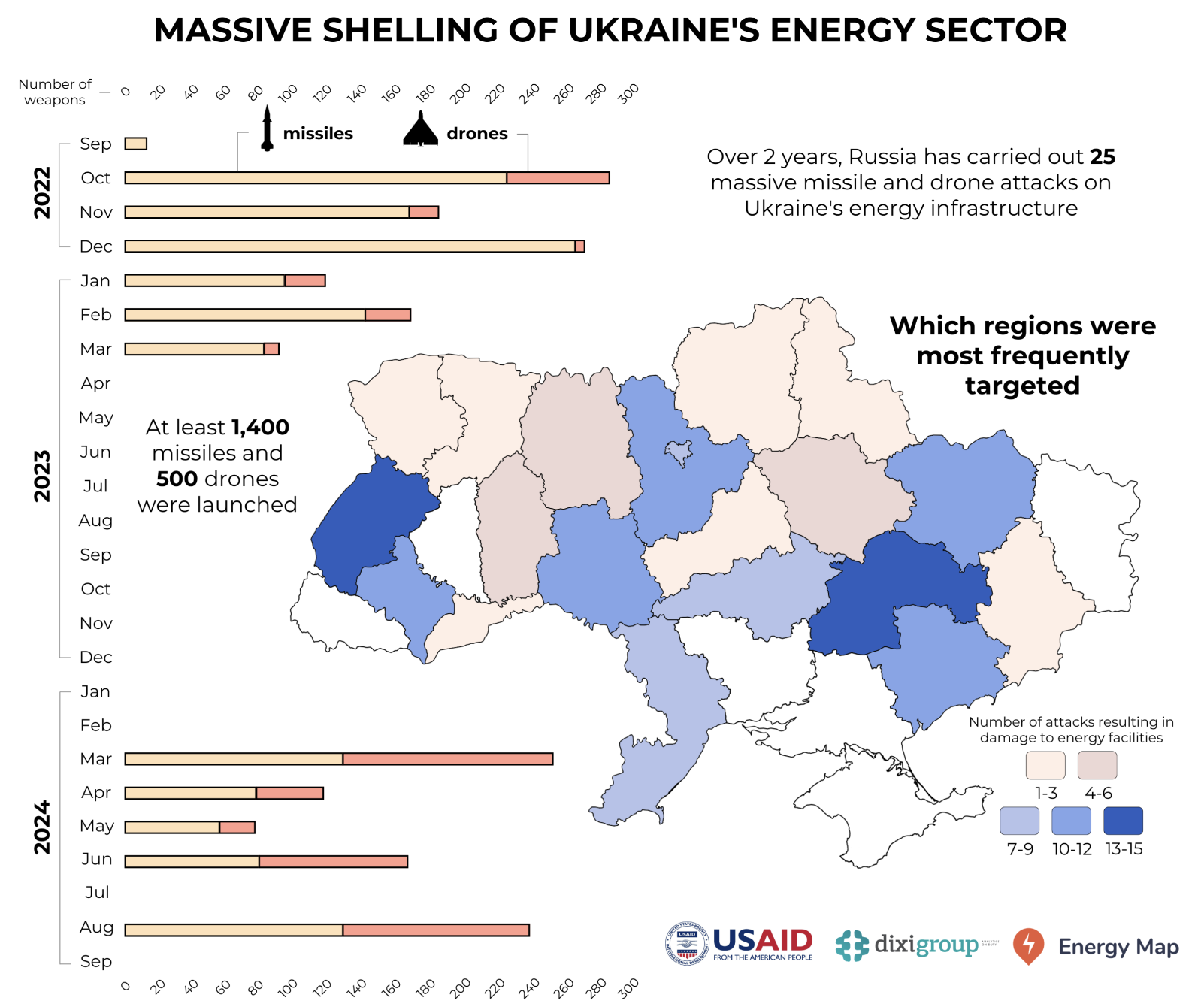
On January 13, 2026, Ukraine's Deputy Minister of Energy, Mykola Kolisnyk, asserted that Russian forces are committing maximum resources to the deliberate destruction of the country's energy infrastructure. This statement followed the second large-scale assault within less than a week. As reported by Liga.net, Kolisnyk observed that "Today, the enemy launched an attack with an interval of no more than five days after the previous one... we see that the enemy is going all-in, spending all its forces and means to destroy the energy system."
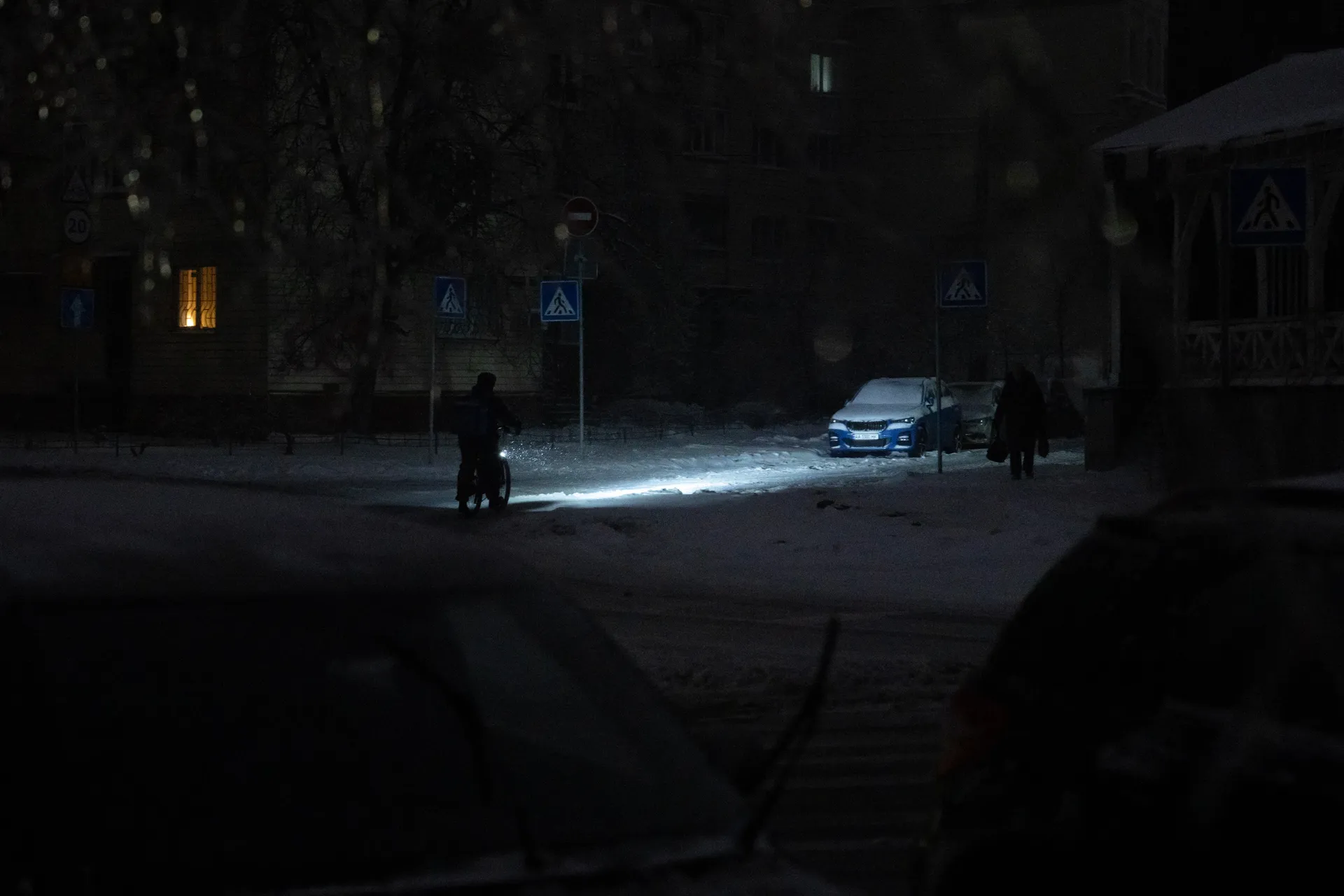
The overnight strikes on January 13 resulted in widespread power disruptions, leaving approximately 70 percent of Kyiv without electricity. Ukrenergo, the state-owned electricity transmission system operator, indicated that the attacks were designed to "disconnect the city".
Cruise missiles fired: 7
Shahed-type drones fired: 293
Kyiv without electricity: ~70%
Kharkiv casualties: at least 4 killed, 6 injured
Kyiv buildings without power (Jan 9 aftermath): ~6,000; down to ~800 by Jan 12
Temperatures forecast: as low as -22°C
DTEK thermal plant attacks since October: 8th strike recorded
Blasts in Kyiv from 1:10 a.m.
These developments compound existing chronic electricity shortages amid forecasts of temperatures falling to as low as -22°C in the near term. The latest assault occurred merely four days after a prior large-scale attack on civilian infrastructure. According to on-the-ground reporting by Kyiv Independent journalists, ballistic missile detonations were recorded in the capital around 01:10 local time on January 13, with additional explosions observed near 08:30. The Kyiv suburbs of Bucha, Hostomel, and Irpin reportedly lost both electricity and running water. Emergency load-shedding measures were extensively applied across Kyiv and parts of Kyiv Oblast, as confirmed by Ukrenergo.
Vitaliy Zaichenko, Chief Executive Officer of Ukrenergo, stated to the Kyiv Independent that "The Russians are trying to disconnect the city and force people to move outside (Kyiv)," noting that several substations had been struck overnight, resulting in "70% of Kyiv is without electricity." He further added that "We have information that Russia is ready to start the next wave of attacks with cruise missiles".
DTEK Hit for the Eighth Time, Kharkiv Struck
DTEK, Ukraine's largest privately owned energy company, reported fresh damage to equipment at one of its thermal power plants, marking the eighth such attack on its facilities since October of the previous year. Ukraine's Air Force reported that the assault involved 18 ballistic missiles, seven cruise missiles, and 293 Shahed-type drones. Energy infrastructure facilities in Kharkiv, Zaporizhzhia, and Dnipropetrovsk oblasts were also targeted. A combined missile and drone strike on the outskirts of Kharkiv resulted in at least four fatalities and six injuries, according to regional authorities on January 13.
In response to the escalating energy crisis, supermarket chains Novus and Silpo announced temporary closures of select stores in Kyiv, while municipal authorities indicated that electric tram services would be temporarily replaced by buses.
The Worst Winter Since the Invasion
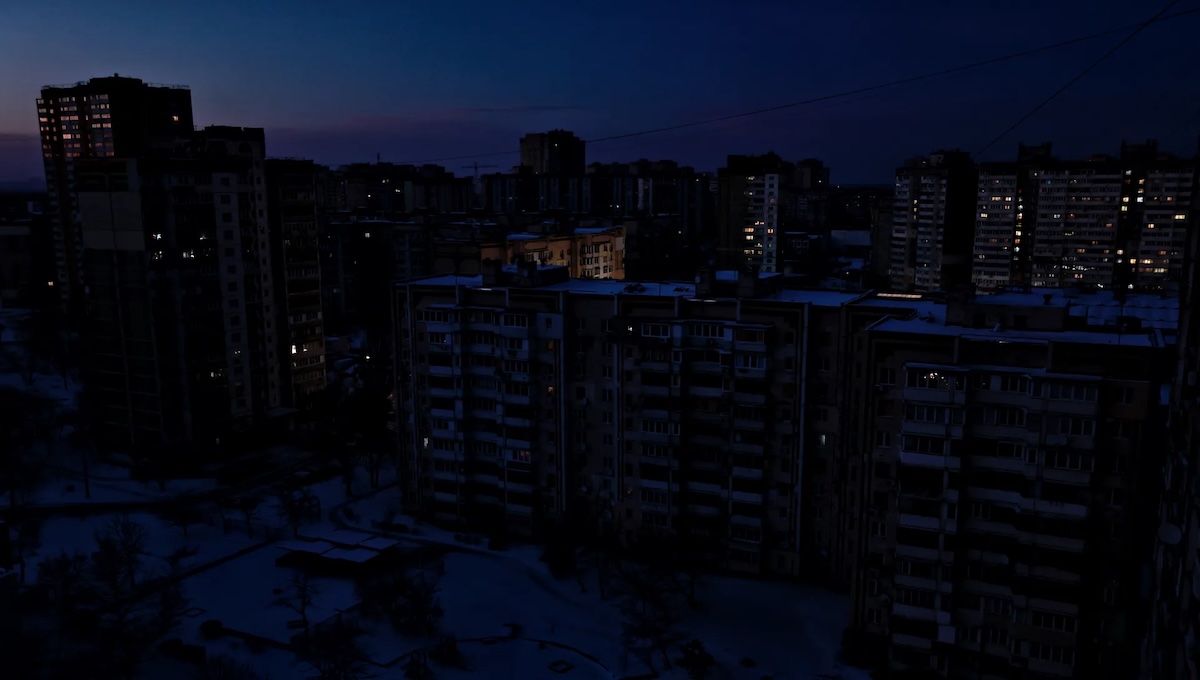
The January 13 incident followed a major attack overnight on January 9, which killed four individuals and injured 24 in Kyiv, depriving large parts of the capital of electricity, heating, and water supply at the onset of severe winter weather. In the immediate aftermath, approximately 6,000 buildings lost power; as of January 12, roughly 800 residential buildings remained disconnected while repair crews continued restoration efforts, per Kyiv Mayor Vitali Klitschko.
Olena Pavlenko, President of the Kyiv-based energy policy think tank DiXi Group, remarked to the Kyiv Independent: "Maybe this wasn't the worst attack, but this is the worst impact we've seen. Compared to all previous winters, the situation now is the worst." These successive strikes reflect a sustained Russian strategy of targeting critical energy infrastructure during the winter period, significantly exacerbating humanitarian and socioeconomic challenges in Ukraine under extreme climatic conditions.
The Societal News Team 13 JAN 2026
Follow Us!
It helps decentralize our presence across the web and it's completely free!
Instagram ➤
Youtube ➤
Substack ➤
X.com ➤
Telegram ➤
TikTok ➤