BlackRock and the Military Industrial Complex leveraging Ukraine
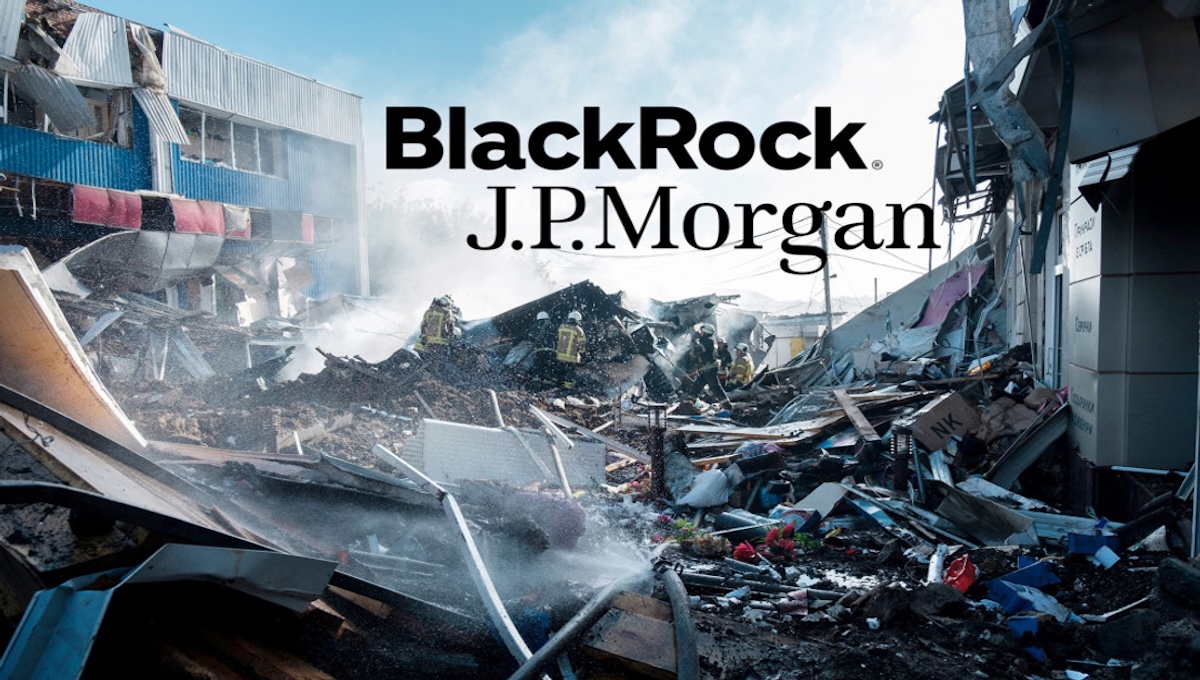
The ongoing conflict between Ukraine and Russia was once a focal point of international attention. Now, new wars draw attention as people wave their flags and posters, moving on to the next crisis like a passing makeup or outfit trend.
Wars and crisis, draw in not only military and humanitarian responses but also corporate interests and complex media narratives.
As the situation unfolds, it is essential to examine how American companies like BlackRock and the broader Military Industrial Complex leverage the war for financial gain while media narratives shape public perception and responses to humanitarian crises.
Corporate Exploitation
In the chaotic environment of war, financial giants such as BlackRock have been strategically positioning themselves to capitalize on the instability.
Reports indicate that the company has been investing in reconstruction efforts and acquiring valuable assets in the region, profiting from the turmoil rather than contributing to genuine recovery.
This behavior underscores a troubling reality. For some corporations, the suffering of individuals is secondary to the pursuit of profit.
The Military Industrial Complex, a term that describes the close relationship between military contractors and government, also thrives in such environments.
During conflicts, defense contractors always benefit from increased military spending, creating a lucrative market for weapons and equipment.
However, a significant portion of the military aid provided to Ukraine consists of outdated technology that has been retired from previous conflicts, particularly those in the Middle East.
Reports on the ground have indicated that the equipment supplied is often subpar, including older tanks and weaponry that are ill-suited for the unique terrain and tactics of modern warfare. This raises critical questions about the effectiveness of such support.
While media narratives frequently highlight the more advanced systems provided to Ukraine, they often overlook the more substantial supply of older, less effective military hardware.
This selective coverage creates a distorted perception of the military aid being offered, misleading the public about the actual state of support available to Ukrainian forces.
Propaganda
The role of media in shaping public perception cannot be overstated. American and European media outlets tend to focus predominantly on the newer weapons supplied to Ukraine, creating a narrative of robust support.
This portrayal often neglects to report on the older systems that dominate the landscape, leading to a skewed understanding of how effectively Ukraine is being supported. Moreover, the media’s portrayal of humanitarian aid adds another layer of complexity.
Major charities and organizations, including those backed by the UN and NATO, manage billions in funding (from governments, naive individual donors, and others) while claiming to provide critical humanitarian support.
In Ukraine, however, there are growing concerns that much of this aid fails to reach its intended recipients, particularly the most vulnerable on the frontlines.
Reports suggest that funds intended for humanitarian relief are being misallocated, siphoned off by local politicians, or simply do not make it past the Polish border or major cities centers like Lviv and Kyiv.
Consequently, the critical aid needed for those suffering in conflict zones often remains out of reach, raising legal and ethical questions about the effectiveness of these humanitarian organizations.
I was taught from a young age to never give money or help these big organizations but I naively interned at the UN in San Francisco my freshman year and saw first hand that they do… nothing.
Corporate Land Grab
One of the most alarming aspects of corporate involvement in the Ukraine conflict is the claim that companies like BlackRock are actively acquiring, or seizing/taking over on the ground, large amounts of Ukrainian land.
Land purchased by these corporations is being used in ways that directly affect the local population.
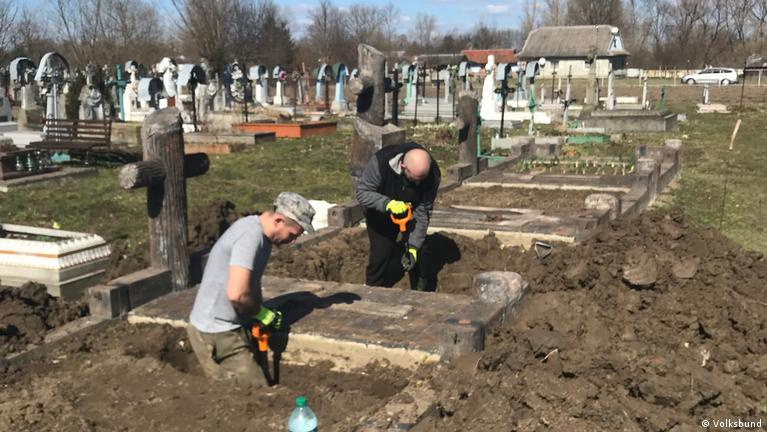
For instance, Ukrainians are reportedly facing restrictions that prevent them from burying their dead on their ancestral lands.
In some cases, families are being compelled to dig up old cemeteries and relocate the remains of their relatives, many of whom were war heroes from past conflicts like World War II.
This is not merely an act of disrespect. It signifies a profound disregard for the cultural and emotional significance of these sites.
Additionally, the land being acquired is often fertile, capable of producing essential crops like wheat that makes bread which is integral to feeding a significant portion of Europe.
The implications of such land transactions extend beyond individual loss, they threaten the agricultural viability of the region.
Instead of benefiting local Ukrainians, this land could be repurposed for harmful uses like waste disposal for American tech and industrial trash, potentially contaminating soil and water while causing long-term health crises, such as cancer clusters, for nearby communities.
This mirrors the infamous “Cancer Alley” in Louisiana, where petrochemical pollution has devastated generations (watch documentary Cancer Alley).
Impact
The discrepancies between media narratives and the realities on the ground can lead to significant public disillusionment and distrust.
When citizens learn that aid does not reach the intended recipients or that military support is inadequate, they still don’t care, it diminishes trust in both media and government institutions.
This erosion of trust can result in apathy or skepticism toward future humanitarian efforts, as people may feel that their contributions are ineffective or mismanaged.
The media often manipulates emotional narratives that sensationalize human suffering while downplaying the complexities of the situation.
This focus on dramatic visuals can skew public understanding of the war, turning it into a spectacle rather than a tragic humanitarian crisis.
The emotional engagement generated by these narratives may prompt immediate responses, but it can also lead to a lack of sustained interest or commitment to long-term solutions.
Another consequence of the media's portrayal of conflict is crisis fatigue. Continuous exposure to distressing images and stories can leave the public feeling overwhelmed and desensitized to the ongoing suffering.
This detachment can hinder meaningful action and support for humanitarian efforts, as individuals may become numb to the scale of the tragedy unfolding before them.
Transparency
The public must demand transparency and accountability from corporations and humanitarian organizations involved in Ukraine.
Corporate interests, military dynamics, and media narratives heavily shape how we understand this crisis.
An informed public can spark real discourse and action for a more compassionate, effective response.
This means pushing corporations to stop perpetuating conflict for profit and ensuring aid reaches those who need it most.
We've tried holding big players accountable for years, it’s proven nearly impossible.
Efforts are undermined by foreign volunteers, fake charities, and unvetted groups flooding the space. In reality, we can only truly trust vetted individuals who've proven themselves reliable on the ground.
Media outlets also bear responsibility, they must deliver balanced, comprehensive coverage that shows both successes and real shortcomings of military and humanitarian efforts, instead of glossing over failures.
The war in Ukraine starkly reveals how intertwined corporate greed, military interests, and selective media storytelling distort public perception and hinder effective aid.
As global attention fades, unfortunately, many no longer care, it’s urgent to confront these dynamics and push for a truly ethical approach that addresses the suffering of civilians caught in the crossfire.
By deepening understanding and supporting trustworthy grassroots efforts over bloated institutions, individuals can help build a more just, informed response for all affected.
Sasha | The Societal News Team 18JAN2026