Most Americans Can't Afford Beef
Prices Have More Than Doubled Since 2020
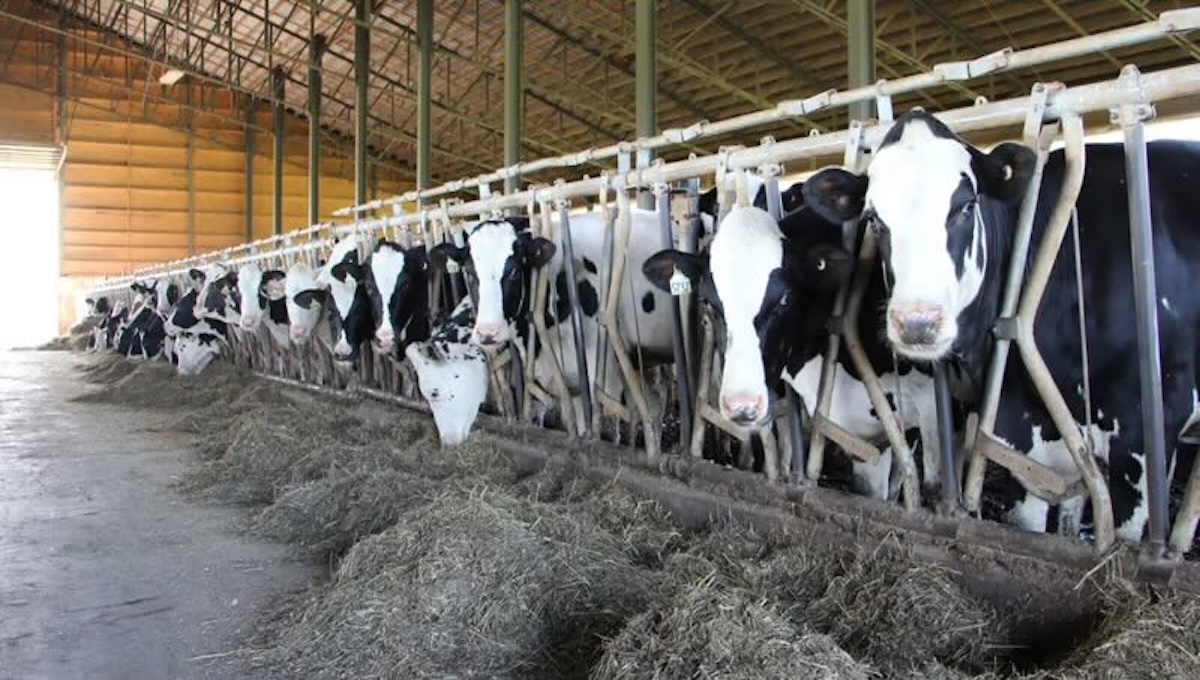
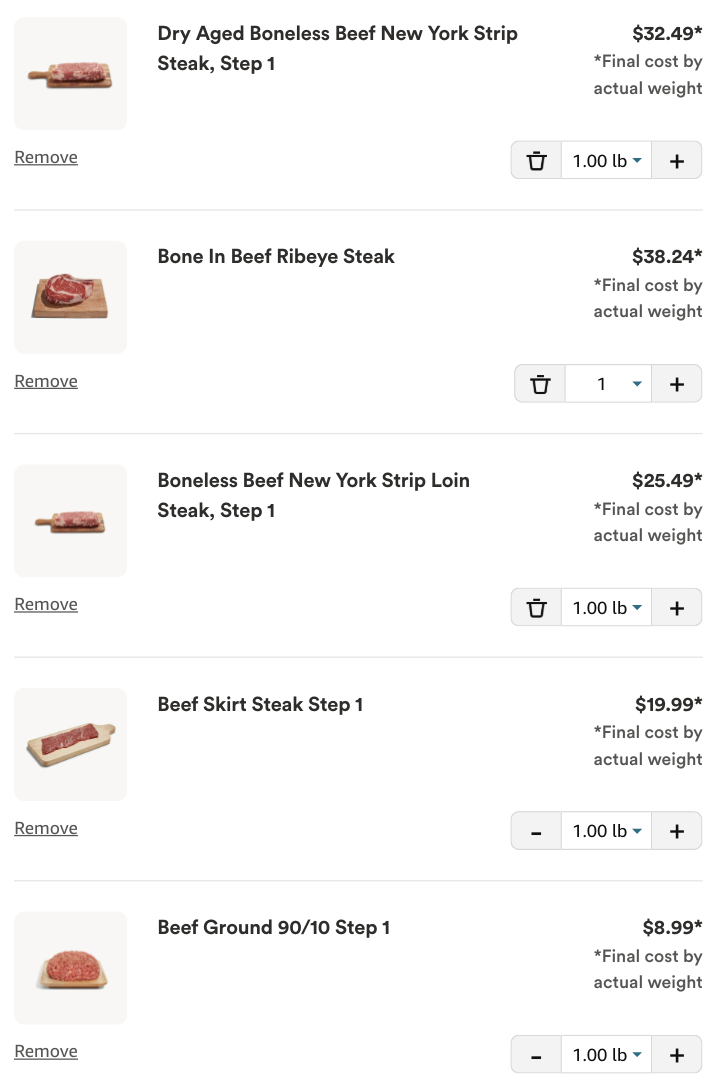
Beef prices have risen substantially since 2020, significantly outpacing general food inflation of approximately 25–30% over the same period. Ground beef climbed from $4.26 per pound in 2020 to $10.00 per pound in early 2026 — a 134.7% increase. Steak prices escalated from $8.72 per pound to $22.00 per pound, marking a 152.3% surge. These trends have accelerated sharply in 2025–2026, driven by historic cattle herd contractions and sustained consumer demand.
Steak cuts: $8.72 → $22.00 per pound · +152.3%
General food inflation over same period: ~25–30%
A Supply Crisis Years in the Making
The primary drivers remain supply-side constraints, intensified by environmental and economic pressures. The U.S. cattle herd has shrunk to its smallest size in decades — around 94 million head total, with beef cows near 28 million — due to prolonged droughts across key ranching regions, elevated feed costs, and forced herd liquidations when ranchers could no longer sustain their animals through dry seasons.
Production declined 4% in 2025, with further reductions projected through 2026. Additional structural pressures include grain price volatility, rising interest rates that make herd expansion costly, and consolidation among major meatpackers that limits competition at the processing level. Rebuilding a cattle herd is a multi-year process — ranchers cannot simply respond to high prices with a fast supply increase.
Demand Has Not Fallen to Match
What makes this crisis particularly acute is that demand has stayed robust despite record prices. Consumer preferences for beef's taste, nutrition density, and cultural centrality to the American diet have kept retail sales values rising even as volumes decline. This pronounced supply-demand imbalance amplifies upward price pressure, with no near-term mechanism to quickly close the gap.
The Affordability Squeeze on American Families
With median household income largely stagnant and food expenditures already claiming 10–12% or more of disposable income — roughly $8,800–$10,000 annually for average households — the beef surge imposes severe budget strain. At 58 pounds per capita in 2026, annual beef expenditure per person at $10+ per pound totals roughly $580 or more. For a family of four, that equates to over $2,300+ annually in ground beef alone. When mixed cuts approach the $22+ per pound steak range, costs escalate considerably further.
Per person: ~$580+ per year
Family of four: ~$2,300+ per year
Share of average household food budget: significant and growing
Americans Are Changing What They Eat
Surveys indicate widespread behavioral shifts already underway. Significant portions of consumers report reducing beef purchases, opting for cheaper protein alternatives such as chicken or pork, or eliminating red meat from their diets entirely. Lower and middle-income households face disproportionate impacts, potentially exacerbating nutritional disparities as access to nutrient-dense beef diminishes for those who can least afford substitutes.
Aggregate consumption remains relatively stable in total volume — driven partly by higher-income households absorbing the cost — but per capita figures show measurable declines from historical peaks. The data confirms that price barriers are actively reshaping American dietary patterns at scale.
Relief Is Not Coming Soon
The surge in U.S. beef prices from 2020 to 2026 — exemplified by ground beef reaching $10+ per pound and steak surpassing $22+ — arises from a confluence of historic supply shortages, environmental challenges, and persistent demand. Interventions such as feed subsidies, herd rebuilding incentives, or import facilitation may offer partial mitigation, though meaningful relief could take years to materialize. Future research should address regional variations and the long-term health and nutritional implications of declining beef access. Without resolution of the underlying supply constraints, the affordability divide is likely to persist, fundamentally altering how America eats.
The Societal News Team 10 JAN 2026
Follow Us!
It helps decentralize our presence across the web and it's completely free!
Instagram ➤
Youtube ➤
Substack ➤
X.com ➤
Telegram ➤
TikTok ➤