Russia is Weaponizing Winter, Strikes Cause Major Blackouts
In the ongoing Russo-Ukrainian War, now approaching its fourth anniversary since Russia's full-scale invasion in February 2022, Moscow has employed a deliberate campaign of strikes against Ukraine's civilian energy infrastructure, particularly intensified during winter months.
This approach, termed "weaponizing winter" by Ukrainian officials, aims to exploit seasonal vulnerabilities by depriving populations of electricity, heating, and water, thereby imposing psychological and physical hardship on civilians while straining state resources.
On January 8, 2026, Russian drone strikes exemplified this strategy, resulting in significant disruptions to Ukraine's power grid.
The southern Zaporizhzhia region pre war population approximately 1.7 million experienced a complete blackout lasting several hours, the first total regional outage since the invasion's onset.
Emergency measures restored power via reserves, though ancillary services such as water supply and air-raid sirens were temporarily impaired.
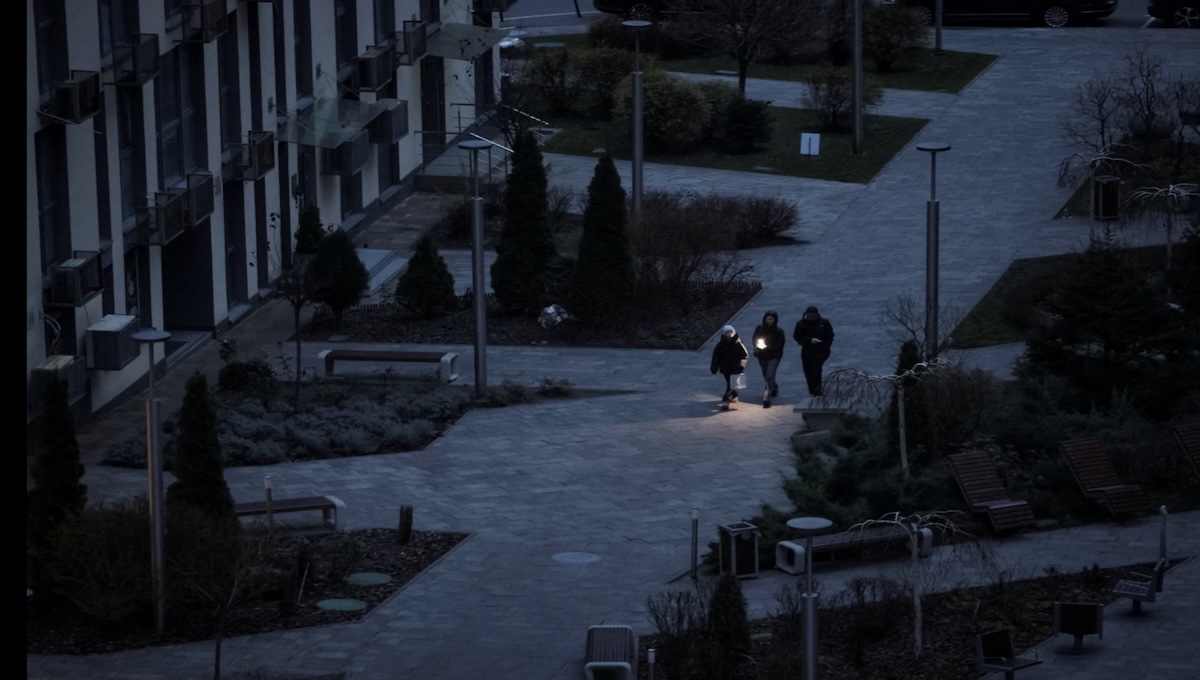
In the central Dnipropetrovsk region, over 600,000 households lost electricity, with hundreds of thousands remaining affected into the afternoon, according to private operator DTEK.
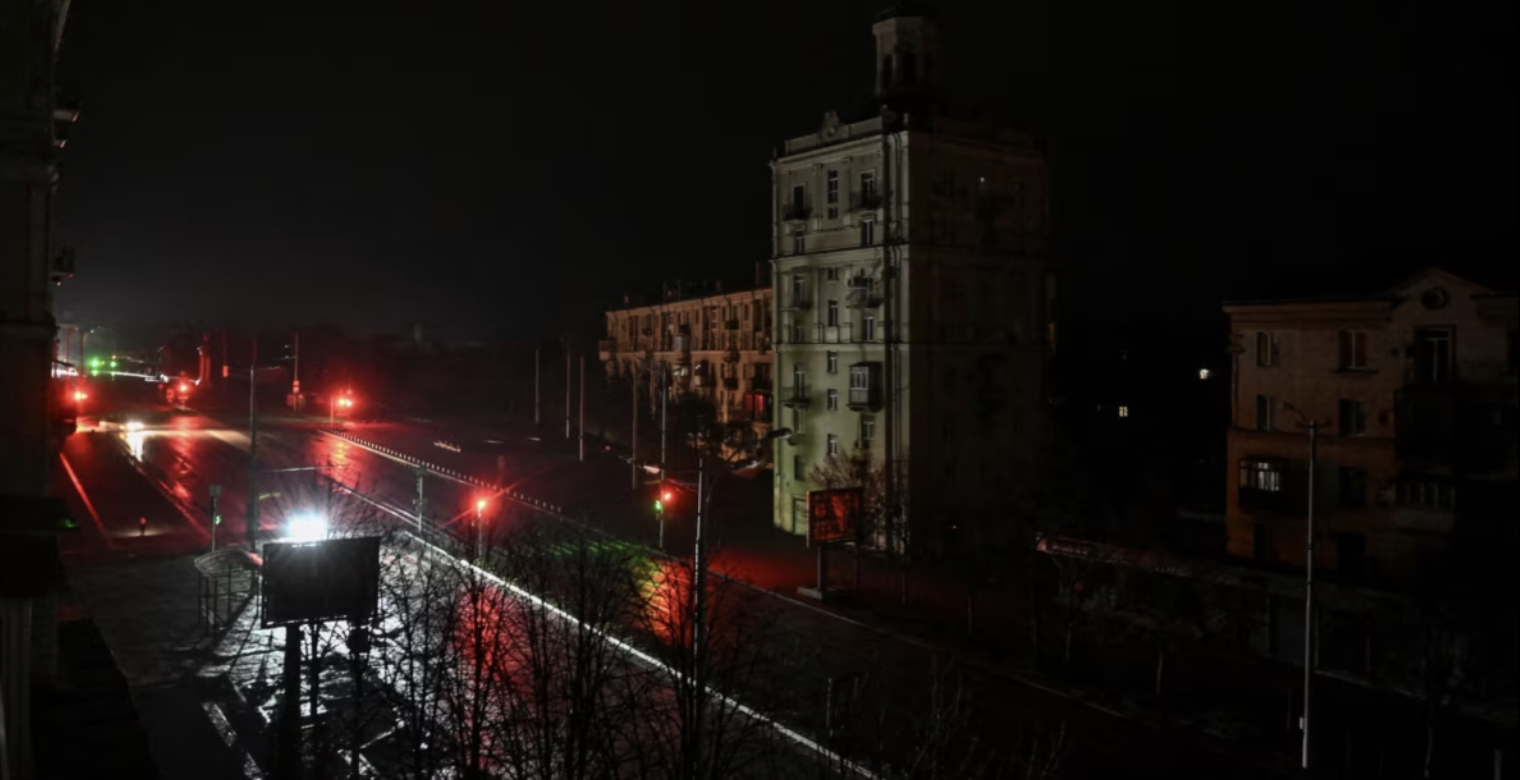
These outages occurred amid sub-zero temperatures, exacerbating risks to public health and infrastructure resilience.
Ukrainian President Volodymyr Zelenskyy condemned the attacks, asserting on social media that "there is no military rationale for such strikes on energy facilities and infrastructure that leave people without electricity and heating in winter conditions."
This rhetoric aligns with broader accusations that Russia's targeting of non-military assets constitutes a form of collective punishment, potentially violating international humanitarian law principles distinguishing between civilian and military objectives.
The January 8 strikes extended to direct civilian targets: two ballistic missiles impacted residential buildings in Kryvyi Rih, injuring at least 10 individuals (one critically) per initial reports from regional authorities.
Such actions underscore the dual nature of Russia's campaign degrading energy capacity while inflicting immediate harm.

From a strategic perspective, "weaponizing winter" represents a calculated attrition tactic. By timing large scale assaults on the power grid for colder periods, Russia seeks to amplify civilian suffering, potentially eroding domestic morale and pressuring Kyiv toward concessions.
Historical patterns since 2022 demonstrate repetition: annual waves of strikes have damaged or destroyed substantial portions of generating capacity, forcing reliance on imports and emergency shelters known as "points of invincibility."
These military developments coincide with diplomatic initiatives led by the United States under President Donald Trump.
Zelenskyy announced that a bilateral security guarantees agreement with Washington is prepared for finalization, contingent on a peace settlement, to deter future aggression.
Ukraine has submitted peace proposals via U.S. intermediaries for discussion with Moscow, awaiting indications of Russian willingness to compromise. Concurrent European/U.S. talks address postwar reconstruction and potential monitoring mechanisms.
Yet, the persistence of infrastructure attacks amid negotiations highlights a disconnect between Russia's battlefield actions and public diplomatic posture.
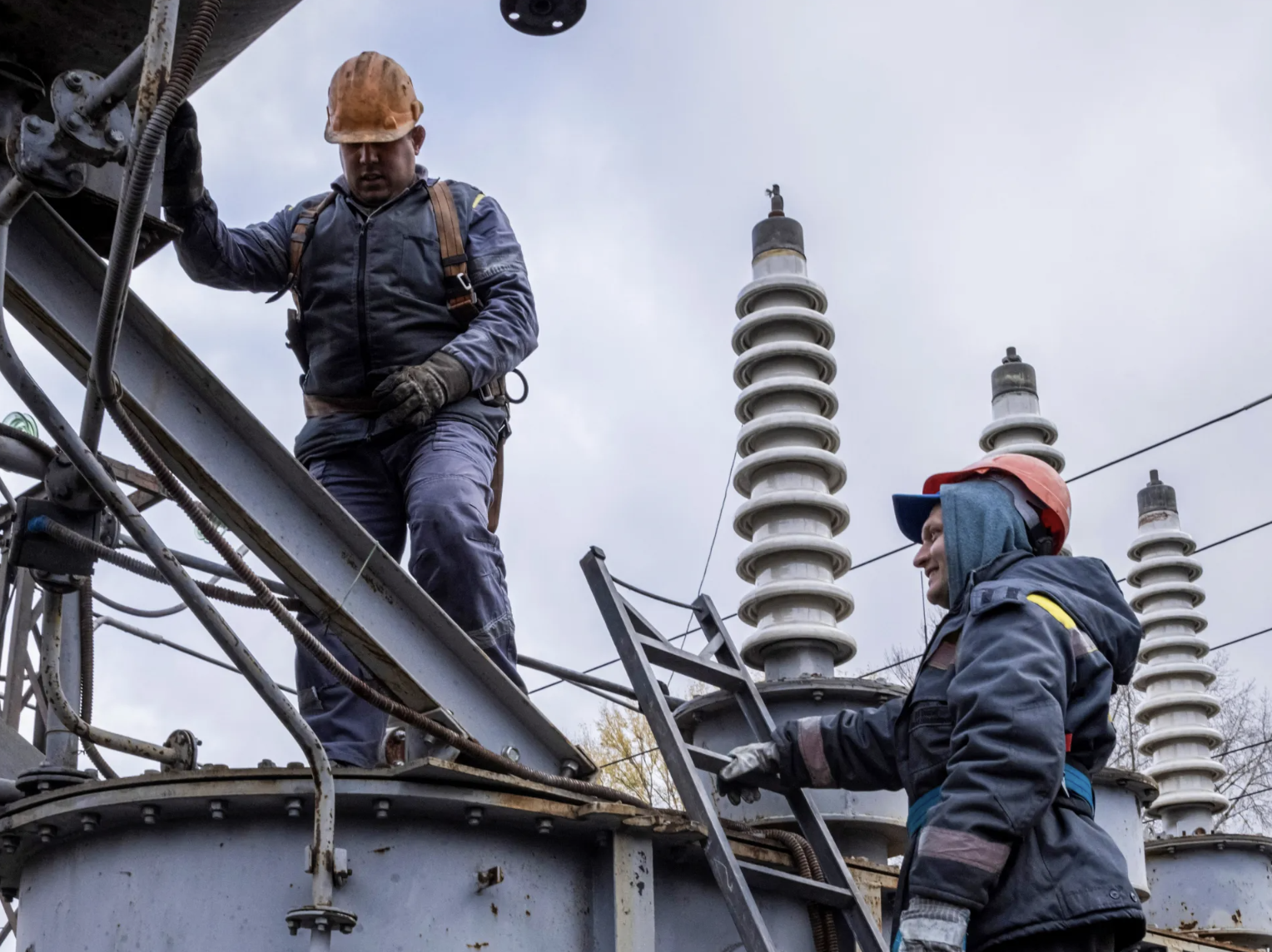
As repair crews operate under ongoing threats and citizens endure blackouts, the efficacy of emerging security frameworks will depend on robust international responses to such coercive strategies.
This episode illustrates the interplay of kinetic and environmental coercion in modern hybrid warfare, testing Ukraine's societal resilience and the international community's commitment to upholding norms against civilian-targeted attrition.
The Societal News Team 09JAN2026