America's Undeclared War on Iran
What Happened, Why It Happened, and Who Pays
How We Got Here
The US Iran war did not begin on February 28, 2026.
In 2018, President Trump withdrew the United States from the Joint Comprehensive Plan of Action, the multilateral nuclear deal that, according to most independent experts, had delayed Iran's path to a nuclear weapon by at least a decade. Iran, stripped of the sanctions relief it had been promised, began reneging on the deal's limits in 2019. The foundation for conflict was being laid in plain sight.
In October 2023, Hamas launched its devastating attack on Israel, killing approximately 1,200 people and taking more than 200 hostages. Israel's subsequent war in Gaza unraveled Iran's regional "Axis of Resistance," the network of proxy militias including Hezbollah, Hamas, Iraqi militias, and the Houthis that Tehran had spent decades funding and arming. With its proxies weakened and its own vulnerabilities exposed, Iran found itself in a strategically precarious position. In April and October 2024, Israel and Iran exchanged direct missile strikes for the first time in their decades-long shadow war.
The Twelve Day War — June 2025
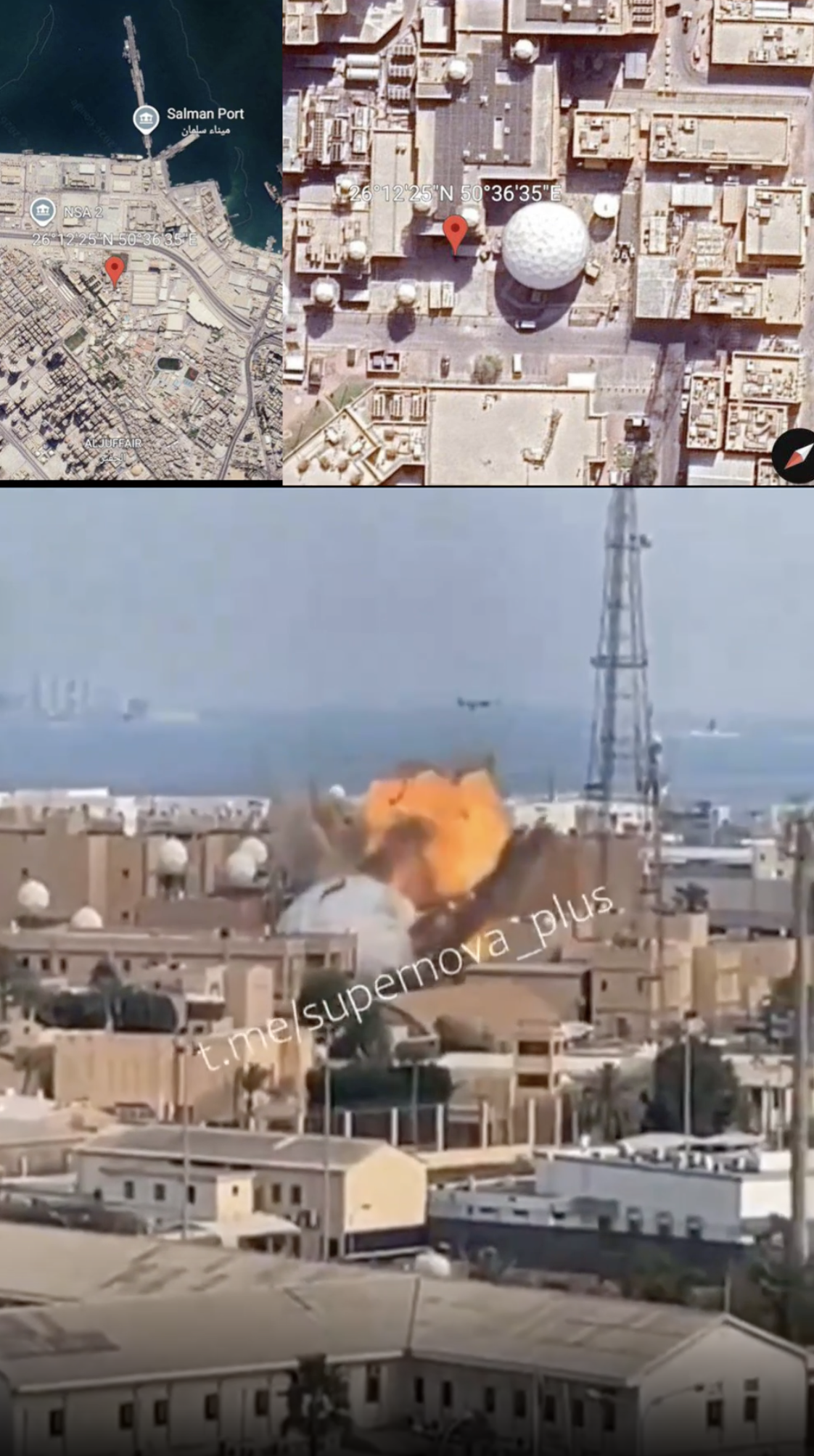
On June 13, 2025, Israel launched a massive surprise military operation against Iran: Operation Rising Lion. In the opening hours, Israeli jets flew more than 200 fighter aircraft in five waves, hitting approximately 100 targets. Mossad operatives had smuggled precision weapons into Iran and established a covert drone base near Tehran to disable Iranian air defenses. Thirty Iranian generals were killed within minutes, along with nine nuclear scientists.
Iran retaliated with over 550 ballistic missiles and more than 1,000 suicide drones aimed at Israeli population centers and military targets.
On June 22, the United States entered the conflict, bombing three key Iranian nuclear sites, Natanz, Fordow, and Isfahan, that Israel's arsenal could not reach or fully destroy. A fragile US-brokered ceasefire ended the conflict on June 24. Trump declared the nuclear facilities "completely and totally obliterated." Days later, a US official told reporters that intelligence assessments concluded the strikes had set Iran's nuclear program back only "a few months." The IAEA said Iran was not in a position to build a nuclear weapon. The contradictions between the administration's public claims and intelligence reality were already visible.
Massacres and the Military Buildup — January 2026
In January 2026, the Islamic Republic's security forces cracked down on the largest wave of anti-government demonstrations since 1979, massacring thousands of civilians and arresting tens of thousands more. Trump responded with threats of military action and authorized the largest US military buildup in the Middle East since the 2003 invasion of Iraq. Two aircraft carriers, the USS Abraham Lincoln and the USS Gerald R. Ford, were positioned off the coast of Iran and Israel. Carrier strike groups, B-1 and B-2 bombers, F-22 Raptors, THAAD missile defense systems, and Patriot batteries were moved to the region at an unprecedented pace.
Meanwhile, US and Iranian diplomats were actively engaged in Oman-mediated nuclear talks in Geneva. Oman's foreign minister said negotiations were making genuine progress.
On February 27, 2026, at 3:38 p.m. EST, aboard Air Force One flying to Corpus Christi, Texas, President Donald Trump gave the order to proceed.
Operation Epic Fury — February 28, 2026
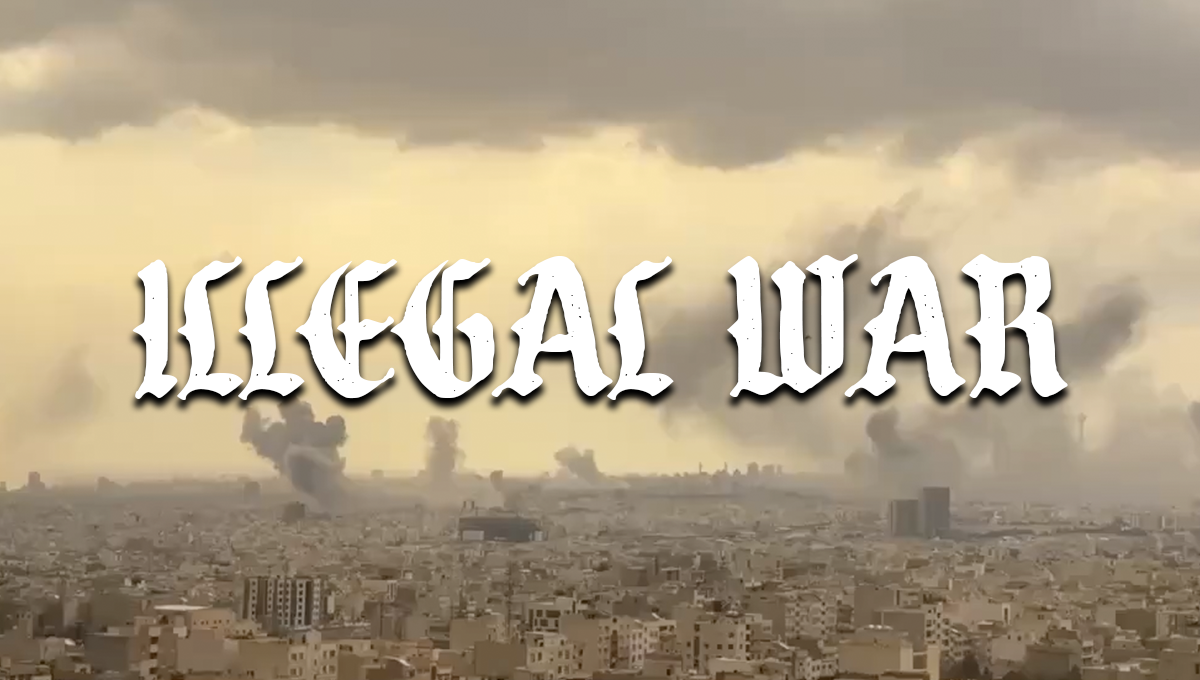
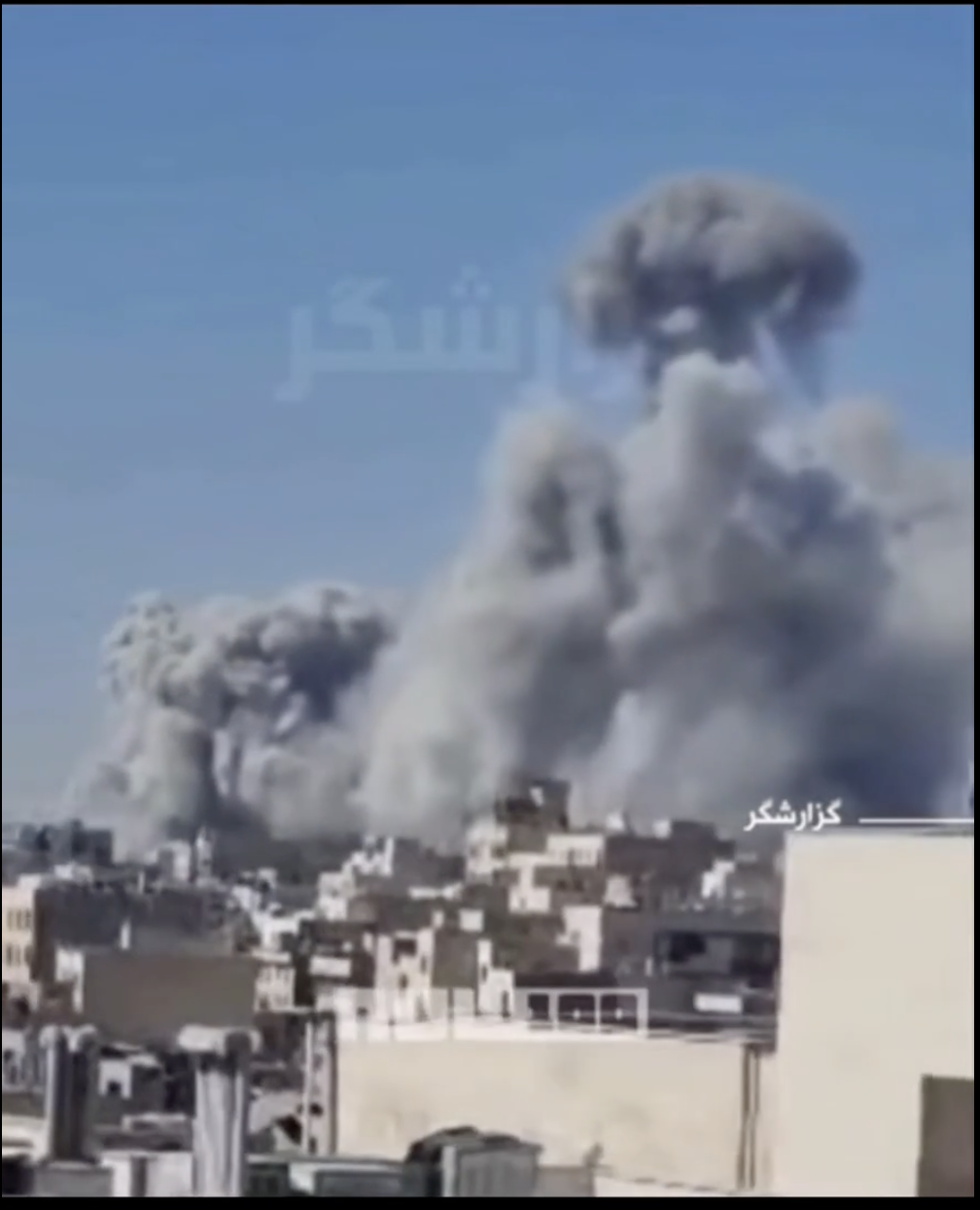
At 1:15 a.m. EST on February 28, 2026, the United States military commenced Operation Epic Fury. Simultaneously, Israel launched its synchronized campaign, Operation Roaring Lion. The strikes hit military and government sites, nuclear infrastructure, bridges, airports, schools, hospitals, and heritage sites. In the opening salvo, Supreme Leader Ali Khamenei was assassinated, along with several family members and top IRGC commanders.
Iran responded with hundreds of ballistic missiles and drones targeting Israel, US military bases across the Gulf, and civilian infrastructure across Bahrain, Kuwait, Qatar, Saudi Arabia, Oman, and the United Arab Emirates. Iran then closed the Strait of Hormuz, through which approximately 20% of the world's oil and one-fifth of global liquefied natural gas trade flows every single day.
The Twelve-Day War template, targeted strikes then ceasefire, had not held. A new Supreme Leader, Khamenei's son Mojtaba, was quickly installed. The IRGC pledged loyalty. Iran widened its strikes to nine countries. The region was at war in a way it had not been in decades.
Who Is Involved
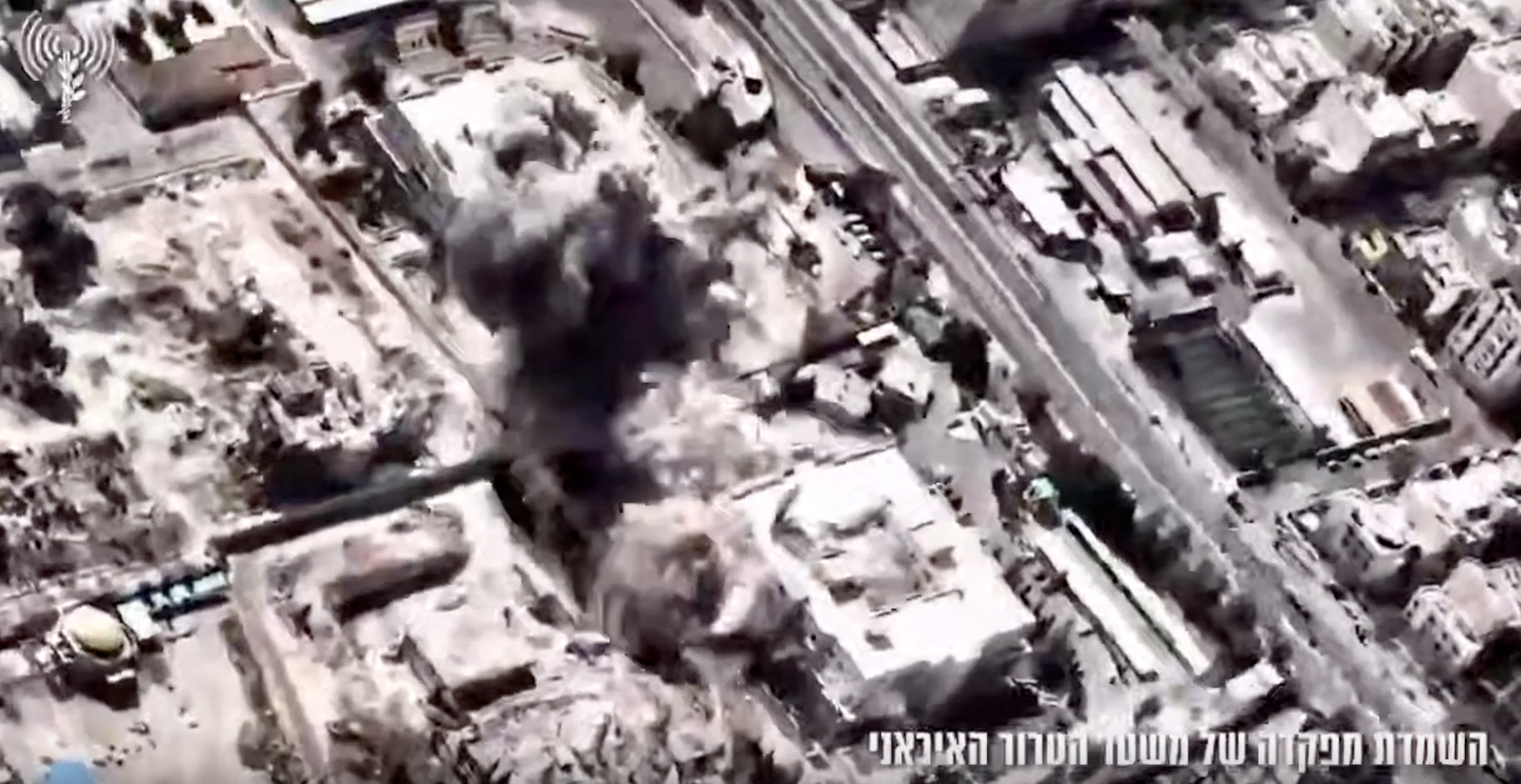
President Donald Trump ordered the operation on February 27, 2026, from Air Force One. Secretary of Defense Pete Hegseth justified the war on both strategic grounds and, according to multiple reports, in explicitly religious language, framing it at times as a holy war. At a Pentagon press briefing he announced: "Turns out the regime who chanted 'Death to America' and 'Death to Israel' was gifted death from America and death from Israel."
Secretary of State Marco Rubio initially told reporters that the US entered the war because Israel was going to attack Iran anyway, and Iranian retaliation against US bases was inevitable. The implication that Israel had dragged the United States into war caused a firestorm. The White House quickly walked the statement back.
Prime Minister Benjamin Netanyahu had sought to attack Iran for decades. With Iran's proxy network weakened and a sympathetic Trump administration in Washington, the window had finally opened.
US Senator Mark Warner, after classified briefings, stated publicly that Iran's ballistic missiles were not a threat to the United States, but they were to Israel.
The Official Justifications Keep Changing
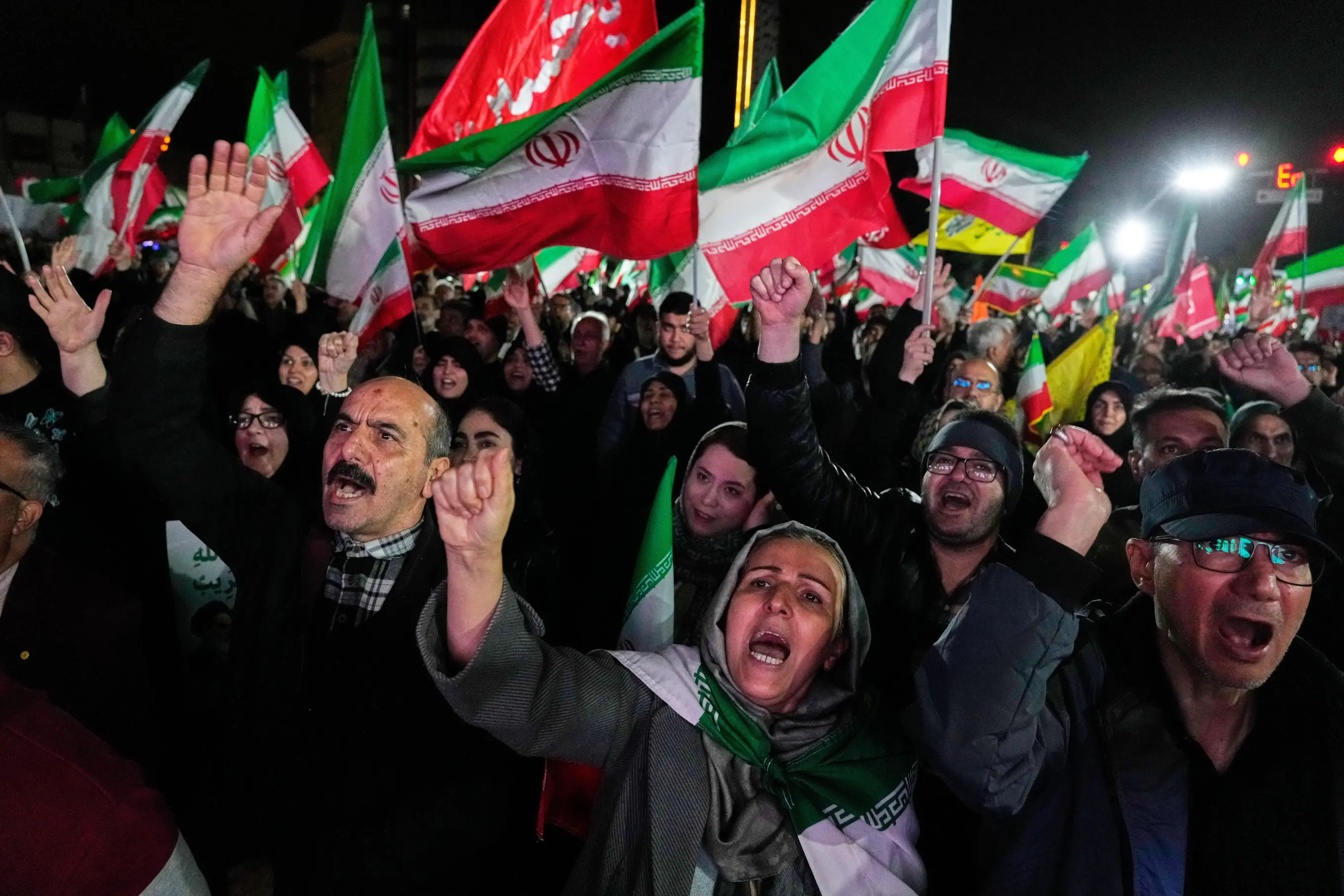
The Trump administration offered multiple, often contradictory rationales for the war.
The first and most common was the "two weeks to nukes" claim, a claim that has been made going back to the 1990s. Trump said: "If we didn't do what we're doing right now, you would have had a nuclear war and they would have taken out many countries." There was no independent corroboration. The IAEA said Iran was not in a position to build a nuclear bomb. A 90% enrichment level is required to make one. Iran had reached only 60%. A Defense Intelligence Agency assessment found Iran would not be capable of building intercontinental ballistic missiles until 2035. Iran's own foreign minister had declared after the June 2025 strikes that his country could no longer enrich uranium at all, yet months later the Trump administration cited imminent Iranian nuclear capability as the reason for launching a new, larger war.
The second justification, "preemptive defense," was perhaps the most candid and the most damaging. Rubio told reporters: "We knew that there was going to be an Israeli action. We knew that that would precipitate an attack against American forces, and we knew that if we didn't preemptively go after them before they launched those attacks, we would suffer higher casualties." This amounted to an admission that the United States launched an offensive war against a sovereign nation not because Iran had attacked the US or even imminently threatened, but because the US expected Iran to respond to an Israeli attack that had not happened yet. Senator Warner said there was no evidence Iran planned to strike the United States pre-emptively.
Critics also pointed to Israel's influence on the decision. In a poll of Trump voters, 53% said the US should not get involved in the Iran-Israel conflict. In a broader CNN poll after the June 2025 strikes, 56% of Americans disapproved. Representative Thomas Massie and others argued publicly that the war was also a diversionary tactic, launched days after the Epstein files were released, amid a sweeping ICE crackdown generating domestic backlash, and as global tariffs were hammering Trump's approval ratings.
This War Is Illegal
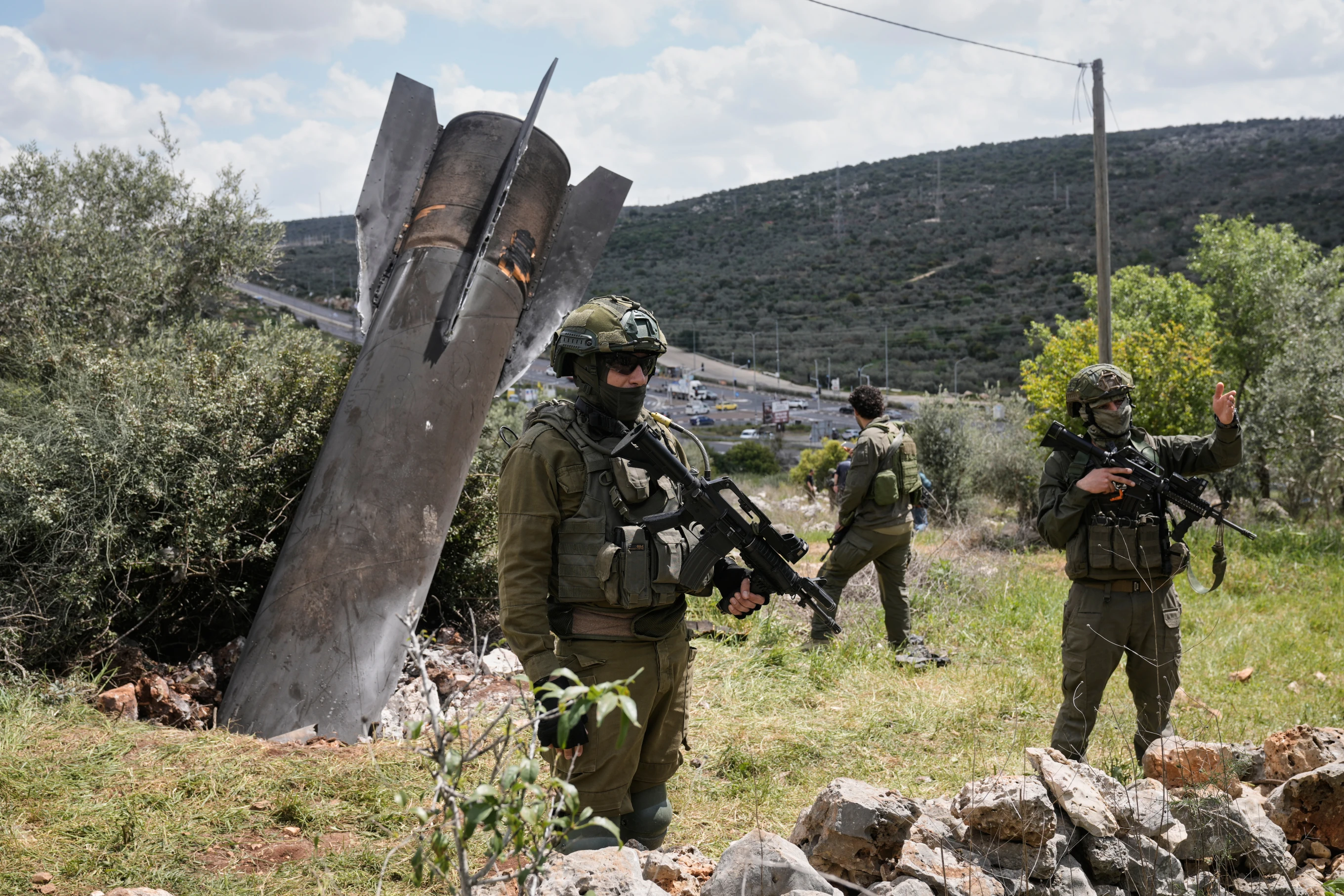
The US Constitution is not ambiguous on this point. Article I, Section 8, Clause 11 gives the power to declare war to Congress, not the president. There was no declaration of war. There was no Authorization for Use of Military Force. Congress was not consulted in any meaningful way before the bombs fell.
The War Powers Resolution of 1973 was passed specifically to prevent exactly this kind of unilateral presidential war-making. It prohibits the president from sending armed forces into hostilities without congressional authorization or a genuine national emergency created by an attack on the United States. Iran had not attacked the United States.
The United Nations Charter restricts the use of force to self-defense or Security Council authorization. Neither condition was met. The United States attacked a country that had not attacked it, during active diplomatic negotiations with that country, while mediators were still in the room.
Why No One Is Being Impeached or Jailed
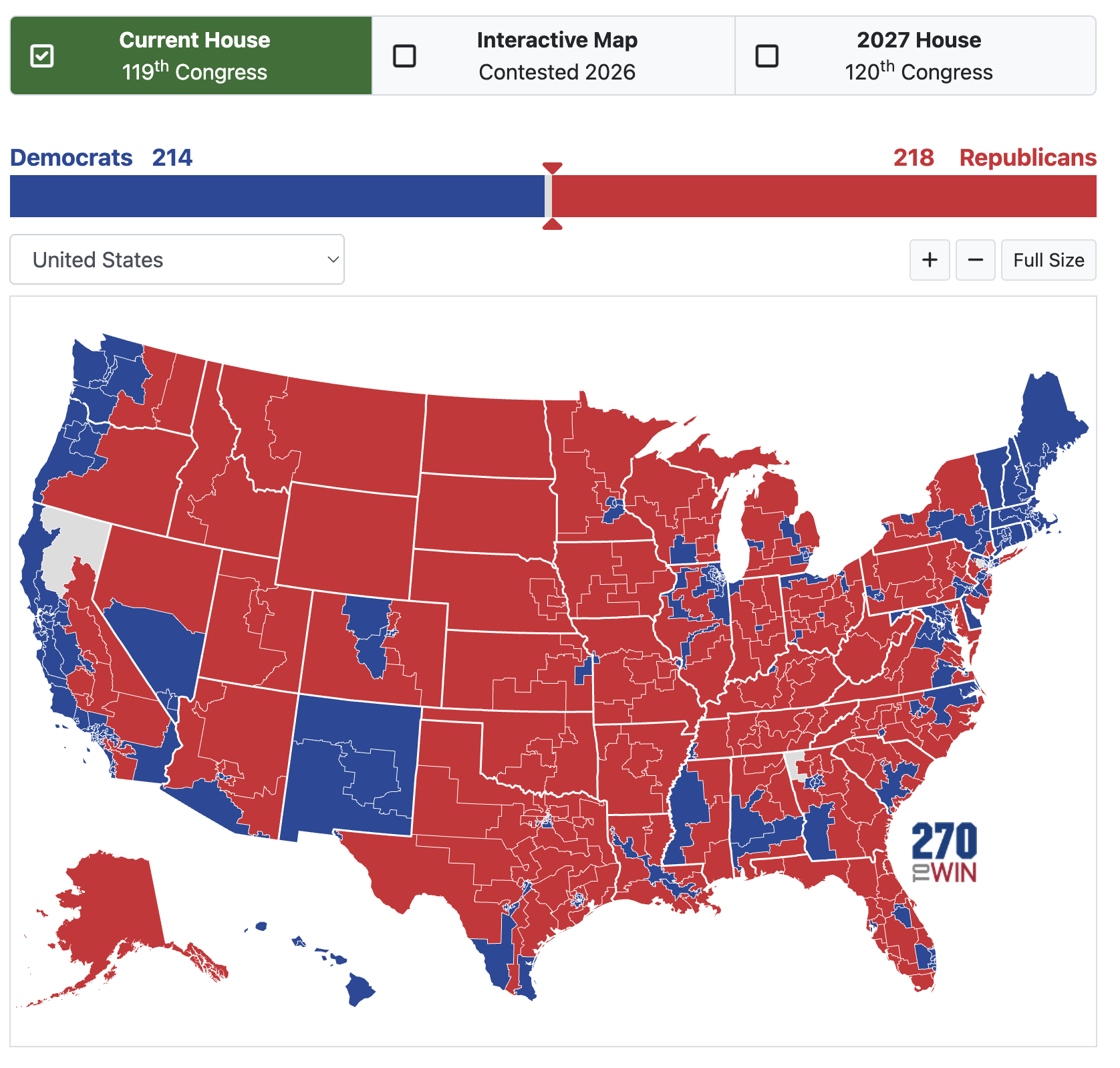
The answer is both simple and deeply structural. Democrats are in the minority in both chambers of Congress. More than 70 Democrats publicly called for Trump's removal through impeachment or the 25th Amendment. Representative Alexandria Ocasio-Cortez called the war "absolutely and clearly grounds for impeachment," but calling for impeachment from the minority is a political statement, not a mechanism.
Republicans, with few exceptions, have protected the president. House Speaker Mike Johnson called Democratic critiques of presidential war powers a "frightening prospect." Only a small number of Republicans, Thomas Massie and Warren Davidson, broke ranks to question the constitutionality of the strikes.
Courts have historically refused to touch war powers cases, treating them as political questions. There is no legal precedent for a president being held personally accountable in court for an unconstitutional war. And the Constitution's actual enforcement mechanisms, defunding, resolutions, impeachment, all require Congress to act. Congress, as currently constituted, will not.
The Financial Cost
Iran's closure of the Strait of Hormuz took roughly 10 to 11 million barrels of crude per day offline. The International Energy Agency described the disruption as the largest in the history of the global oil market. Qatar's QatarEnergy declared force majeure on all LNG exports after an Iranian drone attack. Qatar supplies 20% of the world's liquefied natural gas.
Mortgage rates climbed from around 6% before the war to nearly 6.4%, raising the monthly payment on a typical home by about $100. Prediction markets put the odds of rates exceeding 6.5% this year at 73%, up from 21% before the war. Odds of inflation hitting 4% in 2026 jumped from 10% to 54%.
The Gulf Cooperation Council states have been hit by a systemic economic shock. These states rely on the Strait of Hormuz for over 80% of their caloric intake and for the vast majority of their water through desalination. Iranian strikes on desalination infrastructure turned a fiscal crisis into fears of a humanitarian one. Oxford Economics projected that if oil averaged $140 per barrel for two months, parts of the global economy could tip into recession with global inflation peaking near 6%.
The Human Cost
The human cost continues to mount and remains fully uncounted. Thousands of Iranian civilians killed. At least twelve American service members dead. A strike on a girls' primary school killed nearly 100 people. More than 2,000 killed in the renewed Lebanon war. Hundreds of thousands displaced across the region.
And according to the IAEA and independent analysts, the underlying problem, Iran's nuclear knowledge and ambitions, has not been eliminated. It has only been delayed. The only mechanism that could durably resolve it, experts broadly agree, was the diplomatic deal that was actively in progress in February 2026.
What This Means
Whatever one believes about the threat posed by Iran's nuclear program, or the strategic wisdom of preemption, the legal picture is clear. The United States went to war without a declaration. It went to war without authorization. It went to war on shifting, contradictory, intelligence-unsupported justifications. And it did so while bombing a country it was simultaneously negotiating with.
The scholars are in agreement. The former top international law official at the command that carried out the strikes is in agreement. A bipartisan group of members of Congress is in agreement. The ACLU is in agreement. What is missing is not the verdict. What is missing is the enforcement.
And if this war stands unchallenged, if the War Powers Resolution proves toothless, if Congress refuses to act, if courts continue to look away, then the precedent is set. An American president can start a major war against a sovereign nation, during peace talks, without asking anyone's permission, and face no legal consequence whatsoever.
Kai Tutor | The Societal News Team
Follow Us!
It helps decentralize our presence across the web and it's completely free!
Instagram ➤
Youtube ➤
Substack ➤
X.com ➤
Telegram ➤
TikTok ➤