Slavery's Enduring Role in Powering Empires, Even Today (2026)
Slavery as the Engine of Empire, From Egypt to the British Empire
Slavery has been a cornerstone of human civilizations for millennia, fueling the rise and sustenance of empires by providing cheap, coerced labor that drove economic expansion, infrastructure development, and military conquests. In ancient Egypt, slaves, often captives from wars or debtors, labored on monumental projects like the pyramids, contributing to the pharaohs' god-like status and the empire's architectural legacy.
In the Roman Empire, enslaved people formed the backbone of agriculture, mining, and urban construction, with estimates suggesting that up to one-third of the population in Italy were slaves, enabling Rome's vast territorial control and economic dominance across the Mediterranean. The Greek city-states, too, relied on slavery for philosophical and cultural advancements, as free citizens pursued arts and governance while slaves toiled in households and fields.
European colonial empires like the British and Spanish built their global power on the transatlantic slave trade, where millions of Africans were forcibly transported to the Americas to cultivate cash crops such as sugar, tobacco, and cotton, generating immense wealth that funded industrial revolutions and naval supremacy.
Modern Slavery in 2026: 50 Million People, $236 Billion in Illegal Profits
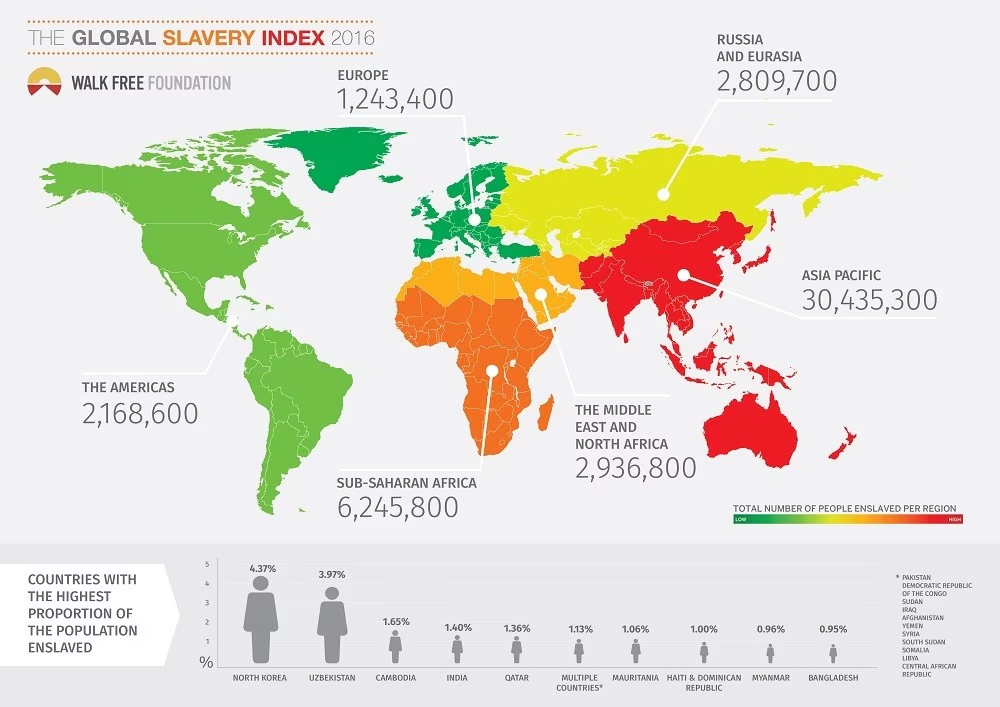
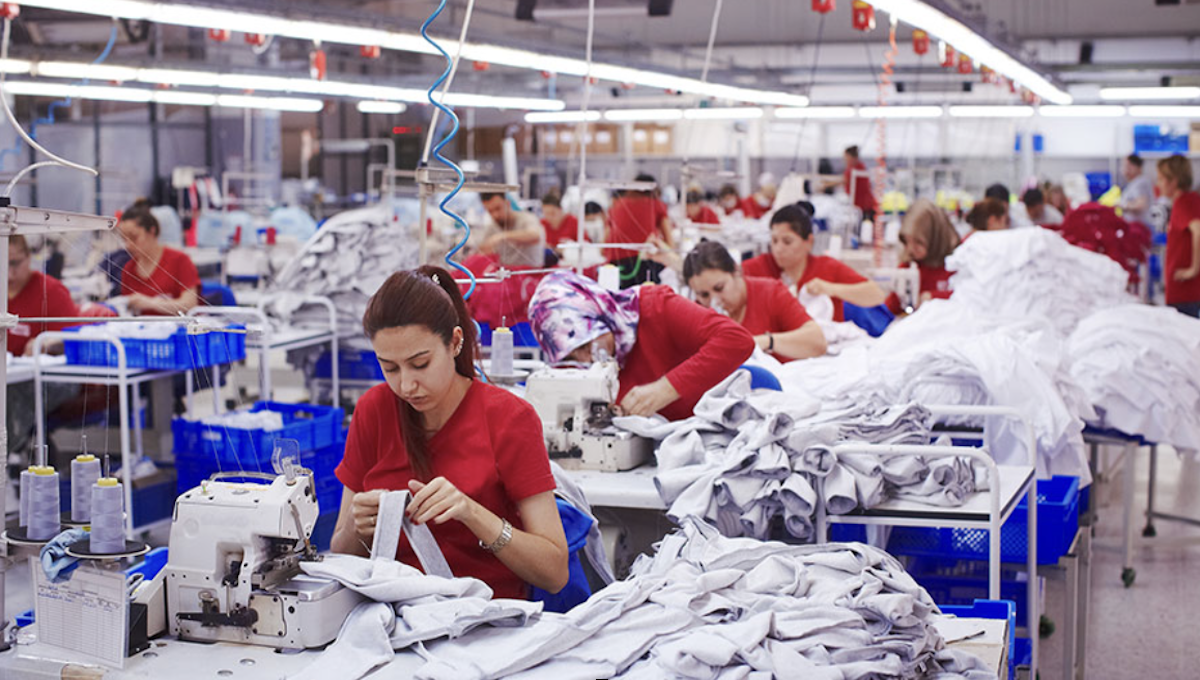
Fast-forward to 2026, and modern slavery, encompassing forced labor, debt bondage, and human trafficking, mirrors this historical role but in a more insidious, globalized form, particularly fueling Western economies through intricate supply chains.
Cobalt, Solar Panels, and the Products Hiding Forced Labor
Cobalt from the Democratic Republic of Congo, essential for batteries in smartphones and electric vehicles, often involves child labor and debt bondage in artisanal mines, supplying tech giants and sustaining the green energy boom in Western markets. Similarly, polysilicon from Xinjiang, China, used in solar panels, has been linked to state-imposed forced labor of Uyghur minorities, powering Europe's renewable energy transition while embedding human rights abuses in supply chains.
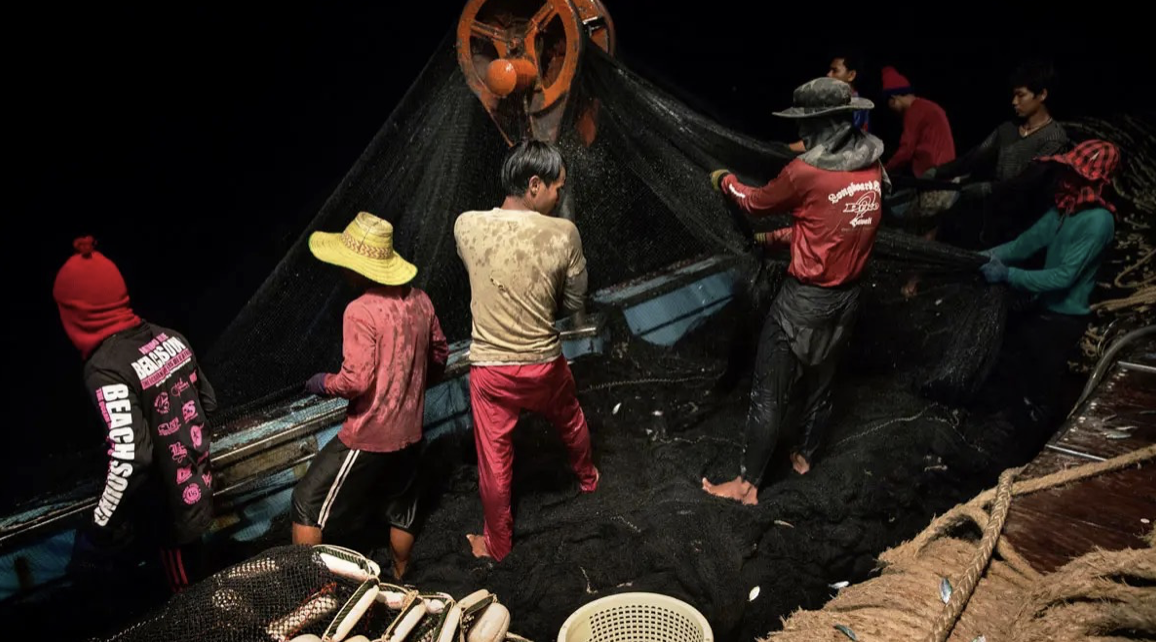
The COVID-19 pandemic and geopolitical tensions have exacerbated this, with complex, multi-tier supply chains hiding exploitation in sectors like healthcare, where Malaysian rubber gloves, vital for Western hospitals, faced bans due to forced labor allegations. Modern slavery sustains Western prosperity by keeping consumer prices low and corporate profits high, much like how historical slavery subsidized empire-building, but now through outsourced, opaque global networks that distort fair competition and perpetuate inequality.
Ancient vs. Modern Slavery: Similarities and Key Differences
Comparing the two eras highlights striking similarities and stark differences. Historically, slavery was overt, legally sanctioned, and integral to empire-building, it provided the manpower for conquests, as in Rome's wars that captured slaves, or the British Empire's plantations that financed industrialization. Today, modern slavery is covert, illegal in most jurisdictions, yet thrives due to economic incentives like low labor costs and lax regulations in developing nations, enabling Western companies to externalize human costs while reaping benefits.
Why Modern Slavery Stays Underdiscussed
Despite its prevalence, modern slavery remains underdiscussed — a silence rooted in convenience, complexity, and vested interests. As a hidden crime, it evades scrutiny because victims are often isolated, coerced into silence, or in remote supply chain layers where oversight is minimal. Statistics are notoriously unreliable: estimates like the 50 million figure are approximations, leading to skepticism and underreporting, as every country has outlawed it, making data collection challenging.
Politically, discussions are muted by economic dependencies, Western governments and corporations prioritize trade relations with nations like China or suppliers in the Global South, where forced labor boosts GDP but risks reputational damage if exposed. Corporate lobbying against stringent laws, such as the UK's Modern Slavery Act, which has been criticized for lacking enforcement teeth, further stifles debate, with 40 percent of businesses non-compliant yet facing little consequence.
Breaking the Chain: What Genuine Change Requires
In essence, slavery's evolution from ancient tool of empire to modern supply chain enabler underscores a persistent truth: human exploitation underpins power structures, whether in pharaohs' tombs or smartphone batteries. Breaking this requires not just laws like the US Uyghur Forced Labor Prevention Act, but genuine transparency, consumer pressure, and global collaboration.
Without confronting why these topics fade from discourse, economic convenience and systemic biases, the chains, though invisible, will continue binding the world's vulnerable to the West's prosperity.
Kai Tutor | The Societal News Team
Follow Us!
It helps decentralize our presence across the web and it's completely free!
Instagram ➤
Youtube ➤
Substack ➤
X.com ➤
Telegram ➤
TikTok ➤