
How Information Controls Nations, Media, Power, and the War for Public Reality
Agenda-Setting: The Power to Define the Battlefield
Media doesn't tell people what to think. It tells them what to think about. That single distinction explains most of political reality.
Control the agenda and you control the battlefield. Cover inflation for six months and ignore immigration, and the electorate organizes around inflation regardless of which problem is actually worse. Framing is even more powerful. The same event reported as a "crime wave" versus a "systemic failure" activates different emotions, assigns different blame, and points toward different solutions. Governments that understand this don't need censorship. They just need to own the dominant frame.
Repetition creates a third lever. Claims repeated often enough feel true — not because people are stupid, but because the brain misreads familiarity as evidence. This affects experts just as much as everyone else.
The educated aren't more resistant to this — they're better at building sophisticated justifications for whatever their in-group already believes.
Pluralistic Ignorance and the Illusion of Consensus
Pluralistic ignorance is when people suppress private doubts because they believe everyone else agrees. Soviet citizens privately knew the system was failing, but assumed their neighbors believed in it, so they performed enthusiasm publicly. The illusion held until 1989, when it collapsed almost simultaneously across the entire bloc.
Nazi Germany achieved total media environment control within 18 months of Hitler's appointment. Rwanda's Radio Milles Collines dehumanized Tutsis for two years before the genocide — research found villages in its broadcast range had measurably higher participation in killings than villages just outside it.
Media Consolidation and Structural Control
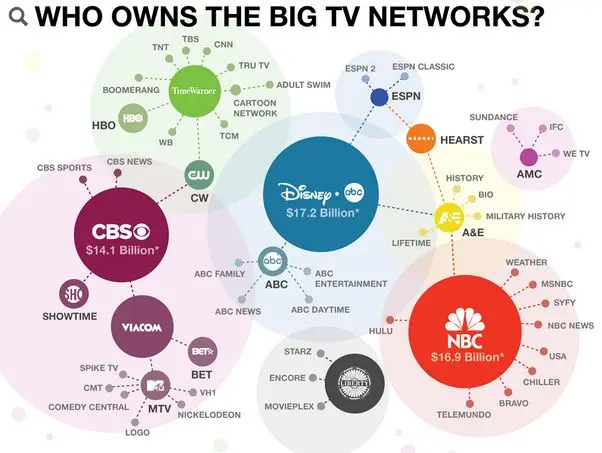
In the U.S., media ownership consolidated from roughly 50 major companies in 1983 to around 6 today. Trust in newspapers fell from 51 percent in 1979 to 18 percent in 2022. Facebook's own internal research showed its algorithm amplified high-emotion content at 6 times the rate of neutral content — not by executive decision, but as the automatic output of an engagement-optimization function.
The control relationship in democracies is structural. Reporters self-censor to protect access. Editors pull punches to protect advertisers. Journalists adopt the consensus view of prestige outlets to protect careers. The outcome is systematic. The Iraq WMD failure, the 2008 financial crisis coverage, the missed story of American deindustrialization — these weren't censorship.
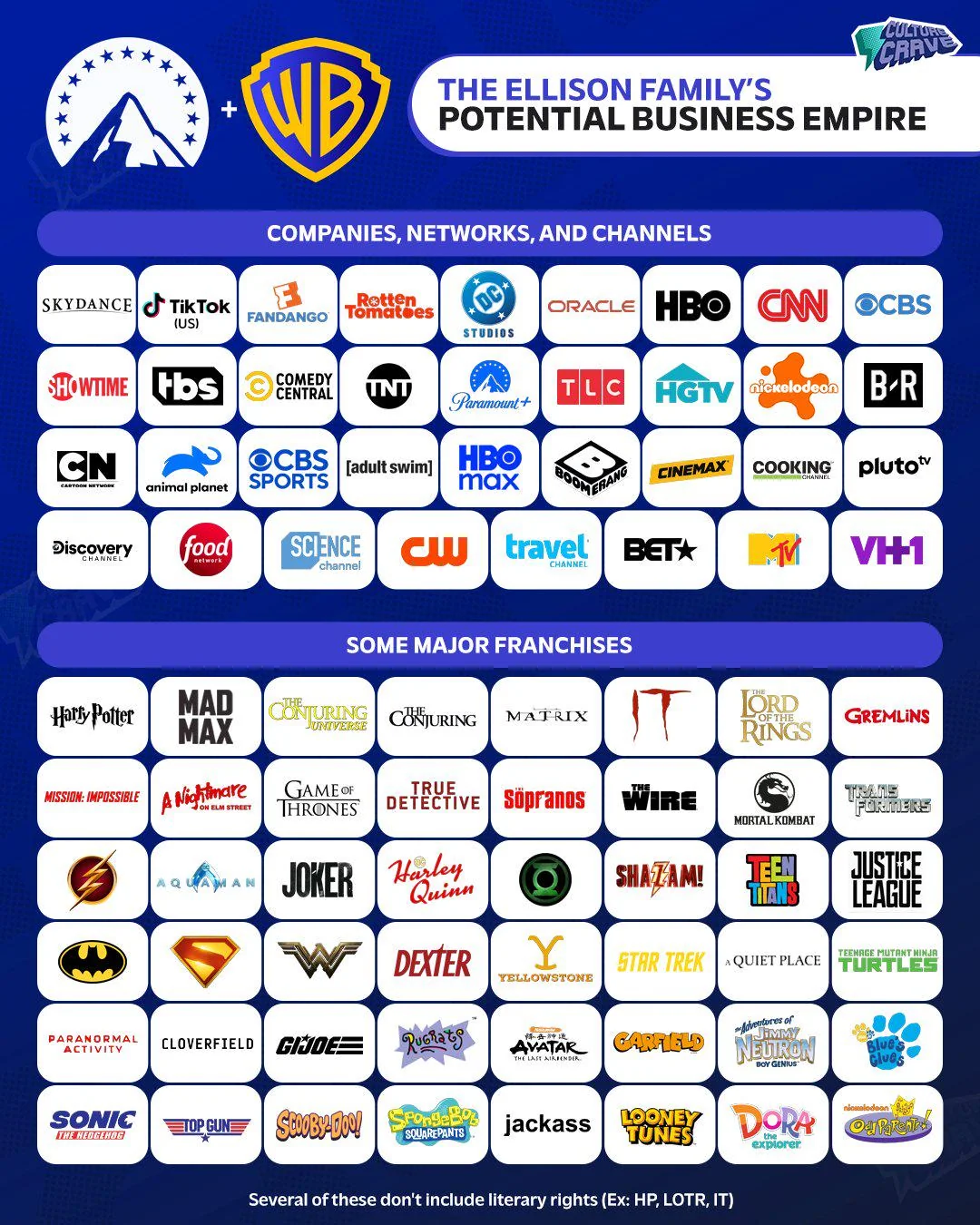
They were structural alignment between institutional media and powerful actors.
Independent Media and the New Problems It Creates
Independent media corrects some of this and introduces new problems. Without institutional backing, independent journalists face brutal financial pressure to build personal brands, which pushes toward sensationalism and audience capture — telling subscribers what they want to hear rather than what's true. The result is a divided information environment: captured institutional media on one side, audience-captured independent media on the other.
Epistemic Exhaustion: The Most Effective Modern Propaganda
The most effective modern information control isn't censorship — it's flooding the market. Russia's strategy in the 2010s wasn't "suppress the truth." It was "make truth indeterminate" — produce so much noise, so many competing narratives, so many pseudo-controversies that the signal becomes impossible to locate. The goal isn't to convince people of a specific lie. It's epistemic exhaustion and cynicism.
The Paradox: Information Control Destroys the Controller
There's a deeper paradox that almost nobody discusses. Every sophisticated information control system — state propaganda, corporate media strategy, algorithmic platform — faces the same ceiling. The more effectively it controls the information environment, the more it degrades the quality of feedback the controller receives about the world.
Stalin's information monopoly meant he received systematically distorted intelligence about his own military capacity before Operation Barbarossa. The U.S. administration that successfully managed the narrative around the Iraq War deprived itself of accurate signals about the occupation's trajectory until the insurgency was already unmanageable. Information control is a power tool that, when fully deployed, destroys the epistemic foundation on which effective power rests.
The Ten-Year Trajectory
The most likely trajectory over the next decade isn't dramatic collapse — it's accumulated dysfunction. Institutional media keeps declining. Independent media breaks into a small high-quality tier and a large outrage-economics tier. AI-generated content floods the environment, making source verification harder. Governance gets worse not through crisis but through the slow accumulation of decisions made on incompatible factual premises by populations who no longer share a common picture of reality.
The real damage from information warfare won't come from successful manipulation of target populations. It will come from the degradation of the information environments of the controllers themselves — governments and institutions making increasingly poor decisions because the systems they built to control others have poisoned their own signal. That failure will be visible within a decade. And it will be misattributed to almost everything except its actual cause.
Kai Tutor | The Societal News Team