Israel's War in Lebanon and the Iran Conflict, March 2026
How Operation Epic Fury Started the War
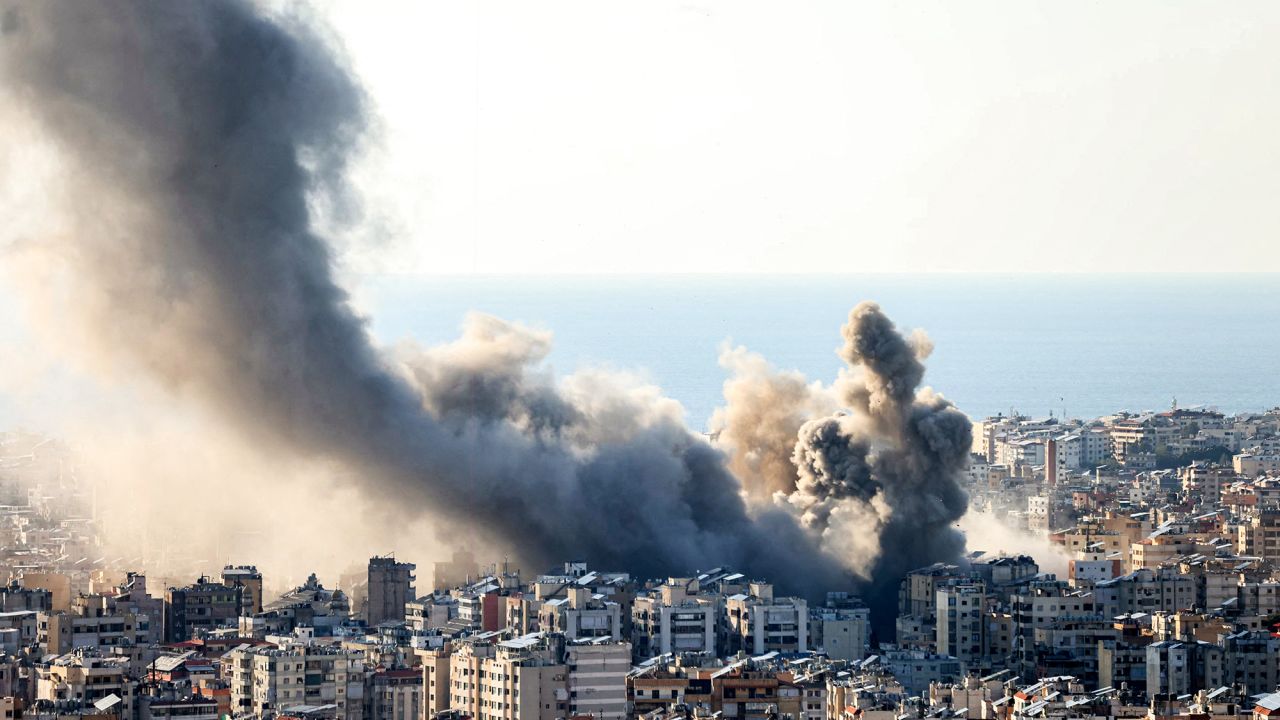
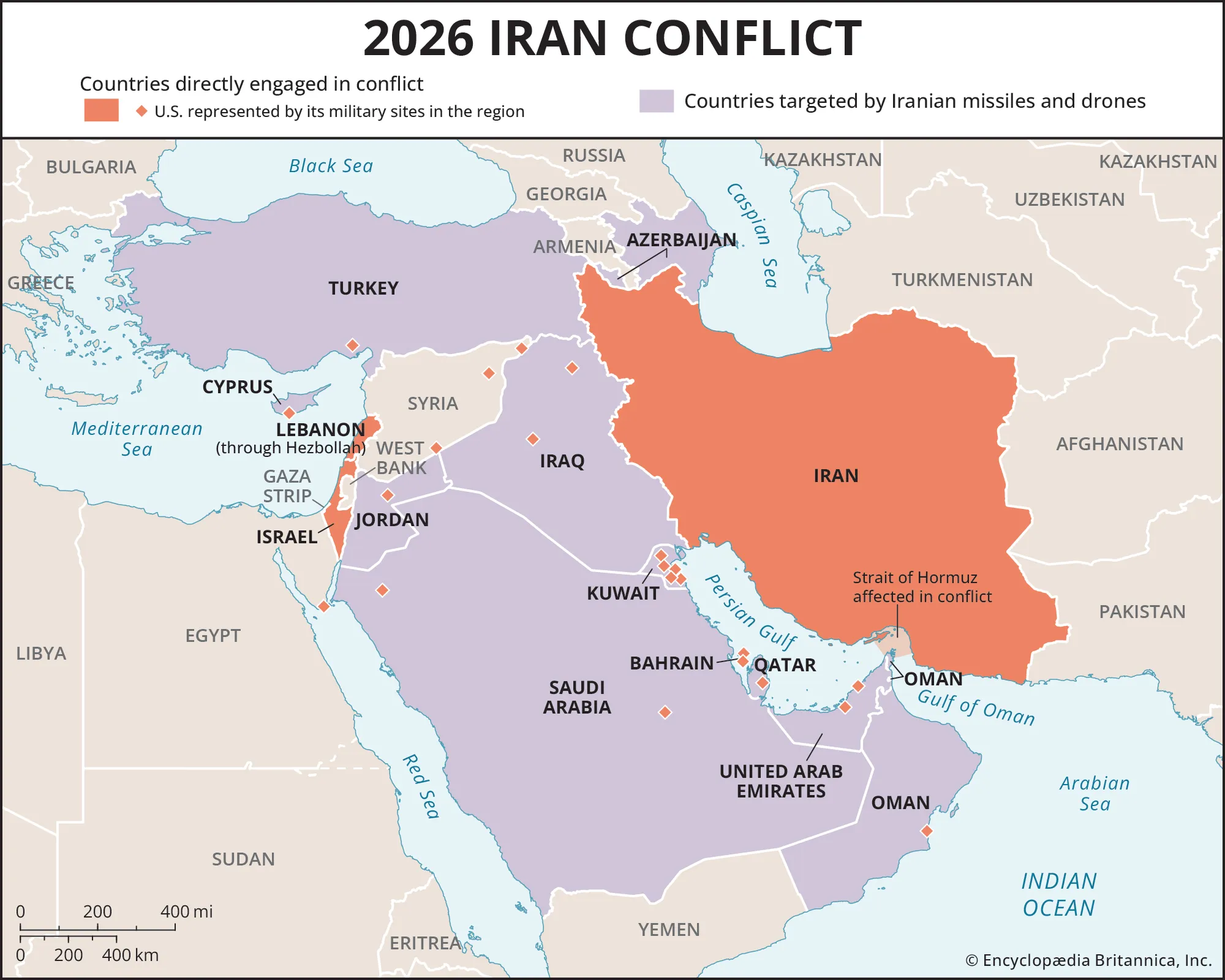
Israel's 2026 war in Lebanon cannot be understood without the event that started it. On February 28, the United States and Israel assassinated Iranian Supreme Leader Ali Khamenei and launched Operation Epic Fury — nearly 900 strikes in the first 12 hours that killed over 2,000 people across Iran, Lebanon, and Israel combined, halted flights across the Middle East, and sent global shipping into emergency reroutes away from the Strait of Hormuz.
Hezbollah's March 2nd missile barrage on Israel, the trigger for the current Lebanon campaign, was a direct response. But Hezbollah quickly stopped describing it as fighting on Iran's behalf and rebranded it as Lebanese self-defense — a telling reframe that revealed exactly how politically toxic the Iranian connection had become with their own Lebanese Shia base.
The Lebanese government went further than anyone expected, formally proscribing Hezbollah's military activities, ordering IRGC officers out of the country, and condemning the missile strikes as acts outside Lebanese sovereign authority. It was the clearest public confirmation in the organization's history that Hezbollah crossed a line in service of Tehran rather than Beirut.
The Ground Campaign in Southern Lebanon
On the ground, Israel is pushing a three-division ground operation south of the Litani River, evacuating Tyre and Nabatieh, and maintaining five military positions inside Lebanese territory it never vacated after the November 2024 ceasefire — which was always a legal fiction both sides violated routinely.
The Lebanon campaign follows military-security logic. The objective is to establish a deep buffer zone that prevents Hezbollah from operating within missile range of northern Israeli cities, and to destroy the tunnel and missile infrastructure that Hezbollah rebuilt in the years between the 2006 and 2024 conflicts.
The West Bank: The Story Nobody Is Covering
The part almost no one is covering adequately is what is happening in the West Bank while the attention points at Beirut and Tehran. Israel has allocated 244 million NIS to register Palestinian land in Area C as Israeli state land, transferred civilian administrative authority over territory the Palestinian Authority is supposed to govern under Oslo, and accelerated settler infrastructure — all deliberately timed to exploit the regional distraction.
The West Bank project follows a different and quieter logic than the Lebanon campaign: permanent demographic and legal fait accompli. While the world watches missile strikes and air raids, the legal architecture of annexation is being assembled piece by piece.
The Destroyed Diplomatic Track
The deepest problem with the entire US-Israeli strategic framework is the assumption that killing Khamenei and degrading Iran's conventional military resolves the nuclear threat. The actual most likely outcome is a post-Khamenei IRGC-dominated leadership with maximum hardline incentive, degraded conventional options, and a clandestine nuclear program that just became the only remaining deterrent Iran trusts.
Oman reported a diplomatic breakthrough the day before the strikes, with Iran agreeing to never stockpile enriched uranium and accept full IAEA verification — a claim the US disputes but has never fully refuted. If accurate, the United States launched a regional war the day after Iran agreed to the core demand. That would make this not a defensive operation but a deliberate destruction of a viable diplomatic track in favor of a military reshaping of the region whose long-term consequences no one in Washington or Jerusalem has seriously modeled.
The Ten-Year Outlook
The most likely ten-year outcome is not Greater Israel in any biblical sense but something more structurally durable and more strategically hollow: a militarily dominant Israel surrounded by devastated peripheries it cannot govern and cannot leave, a West Bank that has crossed the threshold of irreversible de facto annexation, a Lebanon trapped in permanent buffer-zone limbo, and an Iran that emerges in five to seven years as a nuclear threshold state whose leadership learned exactly one lesson from Khamenei's death — that conventional restraint gets you killed and nuclear deterrence is the only guarantee that matters.
Kai Tutor | The Societal News Team