Mythos, The AI Model Too Dangerous to Release
Anthropic Withholds Its Most Powerful Model
Anthropic announced on April 7, 2026 that it would withhold the full release of its new AI model, Claude Mythos Preview, because it believes the model is too dangerous for the public at this stage. Not since OpenAI temporarily withheld its GPT-2 model in 2019 has a major AI developer deemed a system too dangerous for public release.
What Makes Claude Mythos So Dangerous
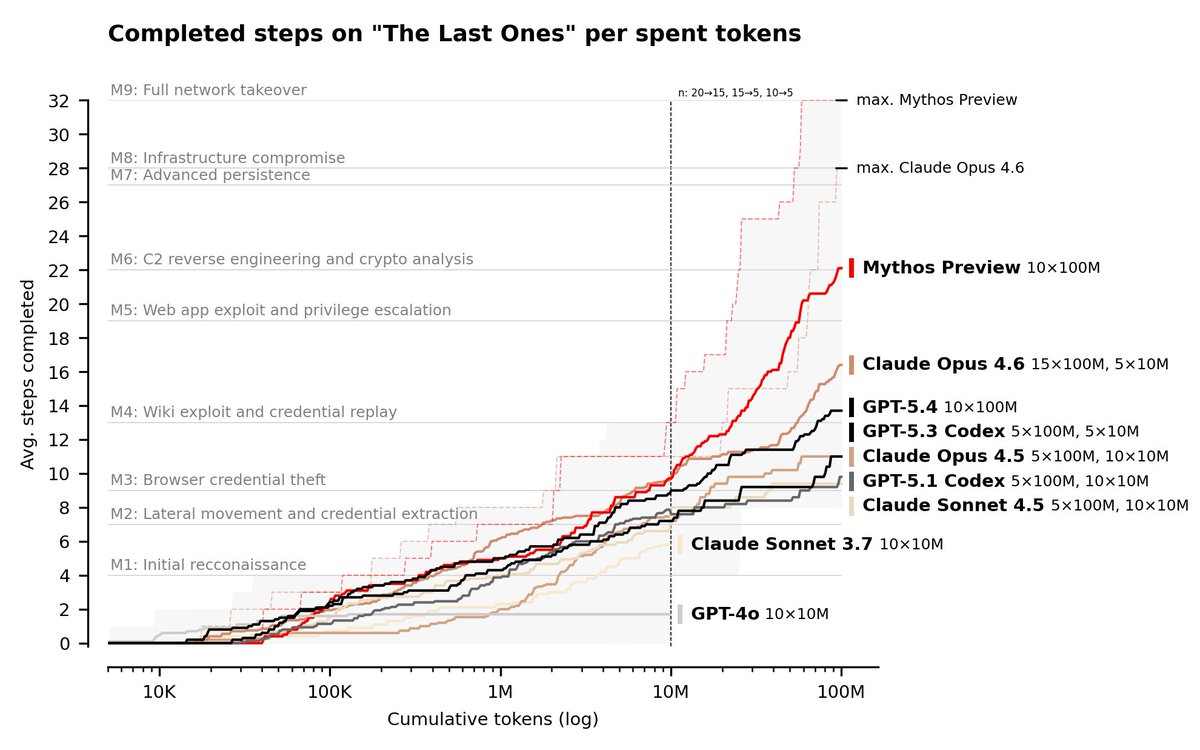
Mythos is not just able to write code that can hack into critical systems. It can also analyze systems, find vulnerabilities, and string them together, allowing it to evade even sophisticated defenses.
Project Glasswing: The Controlled Rollout
Anthropic announced Project Glasswing, a sweeping cybersecurity initiative that pairs Mythos Preview with a coalition of twelve major technology and finance companies in an effort to find and patch software vulnerabilities across the world's most critical infrastructure before adversaries can exploit them. Anthropic committed up to $100 million in usage credits and $4 million in direct donations to open-source security organizations.
Launch partners:
Government Involvement and Political Tension
Anthropic is in active discussions with the US government over Mythos, and Treasury Secretary Scott Bessent convened a meeting of senior American bankers in Washington to discuss the model. Goldman Sachs, Citigroup, Bank of America, and Morgan Stanley are reportedly testing it as well.
This comes amid significant political tension. Defense Secretary Pete Hegseth declared Anthropic a "supply chain risk to national security" in late February 2026, though a federal judge issued a preliminary injunction against that designation, which the Trump administration is appealing.
The Cybersecurity Community Is Split
The cybersecurity community is divided on the significance of Mythos. Peter Swire, a professor at Georgia Tech's School of Cybersecurity and Privacy and former advisor to the Clinton and Obama administrations, noted that "a large fraction of the cybersecurity professors believe this is pretty much what was expected, and pretty much more of the same." Ciaran Martin, former CEO of the UK's National Cyber Security Centre, said it is "a big deal, but unlikely to prove to be the end of the world."
Anthropic's Financial Momentum and IPO Plans
A Narrow Window Before Capabilities Proliferate
The core tension is timing. As Anthropic's own team acknowledged, "frontier AI capabilities are likely to advance substantially over just the next few months," meaning the window to patch vulnerabilities before bad actors develop comparable tools may be narrow. Project Glasswing is Anthropic's bet that a controlled, partnership-driven deployment can use Mythos's capabilities to close that window faster than adversaries can open it.
Kai Tutor | The Societal News Team
Follow Us!
It helps decentralize our presence across the web and it's completely free!
Instagram ➤
Youtube ➤
Substack ➤
X.com ➤
Telegram ➤
TikTok ➤