A Week of Broken Truces: How Russia's Victory Day Ceasefire Collapsed and What Rescued It
Both sides declared ceasefires. Both sides violated them within hours. Then Trump called Putin and Zelensky directly and changed the week.
A Note on This Week
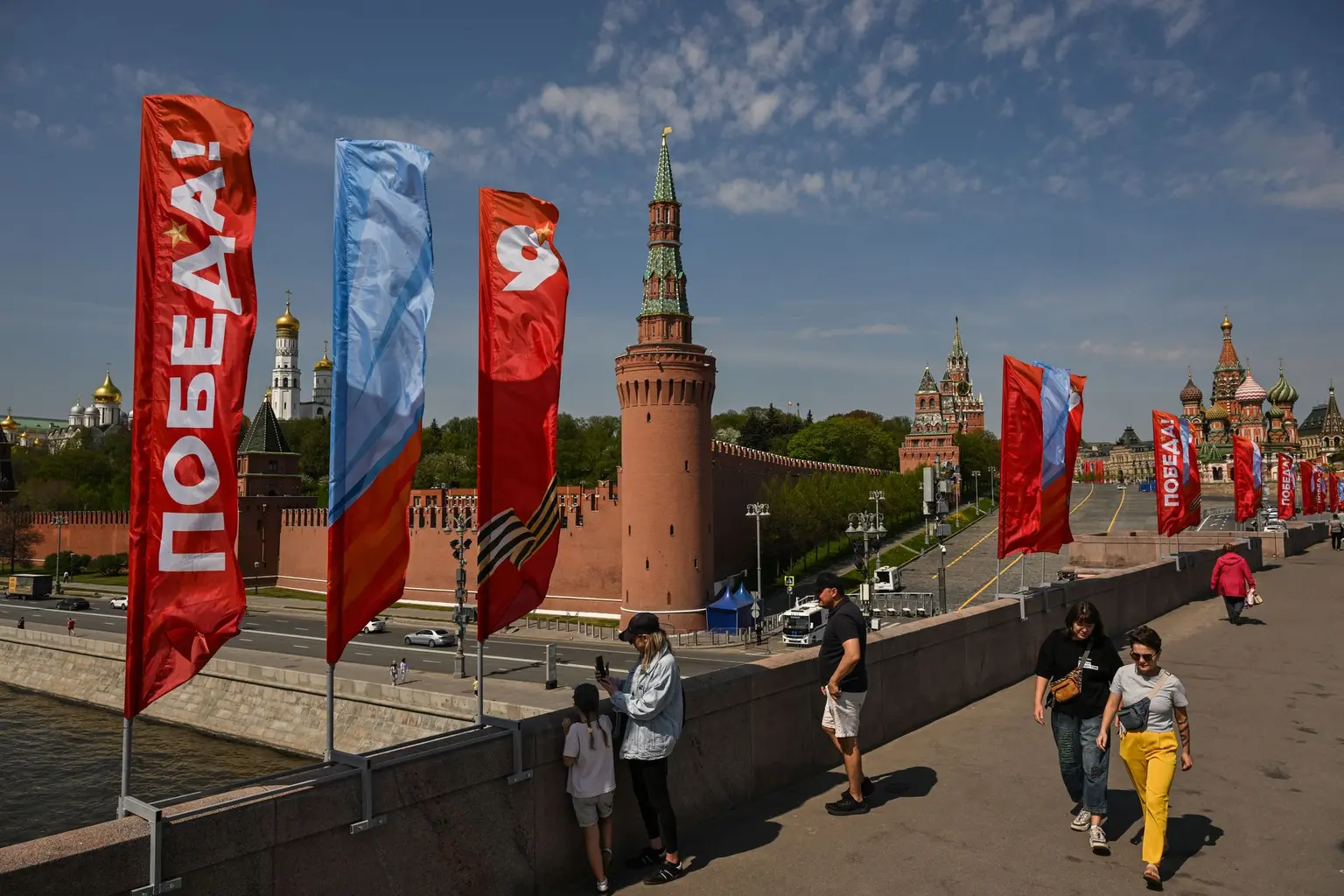
Russia's 81st Victory Day celebration, held May 9 on Moscow's Red Square, was always going to be laden with symbolism. What few could have predicted was just how chaotic the days surrounding it would become a week defined by rival ceasefires, mutual accusations of violations, drone swarms over front-line towns, a parade stripped of its tanks for the first time in nearly two decades, and an eleventh-hour diplomatic intervention from Washington.
The facts presented here are drawn from Ukraine's General Staff, Russia's Defense Ministry, the Kyiv Independent, Al Jazeera, NPR, PBS NewsHour, CNN, ABC News, CBS News, NBC News, The Moscow Times, and the Associated Press. Where accounts conflict, and they frequently do, both versions are presented.
Two Competing Ceasefires, Zero Compliance
The confusion began not with one ceasefire proposal but two, declared unilaterally by opposing sides, covering different dates, with neither side coordinating with the other.
Ukraine moved first. President Volodymyr Zelensky announced a ceasefire beginning at midnight on May 6, framed explicitly as a test a way to determine whether Moscow had any genuine interest in halting hostilities. Russia did not respond formally, and fighting continued almost immediately. Zelensky later said Russian forces violated Ukraine's ceasefire 1,820 times within hours of it taking effect, while Moscow countered that Ukrainian forces had attacked Russian-held territory and occupied Crimea during the same period.
Russia then announced its own unilateral pause on the evening of May 7, to run from midnight on May 8 through May 10, timed precisely to bracket the Victory Day celebrations on May 9. The Kremlin framed it as a humanitarian gesture. Zelensky rejected it as political theater, noting that Moscow never approached Kyiv with a mutual ceasefire proposal and made the announcement without any coordination.
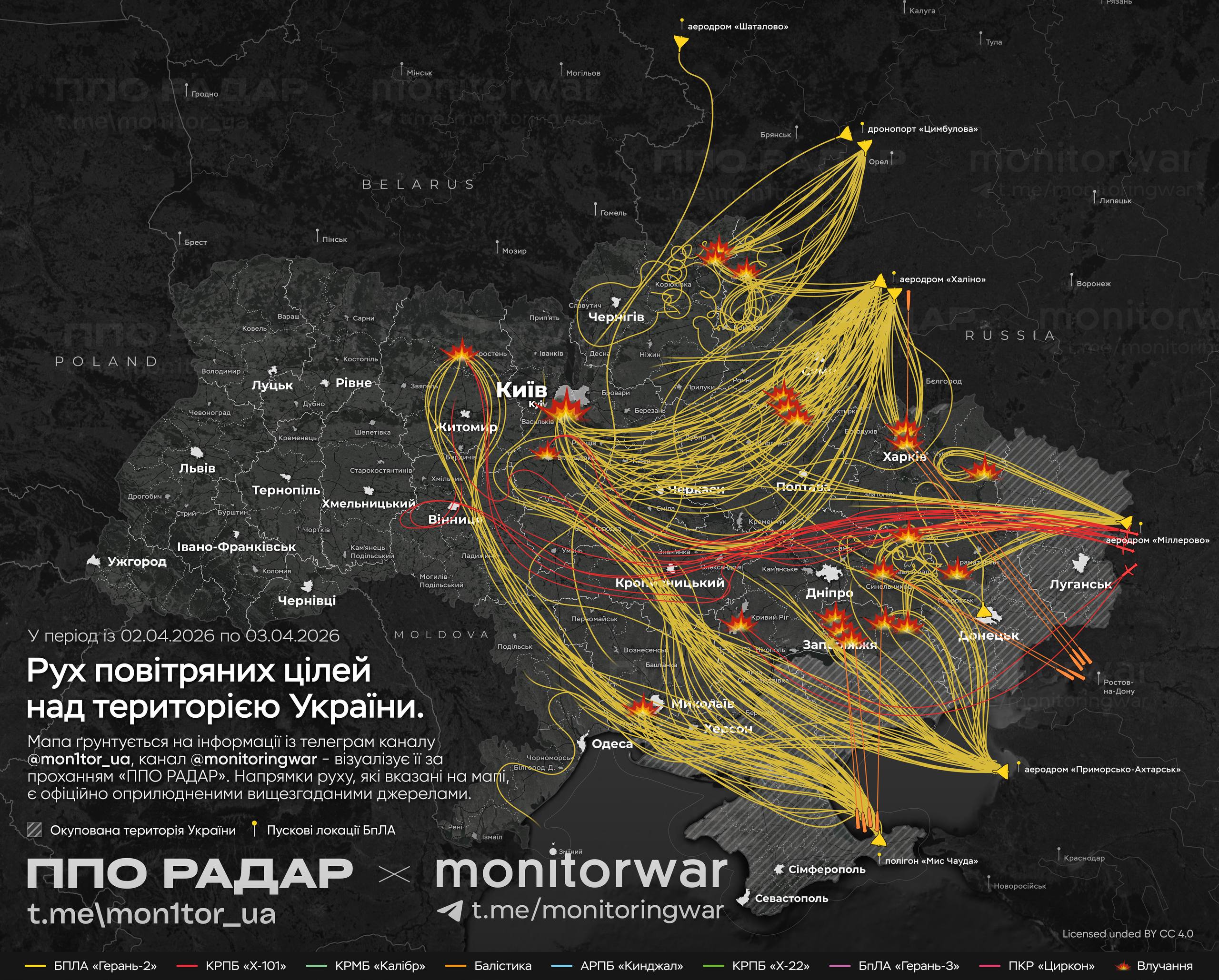
The results on the ground told their own story. By 7 a.m. local time on May 8, hours into Russia's self-declared ceasefire, more than 140 strikes on Ukrainian front-line positions had been recorded. Russian forces carried out 10 assaults overnight, concentrated primarily in the Sloviansk sector, and launched more than 850 drone strikes using FPV drones, Lancet loitering munitions, and other systems. Russian reconnaissance drones continued flying over front-line communities through the night.
Ukraine's Air Force reported that Russia launched 67 long-range drones against Ukrainian territory during the same overnight window, 56 were intercepted, 11 got through and struck eight locations, with debris reported at seven additional sites. Russia's Defense Ministry said it had shot down 264 Ukrainian drones across 15 regions, including Moscow Oblast, and over occupied Crimea and the Black and Azov Seas.
Each side claimed to have stopped fighting. Each side accused the other of continuing anyway. No independent verification was possible in front line areas.
The Drone War That Shrank the Parade
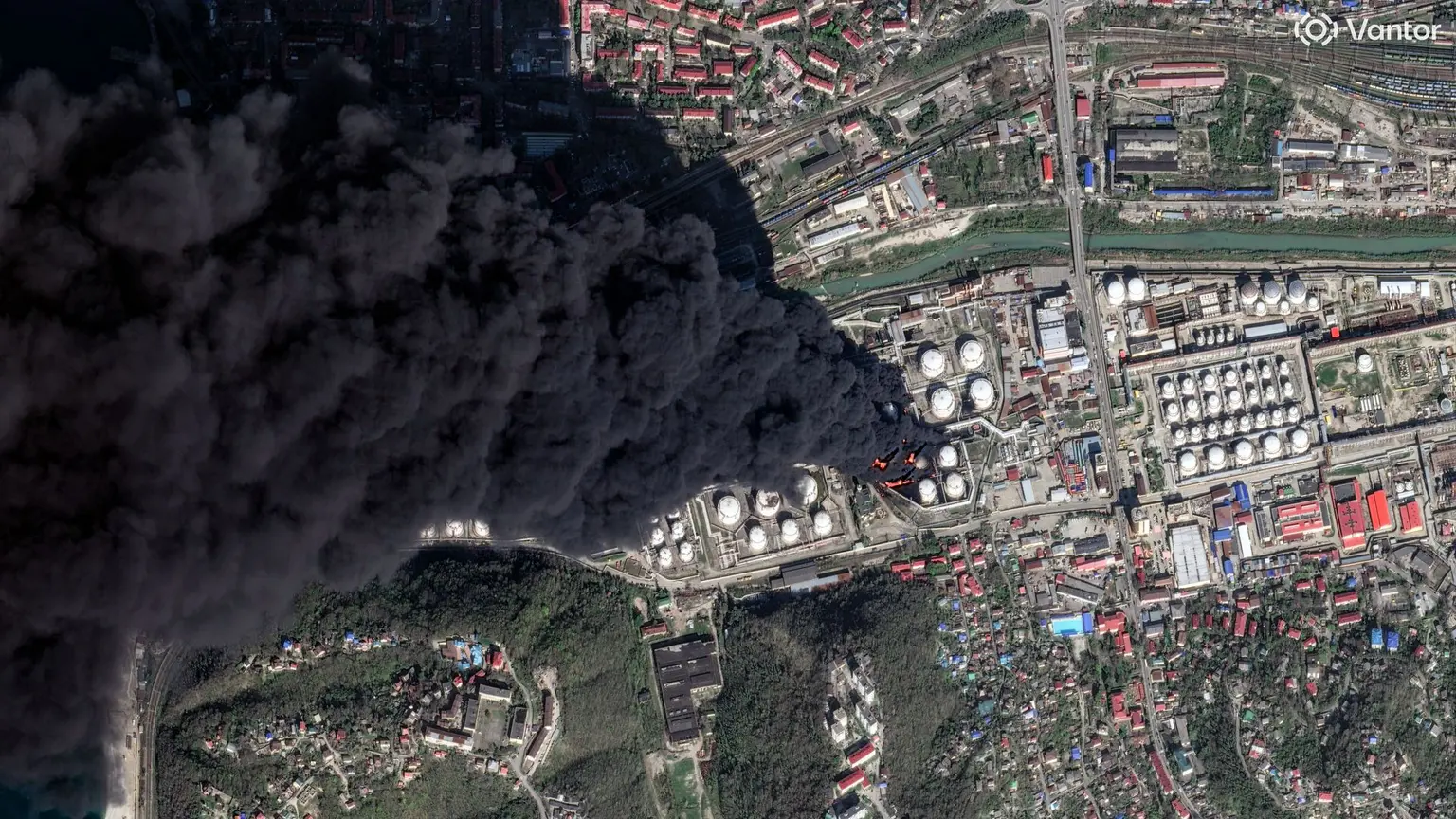
Behind the ceasefire chaos lay a more consequential strategic reality: Ukraine's long-range drone campaign has fundamentally changed what Russia can display publicly, and where.
For the first time in nearly two decades, the May 9 Victory Day parade on Red Square featured no tanks, no ballistic missile carriers, no Iskander systems rolling across the cobblestones. Russian officials cited the "current operational situation" and the need to prioritize equipment at the front. Putin, speaking to reporters afterward, said plainly that the military's hardware was needed on the battlefield in Ukraine. The 45-minute parade showed pre-recorded video of Russian military equipment deployed in Ukraine instead — screened on large displays in Red Square.
For the first time, North Korean troops marched in the parade — a public tribute to Pyongyang's decision to send soldiers to fight alongside Russian forces in the Kursk region. Russian servicemen who had fought in Ukraine also marched, and a veteran of the "special military operation" sat beside Putin during the ceremony. Most international press had to rely on Russian state media footage to cover the event.
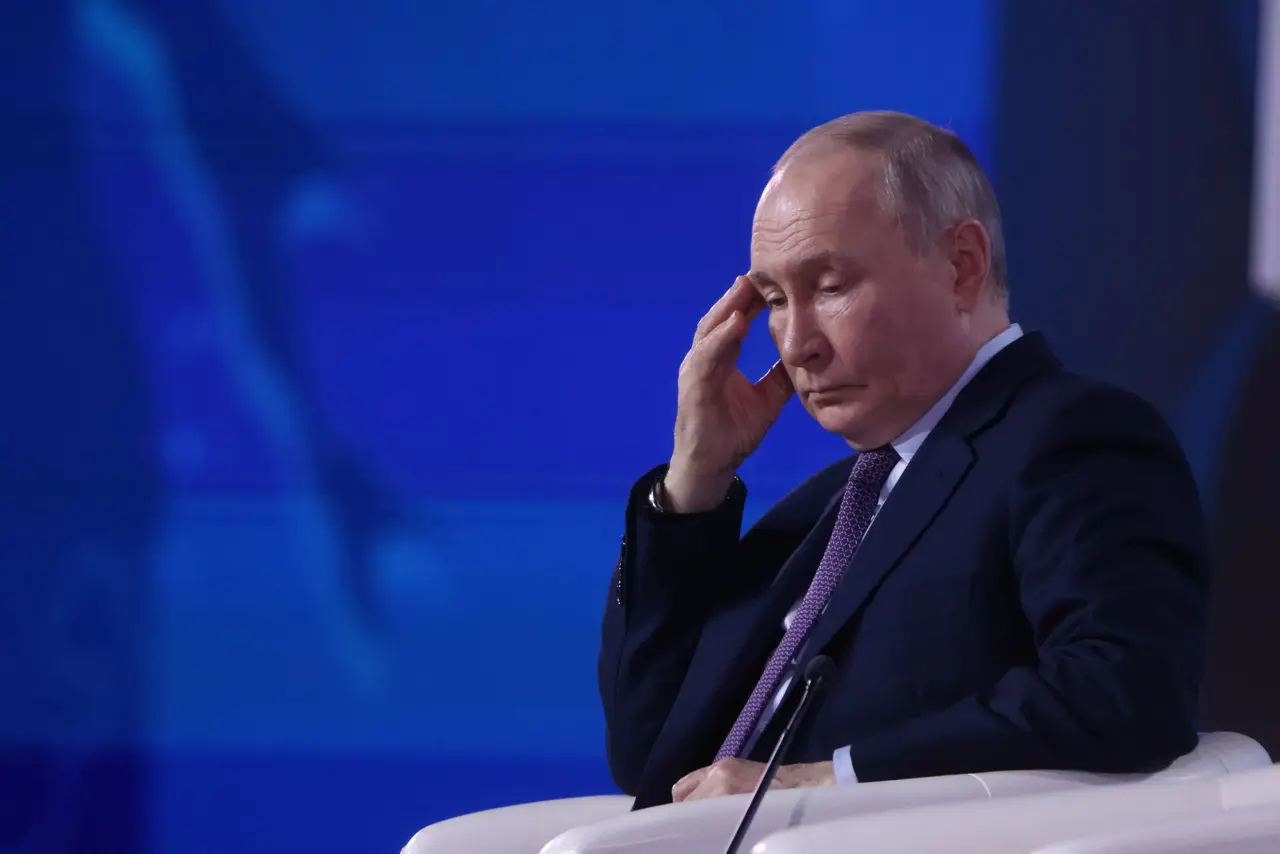
Putin, speaking from the podium, invoked the Soviet generation's sacrifice in the Great Patriotic War. "The great feat of the victorious generation inspires the soldiers carrying out tasks of the special military operation today," he said. "They face an aggressive force that is armed and supported by the entire NATO bloc. And yet, our heroes march forward." He declared that Russia's war in Ukraine is "coming to an end" and said he could meet Zelensky in a third country — but only "after a peace treaty aimed at a long-term historic perspective is finalized."
Fewer world leaders attended than in 2025, when Xi Jinping and 26 other heads of state were present. Slovakia's Prime Minister Robert Fico attended but laid flowers at the Tomb of the Unknown Soldier outside the Kremlin walls and avoided the parade itself, a distinction that drew public criticism from German Chancellor Friedrich Merz, who said he "deeply regretted" Fico's trip to Moscow.
Trump's Intervention and What It Actually Achieved
The collapse of both unilateral ceasefires was ultimately resolved, at least on paper, by a Truth Social post and direct phone calls from the U.S. president.
On May 8, as both sides traded accusations of violations and Russia's Foreign Ministry warned foreign diplomatic missions to withdraw personnel from Kyiv ahead of what it described as an "inevitable retaliatory strike," President Donald Trump announced on Truth Social that he had secured a new ceasefire.
Kremlin foreign affairs adviser Yuri Ushakov confirmed the deal, saying the "agreement on this matter was reached during our telephone contacts with the U.S. administration." Zelensky confirmed on Telegram, framing his agreement around the prisoner exchange: "Red Square matters less to us than the lives of Ukrainian prisoners of war who can be brought home."
Zelensky also issued a formal presidential decree "authorizing" Russia to hold its Victory Day parade and declaring Red Square temporarily off-limits for Ukrainian strikes — a move widely read as Kyiv underscoring its claimed targeting reach over the Russian capital while publicly tying Ukrainian restraint to the ceasefire terms. Kremlin spokesman Dmitry Peskov dismissed the decree as a "silly joke." "We don't need anyone's permission to be proud of our Victory Day," he said.
Zelensky made clear that Ukraine expected Washington to hold Russia accountable: "We are counting on the United States to ensure that Russia fulfills its commitments." He instructed his team to prepare for the prisoner exchange "without delay."
Hours after the announcement, the pattern repeated itself. Russia's Defense Ministry accused Ukrainian forces of launching drone and artillery attacks despite the declared truce. Ukraine did not publicly confirm or deny specific incidents on May 9.
How the Three Ceasefire Proposals Compared
| Proposal | Declared By | Dates | Mutual? | Prisoner Swap? | Outcome |
|---|---|---|---|---|---|
| Ukrainian unilateral ceasefire | Zelensky | May 6–7 | No | No | Collapsed within hours; 1,820 alleged Russian violations |
| Russian unilateral ceasefire | Putin / Kremlin | May 8–10 | No | No | Collapsed within hours; 140+ strikes recorded on May 8 morning |
| US-brokered ceasefire | Trump (bilateral) | May 9–11 | Yes | Yes — 1,000 for 1,000 | Confirmed by both sides; violations alleged within hours of May 9 |
The Trump-brokered deal extended Russia's original two-day window by a full day and added the prisoner swap — a tangible humanitarian element absent from both unilateral proposals. It also differed fundamentally in structure: both sides accepted it, rather than each declaring it unilaterally and accusing the other of non-compliance.
UN Secretary-General António Guterres welcomed the announcement, calling through his spokesperson for an "unconditional and lasting ceasefire, as a first step toward a just, sustainable and comprehensive peace." The statement reflected a broader international view: the three-day pause, however imperfect, was a step forward. Whether it would hold was another matter.
What This Week Reveals About the War
Unilateral ceasefires accomplish nothing without enforcement. Both the Russian and Ukrainian truces collapsed within hours, overtaken by battlefield momentum and the absence of any monitoring mechanism. The pattern repeated a dynamic seen at Easter earlier this year, when a Russian 30-hour ceasefire similarly dissolved into mutual accusations.
The United States remains the only available diplomatic circuit-breaker. The US-mediated agreement succeeded where both unilateral efforts failed, not because its terms were stronger, but because both sides had a third-party interlocutor they were unwilling to openly embarrass. That both Putin and Zelensky agreed "readily" when asked by Trump underscores how much leverage Washington retains, even as Secretary of State Marco Rubio warned, just hours before Trump's announcement, that negotiations had "stagnated" and produced no "fruitful outcome." The contradiction between Rubio's assessment and Trump's success in the same afternoon says something about the personalized, leader-to-leader nature of Trump's diplomacy.
A durable peace remains distant. Putin said he would meet Zelensky in a third country, but only to ratify a comprehensive accord already finalized in advance, not to negotiate one. Zelensky has proposed direct talks but ruled out traveling to Moscow. The 1,000-prisoner exchange, genuinely significant for the individuals involved, resolves nothing about the fundamental question: what does the map look like at the end of this war, and who gets to decide?
Russia's military has been making slow but steady gains along the more than 1,000-kilometer front line. Ukraine has matched those gains with increasingly precise long-range strikes deep inside Russia. Both dynamics were present throughout this week. A ceasefire did not stop either.
What Comes Next
Whether the May 9–11 ceasefire holds in full, and whether it opens space for something longer, was still being watched as this article went to press. The war's history of collapsed truces counsels skepticism. But the involvement of a U.S. president willing to call both leaders personally and to claim personal credit for what results has at minimum changed the diplomatic conversation, if not yet the facts on the ground.
The week of May 6–10, 2026 will be remembered for several things: the first major Victory Day parade in nearly two decades without tanks; the first time North Korean troops marched on Red Square; three ceasefires in five days, two of which collapsed within hours; and a prisoner deal that, if it holds, will bring 2,000 people home from captivity.
It will also be remembered as a week that showed, without ambiguity, that Ukraine's drones have changed what is possible, not just on the battlefield, but on the steps of the Kremlin.
Kai Tutor | The Societal News Team
Follow Us!
It helps decentralize our presence across the web and it's completely free!
Instagram ➤
Youtube ➤
Substack ➤
X.com ➤
Telegram ➤
TikTok ➤