Ukraine Switched from American to French Intel. Why? Trump.
France Now Provides Two-Thirds of Ukraine's Foreign Intelligence
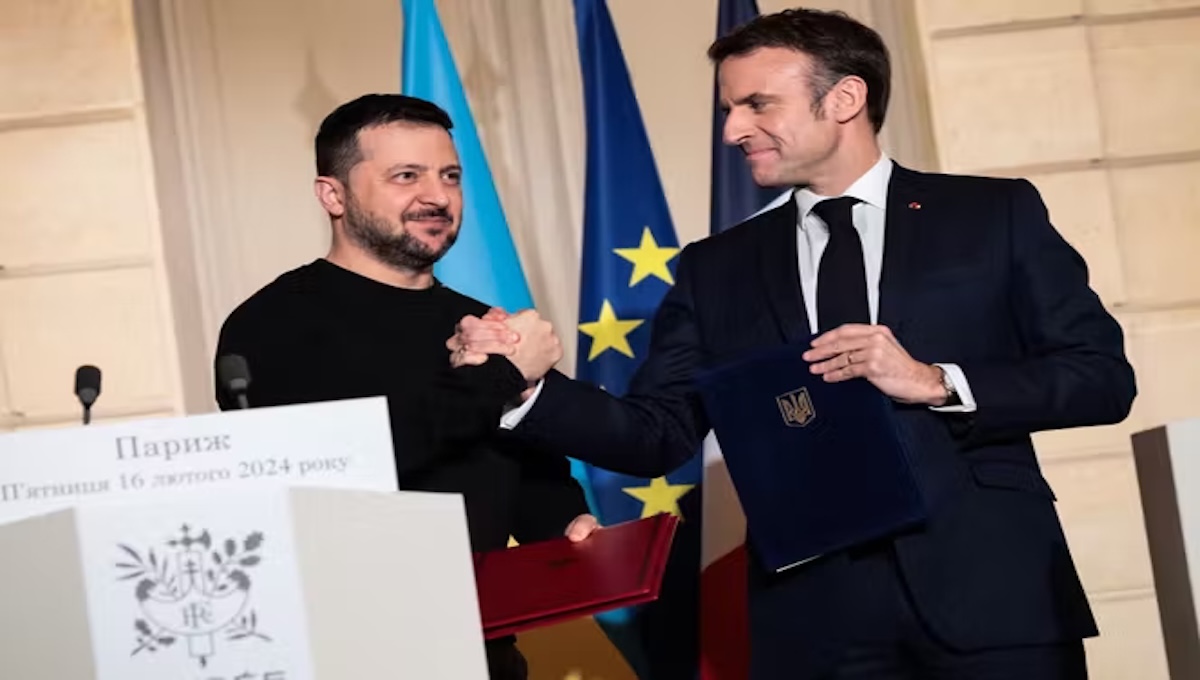
In a striking realignment amid the ongoing Russia-Ukraine war, France has emerged as Ukraine's primary intelligence provider, supplying two-thirds of the country's partner-sourced intel as of January 2026. French President Emmanuel Macron's announcement on January 15, 2026, during a speech to the military at Istres air base, underscored this shift. Ukraine was "extremely dependent" on U.S. intelligence a year prior. France now fills the bulk of that role. This pivot is due to the U.S. political volatility under President Donald Trump, who has wielded intel-sharing as leverage to force Kyiv into peace negotiations with Moscow.
Prior position: Ukraine was "extremely dependent" on US intelligence in early 2025
Trigger: Trump administration suspended intel sharing in March 2025
Duration of suspension: approximately one week
Immediate battlefield impact: Ukrainian losses spiked 10-15% during the pause
Macron announcement: January 15, 2026, Istres air base speech
The Trigger: Trump's Intel Pause
The catalyst came in March 2025, when the Trump administration suspended intelligence sharing with Ukraine to pressure President Volodymyr Zelenskyy into cooperating with U.S. led ceasefire talks with Russia. The pause followed a heated Oval Office meeting on February 28, 2025, where Trump publicly berated Zelenskyy. National Security Adviser Mike Waltz confirmed the move, describing it as a "step back" to review the U.S. Ukraine relationship. The suspension was brief, lasting about a week before resuming after positive talks, but it inflicted operational setbacks, with Ukrainian losses spiking 10-15% in the short term due to disrupted targeting data. This wasn't the first instance, the Trump administration had previously used aid and intel as bargaining chips, eroding trust and prompting Kyiv to seek alternatives.
France Steps In
French officials responded swiftly. The then Defense Minister Sébastien Lecornu (now prime minister) declared on March 6, 2025, that France's intelligence support for Kyiv was "sovereign" and unaffected by the U.S. freeze, committing to accelerate aid packages to compensate. Lecornu emphasized the "significant operational impact" on Ukraine but positioned France as a reliable bridge. This immediate step-in marked the beginning of a structural pivot, as Europe recognized the need to insulate Ukraine from American "political instability".
By mid-2025, France had ramped up its contributions, focusing on technical intelligence, satellite imagery, signals intelligence (SIGINT), and rapid commercial reconnaissance. Macron's January 2026 statement gave numbers to the change, France now provides two-thirds of Ukraine's foreign intelligence, a reversal from near-total U.S. dominance in early 2025. A French defense official clarified that this encompasses mostly technical capabilities, declining specifics for security reasons. Ukraine's military intelligence agency (GUR) declined comment, but Western officials affirm the shift addresses Kyiv's "heavy dependence" on Washington.
This Isn't a Complete US Withdrawal
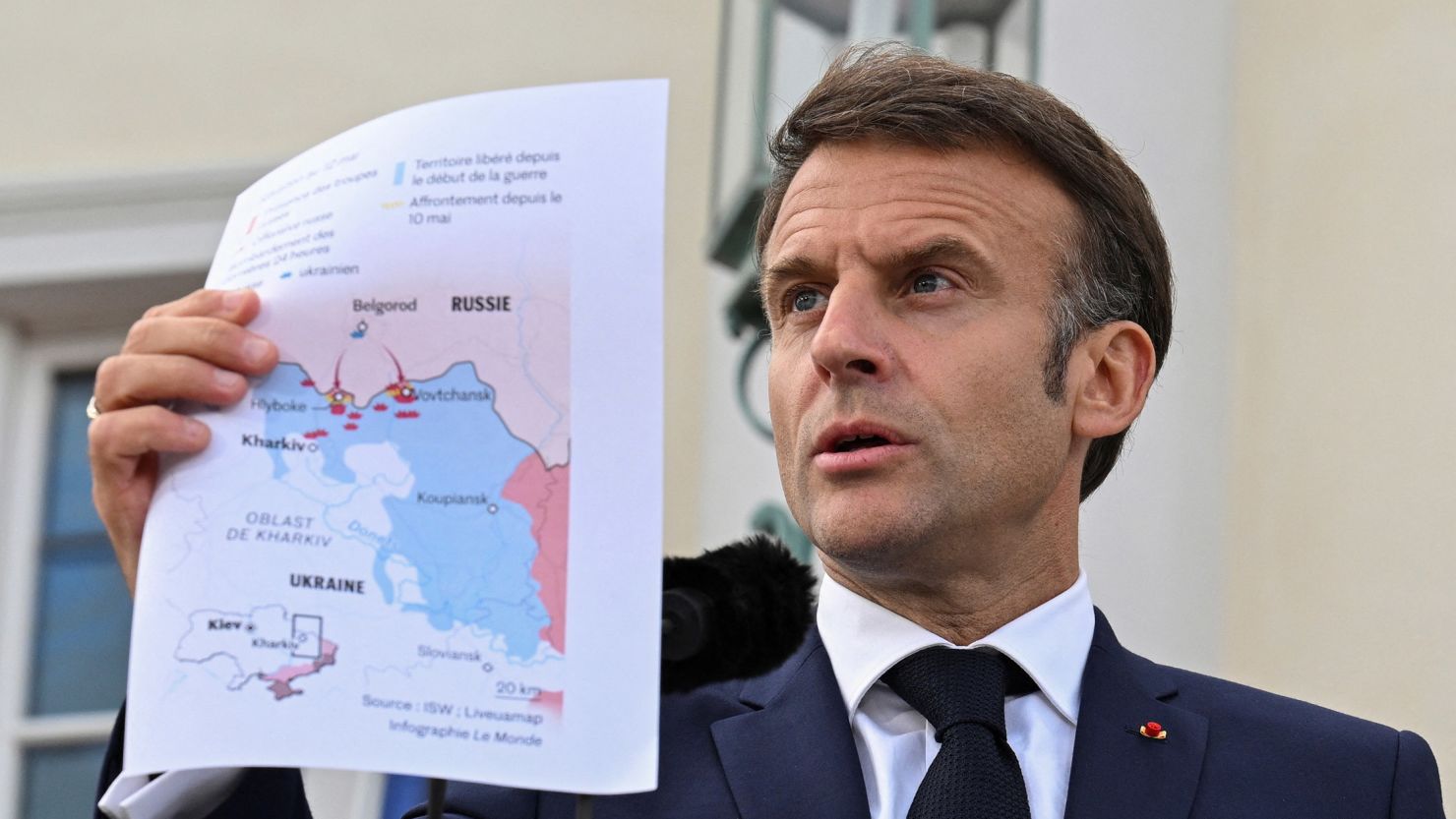
This isn't a complete U.S. withdrawal, there's no indication of a sharp reduction in American support post-pause. However, the U.S. has imposed escalation red lines, such as limits on targeting Russian leadership or long-range strikes, absent in European sharing. France's approach offers freer flows, enhancing Ukraine's operational flexibility.
The Coalition of the Willing
The pivot extends beyond France. In May 2025, a "coalition of the willing", comprising France, the UK, Germany, and over 15 partners, formed to support Ukraine against Russian aggression and U.S. policy swings. This group, including the U.S., established structures for sharing operational intel on Russian actions, hybrid threats, and air defense. France and Germany sealed closer ties in August 2025 at a presidential meeting, while Macron convened European army chiefs in Paris shortly after the U.S. pause. By October 2025, coalition members were exchanging intel bilaterally with Ukraine.
Western assessments indicate Europe could fully replace U.S. intelligence within months if needed, building on existing capabilities like French space-based SIGINT and European satellite constellations. This reflects a push for European "strategic autonomy," as Macron has advocated.
Members: France, UK, Germany, and 15+ partners
Focus: operational intel on Russian actions, hybrid threats, air defense
France-Germany bilateral deepening: August 2025 presidential meeting
Bilateral Ukraine exchanges active: October 2025
European replacement timeline (Western assessment): months, if needed
Gap remaining: early ballistic missile warning — not yet fully replicable by Europe
The Leak Rumors: What Actually Happened
Rumors of U.S. leaks to Russia have swirled, amplified by a January 2026 LCI TV segment featuring ex-DGSE operative Vincent Crouzet. Crouzet discussed a "rift" post-Oval Office incident, suggesting Ukrainian agencies stopped sharing due to "American leaks to Moscow". Media twisted this into a "sting" where Ukraine fed fake intel to test U.S. channels, allegedly confirming leaks. Crouzet clarified he meant suspicions, not a confirmed operation. Ukraine's GUR dismissed it as "distorted information" or Russian disinformation. Fact-checks by Kyiv Post and others found no evidence, labeling it amplified noise to sow division. Annual unverified leak claims number 5-10, but none tie to the pivot, politics does.
What Europe Can and Can't Yet Replace
Europeans share more freely, without U.S. style pauses or red lines, aiding Ukraine's response to Russian threats. France's contributions include advanced tech like satellites and SIGINT, complementing Ukraine's needs. However, Kyiv remains "critically dependent" on U.S. assets for specifics like early ballistic missile warnings, which Europe can't fully replicate yet. The bulk, targeting data, and imagery, can be covered within months.
Second and Third Order Effects
Second order effects include enhanced European unity, but potential NATO fractures if U.S. unreliability persists. Third-order effects of this include Russia exploiting these divisions and ramping a mix of military, cyber, propaganda, sabotage, and other tactics to cause chaos, and weaken enemies, to achieve its war time goals.
Best Case, Worst Case, Most Likely
In the best-case scenario, the United States fully rejoins the intelligence-sharing effort with Ukraine. Advanced AI technologies then reduce intelligence vulnerabilities, which helps stabilize the transatlantic alliances and restores reliable, long-term cooperation. In the worst-case scenario, ongoing pauses and interruptions in U.S. support continue indefinitely. This prolonged unreliability allows Russia to exploit the situation and eventually annex about 30 percent of Ukrainian territory by 2030.
The most-likely outcome is a prolonged hybrid stasis. Ukraine manages to hold onto roughly 80 percent of its territory through determined defense and adaptation. The country then embarks on a massive reconstruction effort that costs around $500 billion over the coming years. Meanwhile, Europe takes the lead in providing intelligence to Ukraine on a long-term basis, reducing Kyiv's dependence on Washington.
This situation raises an important meta-question: How does the politicization of intelligence by the United States accelerate Europe's push for greater strategic autonomy, ultimately reshaping the entire framework of transatlantic security? The facts make it clear that Ukraine's pivot to French and European intelligence primarily stems from Trump's use of intelligence-sharing as a leverage tactic, not from any proven leaks to Russia. To effectively safeguard Ukraine's future and preserve Western unity, Washington must stop politicizing intelligence support, or risk permanently ceding influence to a more consistent and committed Europe.
Kai Tutor | The Societal News Team 11 FEB 2026
Follow Us!
It helps decentralize our presence across the web and it's completely free!
Instagram ➤
Youtube ➤
Substack ➤
X.com ➤
Telegram ➤
TikTok ➤