The Underfunding of Ukraine: A 4-Year Cost Analysis
Four Years In: The "Donor Fatigue" Myth
Today marks the four-year anniversary of Russia's full-scale invasion of Ukraine. For 1,461 days, the world has witnessed a high-intensity, industrial-age war unfolding on a digital-age stage. As the conflict enters its fifth year, a troubling narrative of "donor fatigue" has gained traction among critics who highlight the roughly $350 billion in total Western aid committed since 2022 as proof of an open-ended "blank check." Yet a closer analytical examination of the true costs of warfare tells a starkly different story.
Far from being overfunded, Ukraine is delivering the West the most efficient defense return on investment in modern history, all while being systematically under-resourced relative to the existential threat it confronts.
Aid breakdown: military equipment, financial support, humanitarian assistance
Comparison: roughly 5% of the $8 trillion spent on the Global War on Terror
US domestic retention of Ukraine-related funding: ~70–90% stays within the US economy
NATO troops lost in direct combat with Russia: zero
$350 Billion vs. $8 Trillion: The GWOT Comparison
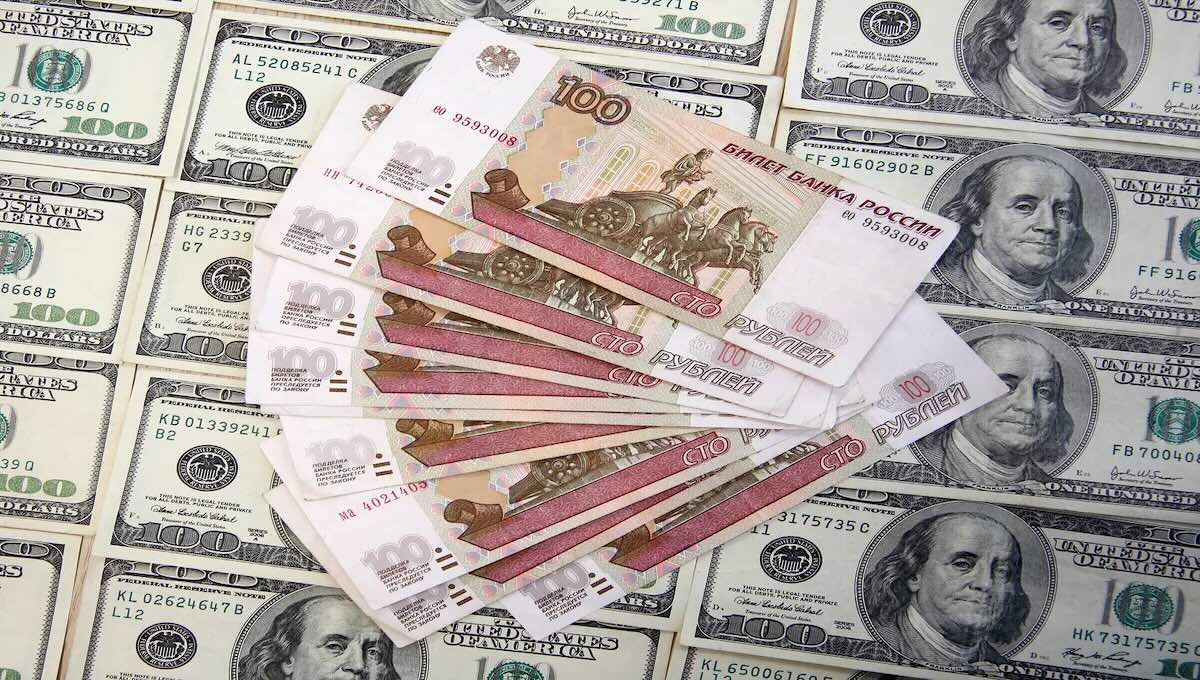
To grasp why $350 billion represents a genuine bargain, one must compare it to the staggering expenditures of the United States in the Global War on Terror. According to the Costs of War project at Brown University, the post-9/11 wars in Iraq, Afghanistan, Syria, and related operations have cost the US approximately $8 trillion in total, encompassing direct military spending, veterans' care, homeland security enhancements, and interest on borrowed funds. Even when excluding long-term veterans' obligations and focusing solely on direct war-fighting expenses, the figure remains around $2 trillion+.
These trillions were poured into counterinsurgency campaigns against non-state actors and insurgencies that never presented an existential risk to the Western world or the international order. In stark contrast, for roughly 5% of that GWOT total (Global War On Terror), Western support has enabled Ukraine to inflict profound and sustained degradation on the Russian Federation, a nuclear-armed superpower that has posed the primary conventional threat to European security for seven decades.
Cost Per Enemy Combatant: An 8-to-1 Efficiency Gap
The efficiency gap becomes even more pronounced when examining the grim metric of cost-per-enemy combatant neutralized. In the Middle East counterinsurgency operations, the U.S. waged a logistics-intensive war, transporting vast quantities of supplies, including air conditioners, food, and fuel, to remote outposts, driving overhead costs sky-high. Estimates from that era suggest it cost approximately $4 million or more to neutralize a single insurgent.
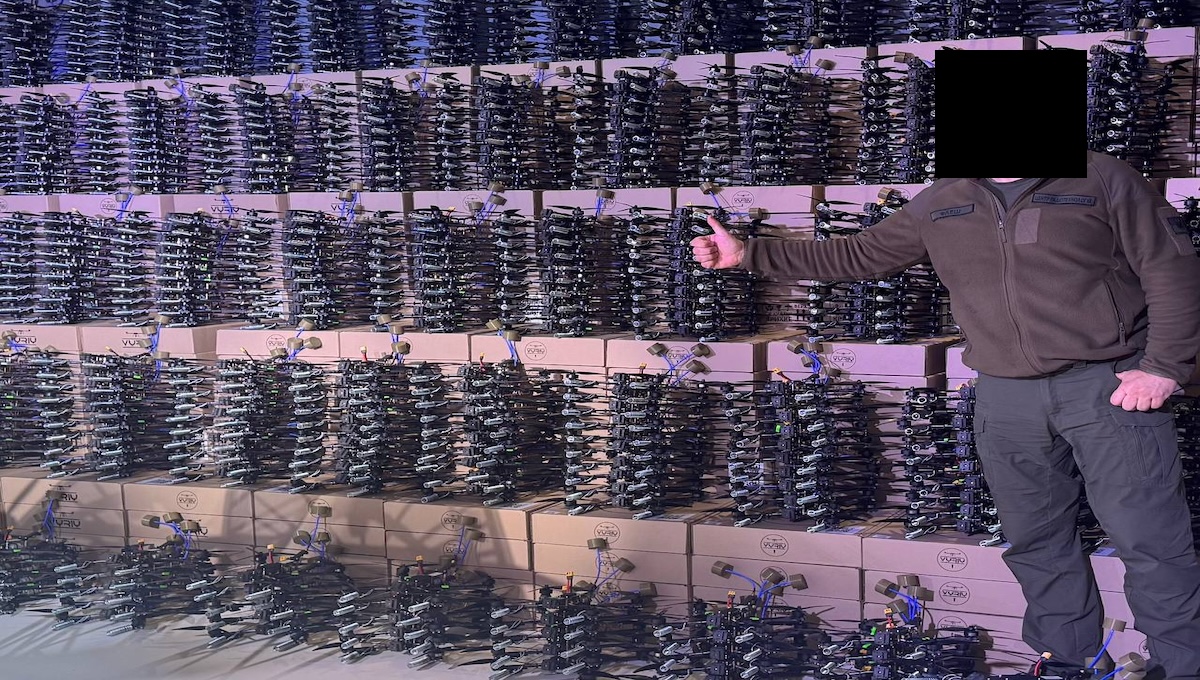
In Ukraine's conventional war of attrition, NATO and intelligence assessments as of early 2026 place Russian military fatalities between roughly 350,000 and 450,000 (with broader casualty figures, including wounded, far higher and approaching or exceeding 1 million in some analyses). When divided into the total Western military aid provided, the cost to neutralize a professional Russian soldier falls in the range of $500,000 to $800,000. Ukraine achieves this lethality through sheer necessity, substituting expensive missiles with low-cost FPV drones priced at a few hundred dollars and leveraging donated Western systems to shatter mass infantry assaults. In terms of lethality per dollar spent, Ukraine outperforms historical Pentagon benchmarks by a factor approaching 8-to-1.
Ukraine, cost per Russian soldier neutralized: ~$500,000–$800,000
Efficiency advantage: ~8-to-1 in lethality per dollar spent
Russian fatalities (NATO/intelligence estimate, early 2026): 350,000-450,000
Total Russian casualties including wounded: approaching or exceeding 1 million
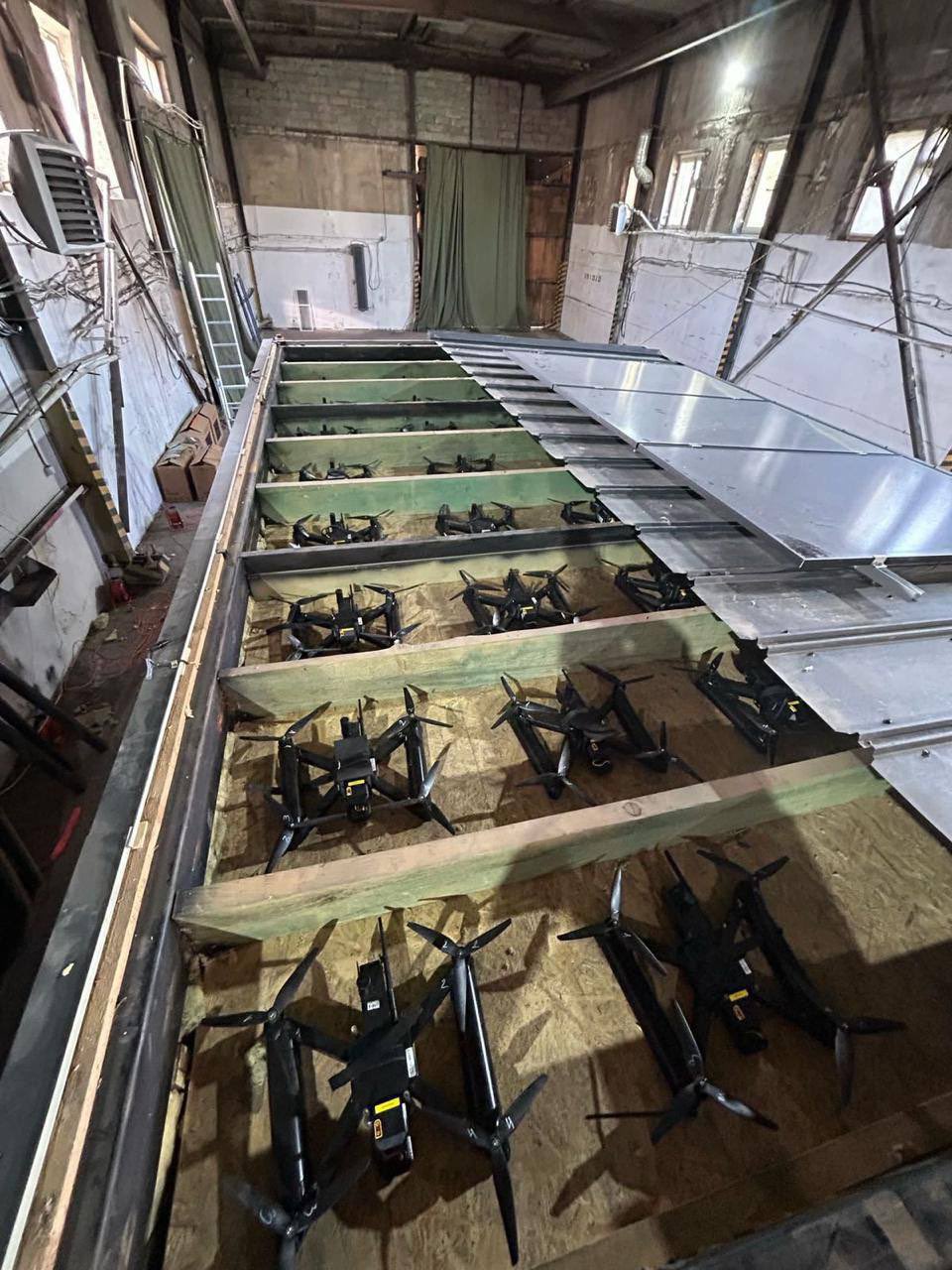
Ukraine's key cost multiplier: FPV drones at a few hundred dollars per unit replacing expensive missiles
Most "Ukraine Aid" Stays in the Donor Country
A persistent misconception fuels the donor-fatigue narrative, the belief that Western aid consists primarily of vast cash transfers flooding into Kyiv. In truth, the bulk of this assistance functions as an economic stimulus for the donor countries themselves. In the United States, for example, a significant majority, often cited around 70% to 90%, of Ukraine-related funding remains within the domestic economy. These dollars pay American workers in manufacturing hubs across states like Alabama, Pennsylvania, and Arizona to produce advanced weaponry.
They facilitate the transfer of older stockpiles, such as decades-old Bradley fighting vehicles, that were already incurring maintenance or decommissioning costs for U.S. taxpayers. At the same time, the aid budget funds the procurement of brand-new equipment to replenish and modernize America's own military inventory. Ukraine effectively serves as a high-stakes recycling center for Cold War-era hardware, while the financial benefits flow back home to revitalize the industrial base.
Russia Is Still Outspending Ukraine's Backers
Despite the headline-grabbing figures, the battlefield reality reveals a persistent imbalance, Russia continues to outspend Ukraine by a wide margin. By 2025, Russia shifted to a full-scale war economy, with annual military expenditures climbing to well over $150 billion (and estimates ranging higher, up to around $170–$280 billion when accounting for hidden or broader defense outlays), equivalent to 7% or more of its GDP. Ukraine, by contrast, has endured on incremental, "drip-feed" aid packages sufficient to hold defensive lines but seldom adequate to enable decisive offensives.
While Western capitals debate supplemental allocations in the tens of billions, Russia sustains equivalent or greater spending every few months. The widespread perception that Ukraine is "awash in money" is not merely inaccurate, it represents a profound strategic misjudgment, underestimating the resources required for Kyiv to prevail against a revanchist global power.
Russia military spend as % of GDP: 7%+
Total Western Ukraine aid committed (4 years): ~$350 billion
Russia equivalent spend in 2–3 months: matches or exceeds typical Western supplemental allocations
Ukraine's aid model: drip-feed packages, sufficient to hold lines, rarely enough for decisive offensives
The Bargain of the Century
The donor-fatigue feeling rests on a profound fiscal illusion. If policymakers in 2001 could have foreseen the opportunity to achieve the near-total erosion of Russia's conventional military capabilities, for a mere $350 billion, without a single NATO soldier lost in direct combat, most strategists would have deemed it the bargain of the century. Ukraine is undertaking the brutal, high-cost labor of safeguarding Western security interests at a fraction of the price tag attached to prior U.S. led wars.
Halting support now would not constitute prudent fiscal stewardship. It would amount to forsaking the single most cost-effective investment in global stability and deterrence that history has yet produced.
Kai Tutor | The Societal News Team 16 FEB 2026
Follow Us!
It helps decentralize our presence across the web and it's completely free!
Instagram ➤
Youtube ➤
Substack ➤
X.com ➤
Telegram ➤
TikTok ➤