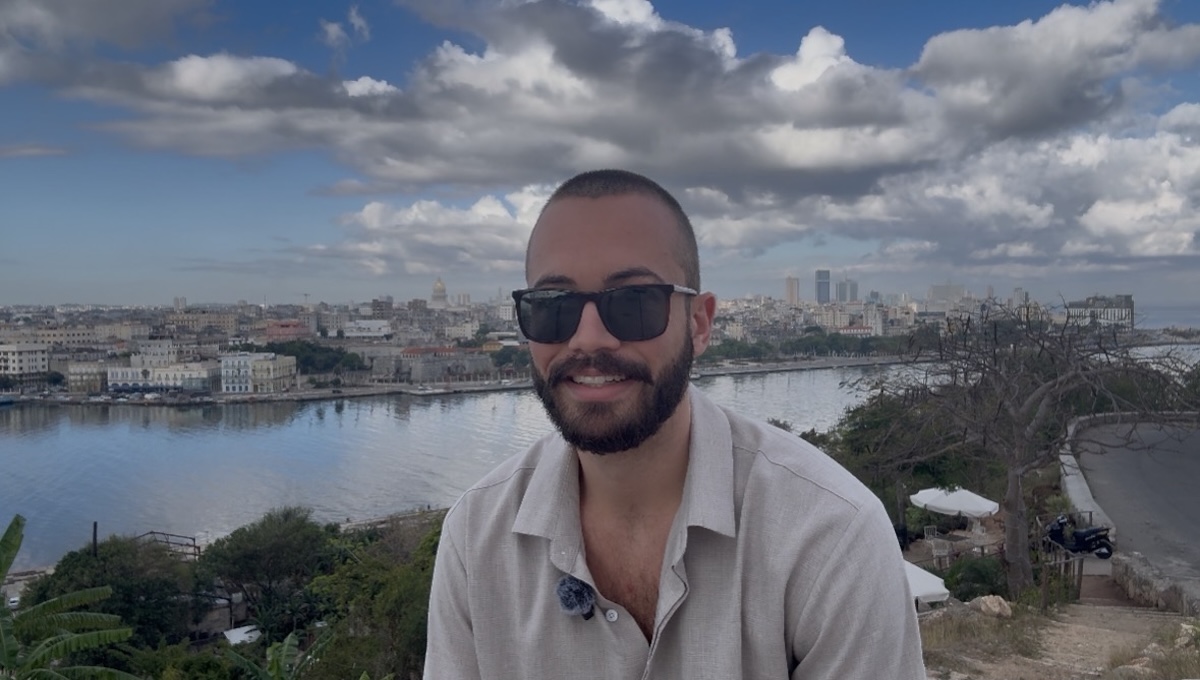
I have been to Cuba twice, and it is one of the most beautiful experiences I have had while traveling. Both trips remain burned into my memory.
The first time, I went on a whim just to experience the island. I ended up meeting two amazing German guys, and we traveled the island together. The second time, I went to fact-check what the mainstream media was saying about Cuba. Both times were beautiful experiences.
Traveling to Cuba can feel more intimidating than it actually is. Here is everything you need to know to do it right in 2026.
Step 1: Understand the OFAC Categories
The first step is checking the State Department guidelines and the OFAC guidelines. There are 12 authorized categories for US citizens traveling to Cuba: family visits, official government business, journalistic activity, professional research and meetings, educational activities, religious activities, public performances and athletic competitions, support for the Cuban people, humanitarian projects, activities of private foundations or research institutes, exportation or importation of informational materials, and authorized export transactions.
The most common and best category for independent travelers is "Support for the Cuban People," which requires a full-time schedule of activities that support contact with Cuban citizens rather than spending time at state-run resorts or facilities.
Step 2: Get Your Visa
You need to purchase a Cuban tourist visa (also called a tourist card) costing $100. cubavisaservices.com is reliable for this. The visa is an e-visa, essentially just a visa number. You then take that number and complete the traveler form at dviajeros.mitrans.gob.cu, print it off, and bring it with you.
One slightly unusual wrinkle: you have to tell Cuba you are a tourist on this form, even though you are traveling under the "Support the Cuban People" OFAC category. Enter the visa number into the D'Viajeros form, print a couple of copies, and keep them in your bag.
Step 3: Flights
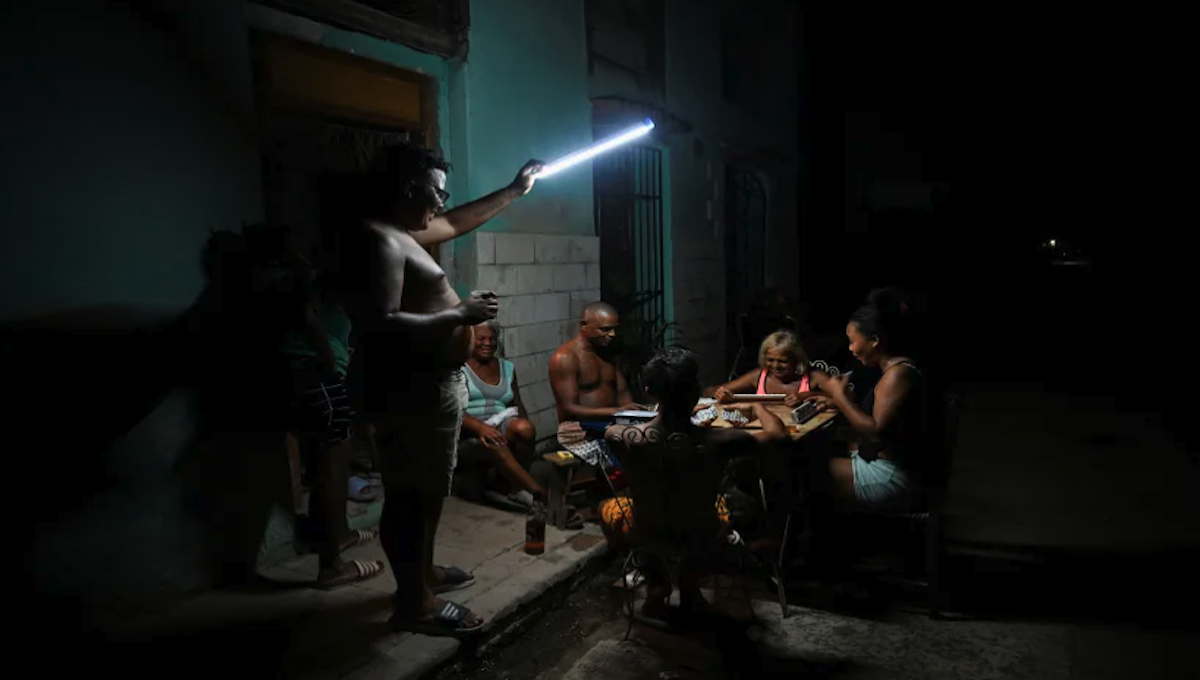
Flights to Cuba depart mainly from Miami International Airport with American Airlines. The flight is very short, roughly 40 minutes to an hour. The airport in Havana is somewhat modernized and runs on generators, so even during the island's total grid collapse the airport remained uninterrupted.
Step 4: Bring Cash, More Than You Think
Cuba does not accept US credit cards. There are no ATMs accessible to American travelers. You must bring every dollar you plan to spend for the entire trip in cash before you leave home.
I spent roughly $400 per week on both trips and brought double that just to be safe. Most places accept US dollars and euros. You may receive change in Cuban pesos if you pay in dollars, and vice versa. I never found vendors trying to short-change or scam anyone in these transactions. It is genuinely not part of the culture.
Step 5: Accommodation
As a US citizen, booking a casa particular is the right approach. A casa particular is a private home that rents out rooms directly to travelers, and staying at one directly benefits Cuban citizens rather than the state, which aligns with the Support for the Cuban People OFAC category.
A comfortable casa particular in Havana typically runs about $30 per night. Budget spots can be as low as $5 per night, and nicer places top out around $50. You can call ahead, book through Airbnb in some cases, or simply show up and find one when you arrive. That spontaneity is very much in the spirit of Cuban travel.
Personally I prefer to stay flexible and not prepay, so I can move between different casas as I explore. Having that freedom to switch neighborhoods or cities is one of the best parts of traveling Cuba independently.
Step 6: Food
Food costs vary widely and reward the curious traveler. Local spots, often just a house with a handwritten menu outside, charge as little as $2 a meal. Regular restaurants average around $8. More upscale places charge $10 to $20. Beers at local spots are often the same price as a bottle of water.
The key is to explore and shop around. Some of the best food I found on the island was at places that looked like nothing from the outside.
Step 7: Getting Around
Getting around Havana itself is easy and cheap. Bicycle taxis will take you most places for $5 to $10, and you can haggle unless given a fixed rate. Colectivos are shared taxis that stop at different points along a fixed route. They can feel a little unfamiliar at first, but they are reliable, cheap, and perfectly safe. 700 Cuban pesos was the standard colectivo fare I received on my most recent trip.
For getting out of Havana to somewhere like Viñales, the best approach is to find other travelers and split a taxi. A chance encounter at a bus stop once turned into a shared taxi to Viñales and a group of people who became genuine friends.
The intercity bus system is another solid option and the buses are generally good quality. Buy your tickets well in advance as they sell out fast, especially given Cuba's ongoing fuel shortages, which at times left only three buses operating at the station I used.
Final Word
Above all, do not be afraid to go off the beaten path. Stay local, eat local, and lean into the casa particular experience. It is genuinely unlike anything you will find anywhere else in the world.
The warmth and hospitality of the people who open their homes to you stands apart even having traveled through Mexico, China, Colombia, Spain, Vietnam, Mongolia, Costa Rica, and Panama. Cuba is truly unique, and it is absolutely worth the trip.
Kai Tutor | The Societal News Team
Follow Us!
It helps decentralize our presence across the web and it's completely free!
Instagram ➤
Youtube ➤
Substack ➤
X.com ➤
Telegram ➤
TikTok ➤