Cuba Crisis 2026: Oil Blockades, Power Blackouts, and Economic Collapse
A Crisis Decades in the Making
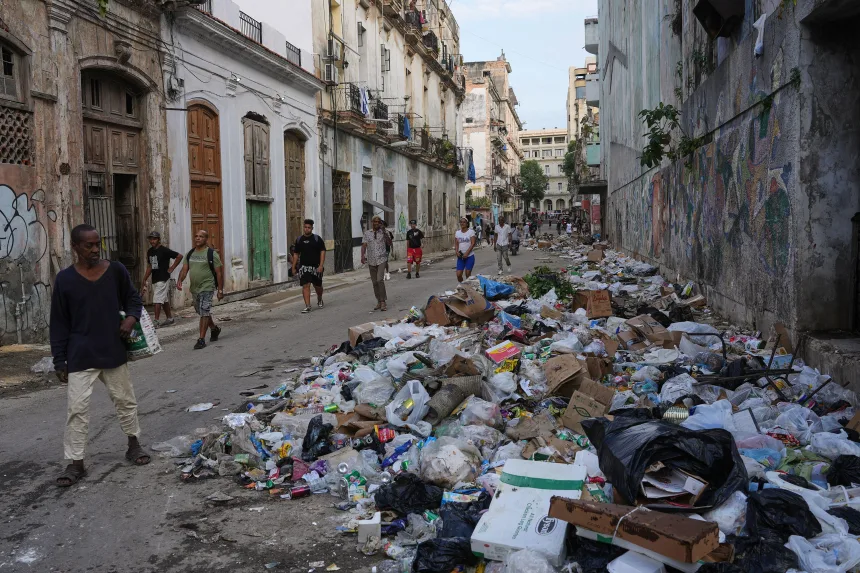
Cuba's energy shortages, economic paralysis, and humanitarian crisis are not new. The recent U.S. oil blockade is making an already deteriorating situation significantly worse, but the root of the problem is structural: Cuba's centralized socialist economy has long depended on external subsidies to mask its inability to generate self-sustaining growth.
Since the 1960s, Cuba's model has relied on foreign support at massive scale. First the Soviet Union, providing an estimated $4 to 6 billion annually in aid until 1991. Then Venezuela under Chavez and Maduro, supplying up to 100,000 barrels per day of subsidized oil at its peak in the 2000s, falling to around 35,000 bpd by 2025. This dependency created a feedback loop where state control over resources stifled innovation and productivity, while subsidies allowed the regime to avoid fundamental reforms.
When the U.S. captured Maduro on January 3, 2026 and seized control of Venezuelan oil exports, halting shipments to Cuba, that lifeline was cut. Secondary factors include chronic underinvestment in infrastructure, aging power plants, and a bureaucratic system that prevents rapid adaptation such as diversifying energy sources or liberalizing markets.
The Numbers Behind the Crisis
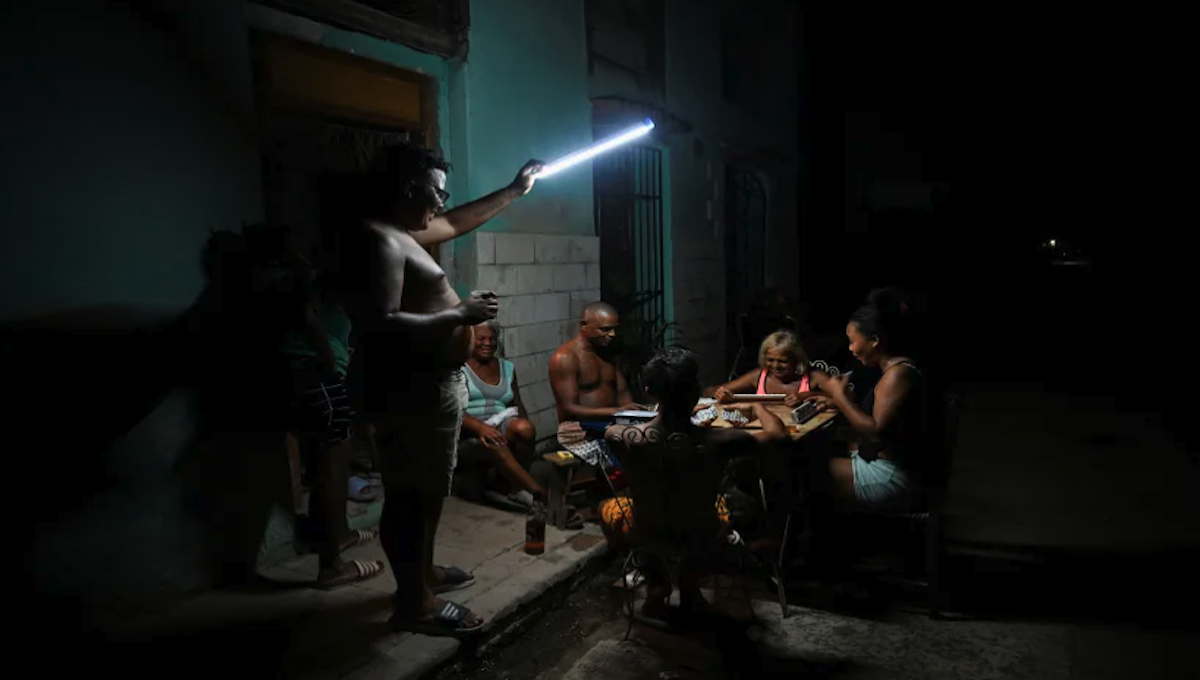
As of March 3, 2026, Cuba's oil reserves are estimated at 4 to 7 days of supply at current rationed consumption levels, down from 15 to 20 days in late January. The energy gap is straightforward: Cuba produces around 40,000 barrels per day domestically against demand of 100,000 to 150,000 bpd. Without Venezuela, the shortfall is 35,000 to 50,000 bpd, equivalent to 1.5 to 2 million gallons daily.
How This Compares to the Special Period
Historically, this mirrors Cuba's "Special Period" of 1991 to 1995, which followed the Soviet Union's collapse. During that crisis, GDP fell 35%, daily caloric intake dropped to 1,800 to 2,000 calories, and blackouts lasted 16 to 18 hours. The regime survived via austerity and partial market reforms.
Today's crisis is sharper in energy terms. Oil imports are down 50 to 70% versus 30 to 40% during the Special Period. It is somewhat mitigated, however, by a private sector that now accounts for 15 to 20% of GDP, up from near zero in the 1990s. Whether that buffer is enough is the central question.
The Narrative Distortions on Both Sides
Most observers wrongly frame the crisis as solely a product of U.S. aggression, portraying Cuba as a resilient victim of imperialism. This framing stems from ideological bias in parts of media and academia that romanticize the revolution while downplaying internal failures. The error is treating sanctions as the primary cause rather than an accelerant. Cuba's economy contracted 2 to 3% annually from 2019 onward, before any blockade intensification, driven by inefficiencies such as state monopolies operating at roughly 50% the productivity of market equivalents.
The opposite error is equally common. Right-wing analysis consistently overstates regime fragility, having predicted imminent collapse since the 1990s, while underestimating adaptive repression and the state's capacity to control information and dissent. Cuba is not collapsing overnight. It is eroding slowly, and the blockade is exposing vulnerabilities rather than creating them.
Misaligned Incentives at Every Level
The Cuban regime's incentives prioritize power retention over economic efficiency. Elites extract rents from state enterprises, with military-run tourism conglomerates estimated to siphon 20 to 30% of revenues. This creates structural problems where bureaucrats have personal financial incentives to obstruct reforms that would eliminate their advantages.
Citizens face misaligned incentives in the opposite direction. Subsidized basics discourage productive labor, while black markets for goods like resold fuel thrive amid shortages. The Trump administration claims humanitarian intent in its sanctions design, yet loopholes favor private sector actors in ways that could enrich U.S. firms via resale licenses. Cuban officials have historically skimmed aid, including diverted Venezuelan oil shipments, while diaspora remittances of $3 to 4 billion per year create informal economies that partially bypass the state. Shortages themselves boost elite control through rationing, while simultaneously deterring foreign direct investment, which sits below 1% of GDP.
Three Possible Futures for Cuba
The Deeper Question
Cuba's trajectory raises a question that extends beyond the island: whether a socialist command economy is inherently incompatible with human productive incentives at scale, or whether viability simply requires either isolation or permanent external subsidy. Cuba's sixty-plus years suggest the latter. Ideological purity and pragmatic adaptation appear to be structurally in conflict.
Without abandoning central control, the regime will continue to fracture under self-inflicted inefficiencies regardless of whether the blockade is maintained. Partial liberalization offers a path to survival, but only if elites stop extracting from state resources at the rate they historically have. There is little evidence they are prepared to do so.
Kai Tutor | The Societal News Team
Follow Us!
It helps decentralize our presence across the web and it's completely free!
Instagram ➤
Youtube ➤
Substack ➤
X.com ➤
Telegram ➤
TikTok ➤