Farmers Block Brussels Roads with Tractors in Major Protest Against EU-Mercosur Trade Deal
Tractors Paralyze Central Brussels Ahead of EU Summit
European farmers blocked major streets in the Belgian capital on Thursday with tractors and mass demonstrations to protest the controversial EU/Mercosur trade deal, highlighting deep divisions over the pact's future and its potential impact on European agriculture.
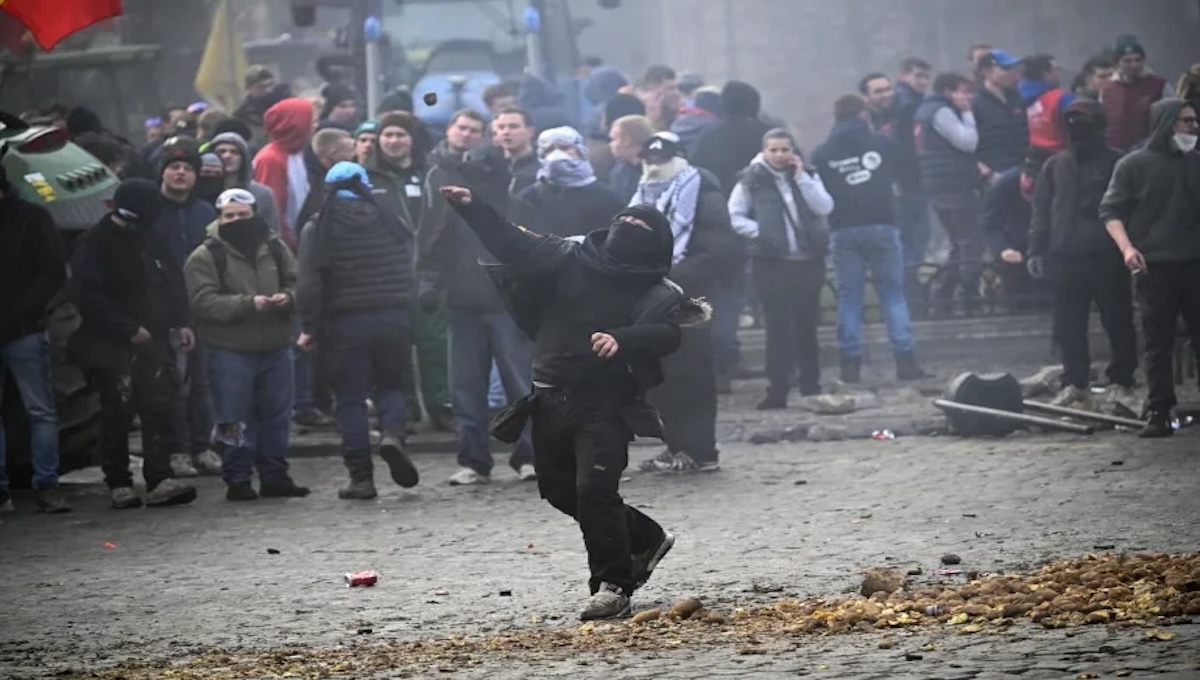
Hundreds of farmers from across Europe drove their tractors into central Brussels, blocking key roads around the Europa building and Place du Luxembourg as EU leaders convened for a summit where the Mercosur free trade agreement was a central item on the agenda. Police deployed tear gas and water cannons when clashes erupted between demonstrators and security forces.
The tractor blockade brought traffic to a standstill in the heart of the city, with some demonstrators throwing potatoes and eggs at police and setting off fireworks. Many farmers carried signs and chanted slogans opposing the deal, which would phase out tariffs on most goods traded between the European Union and Mercosur countries including Brazil, Argentina, Uruguay and Paraguay, over a period of about 15 years.
Protesters say the EU/Mercosur agreement threatens domestic producers by opening European markets to cheaper agricultural imports from South America, where production costs and regulatory standards can be lower. "We want to protect our way of life and our farms," one demonstrator told Euronews, echoing widespread concerns among farming unions.
Organizers estimated that up to 10,000 farmers participated in the demonstrations, with tractors forming a slow-moving convoy that impeded traffic throughout the European quarter. Belgian dairy farmer Maxime Mabille said critics feel ignored by Brussels policymakers and fear losing market share to imported beef, sugar and other products.
Location: Europa building and Place du Luxembourg, Brussels
Police response: tear gas and water cannons
Deal coverage: EU + Brazil, Argentina, Uruguay, Paraguay (Mercosur)
Tariff phase-out period: approximately 15 years
Total population covered by the deal: ~780 million people
Share of global GDP covered: ~one quarter
Years in the making: nearly 25
A Political Divide: Macron vs. Merz
The protests underscore a growing political divide within the EU over the Mercosur deal. While France, Italy and several other states have pushed to delay or block the agreement unless stronger protections are included for European farmers, countries such as Germany and Spain have argued the pact is crucial for boosting economic competitiveness and geopolitical leverage amid rising global trade tensions.
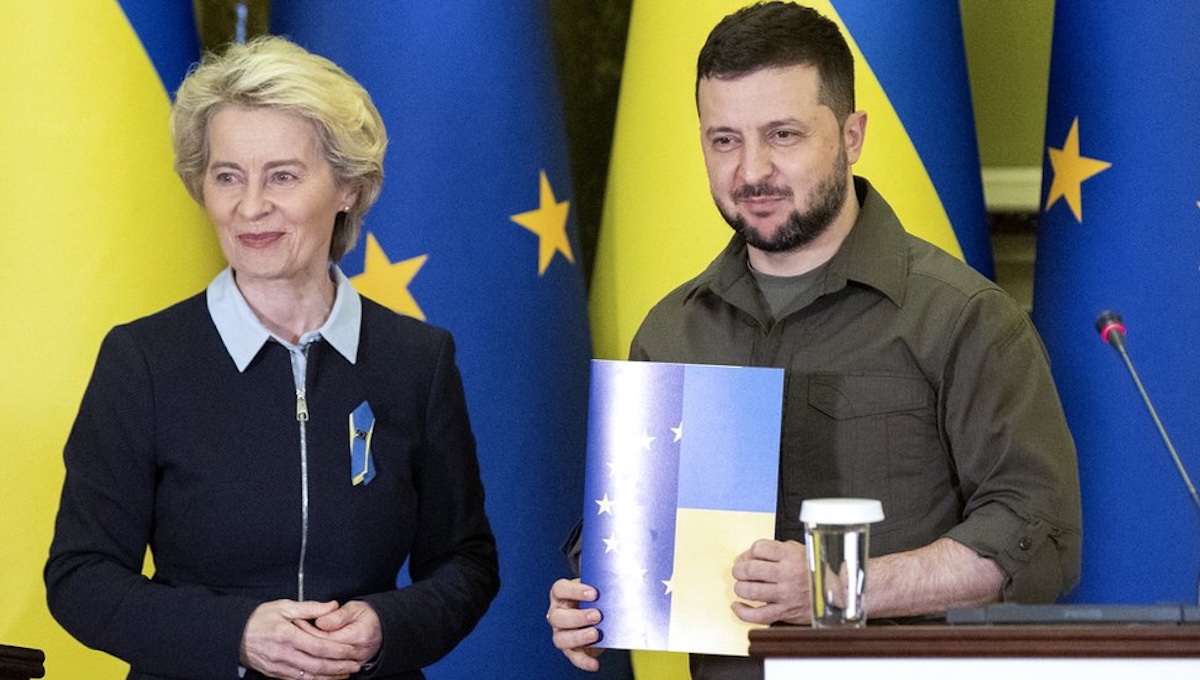
French President Emmanuel Macron has reiterated that the current form of the deal "cannot be signed," citing insufficient safeguards, while German Chancellor Friedrich Merz has urged EU members to approve the agreement to ensure the bloc's credibility in global markets.
Why This Matters for the EU and Global Trade
The EU/Mercosur agreement is nearly 25 years in the making and would create one of the largest free-trade areas in the world, covering around 780 million people and roughly a quarter of global GDP. Supporters say it could help European exporters diversify markets and reduce dependence on major economies like China and the United States. Detractors argue that without stronger environmental, labour and agricultural protections, it risks undermining sustainability and local food producers. Despite pressure from both sides, the pact's fate remains uncertain, with EU leaders under growing public and political scrutiny in the face of intensifying protests.
Analysis By The Societal News Team 21 DEC 2025
Follow Us!
It helps decentralize our presence across the web and it's completely free!
Instagram ➤
Youtube ➤
Substack ➤
X.com ➤
Telegram ➤
TikTok ➤