Fursuiting, Fawning, and Inflatable Suits
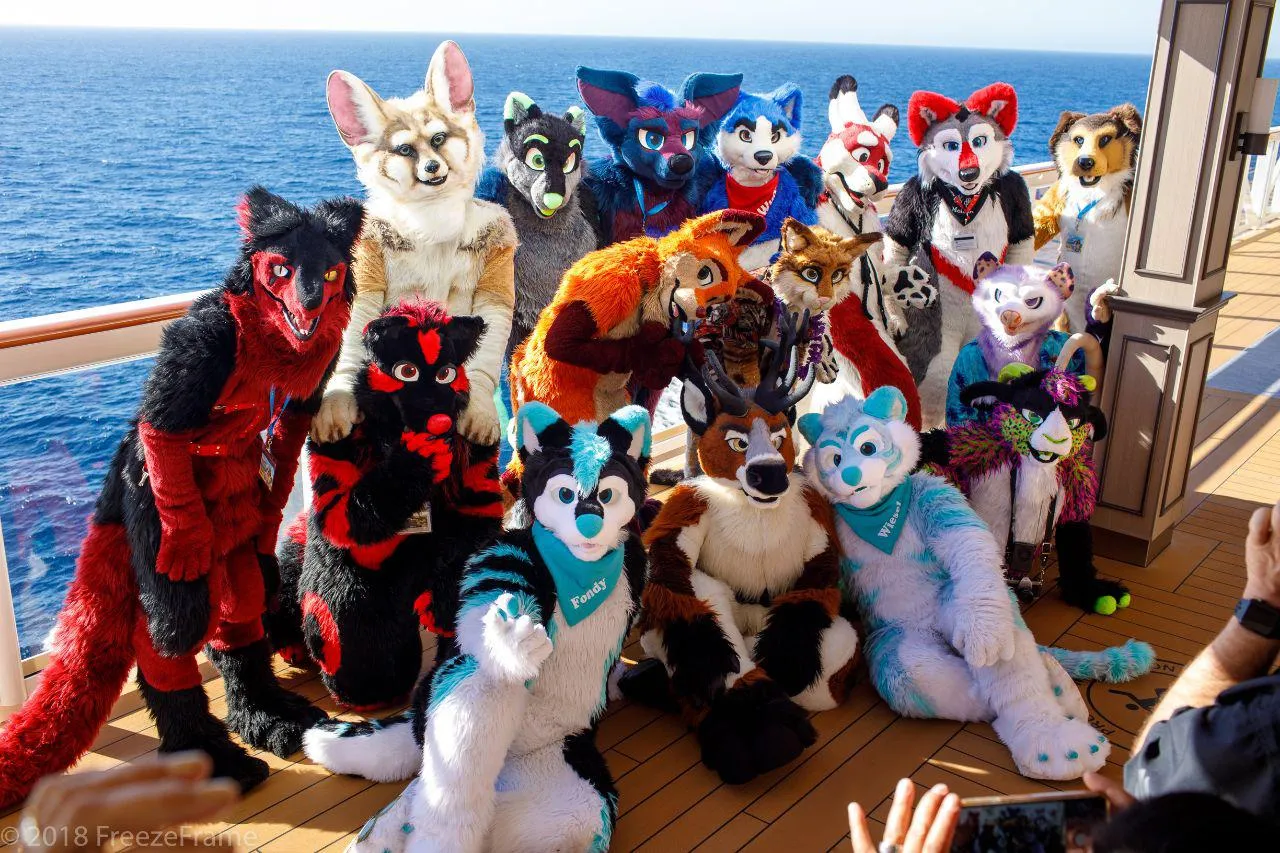 Image from the annual furry cruise put on by furrycruise.com
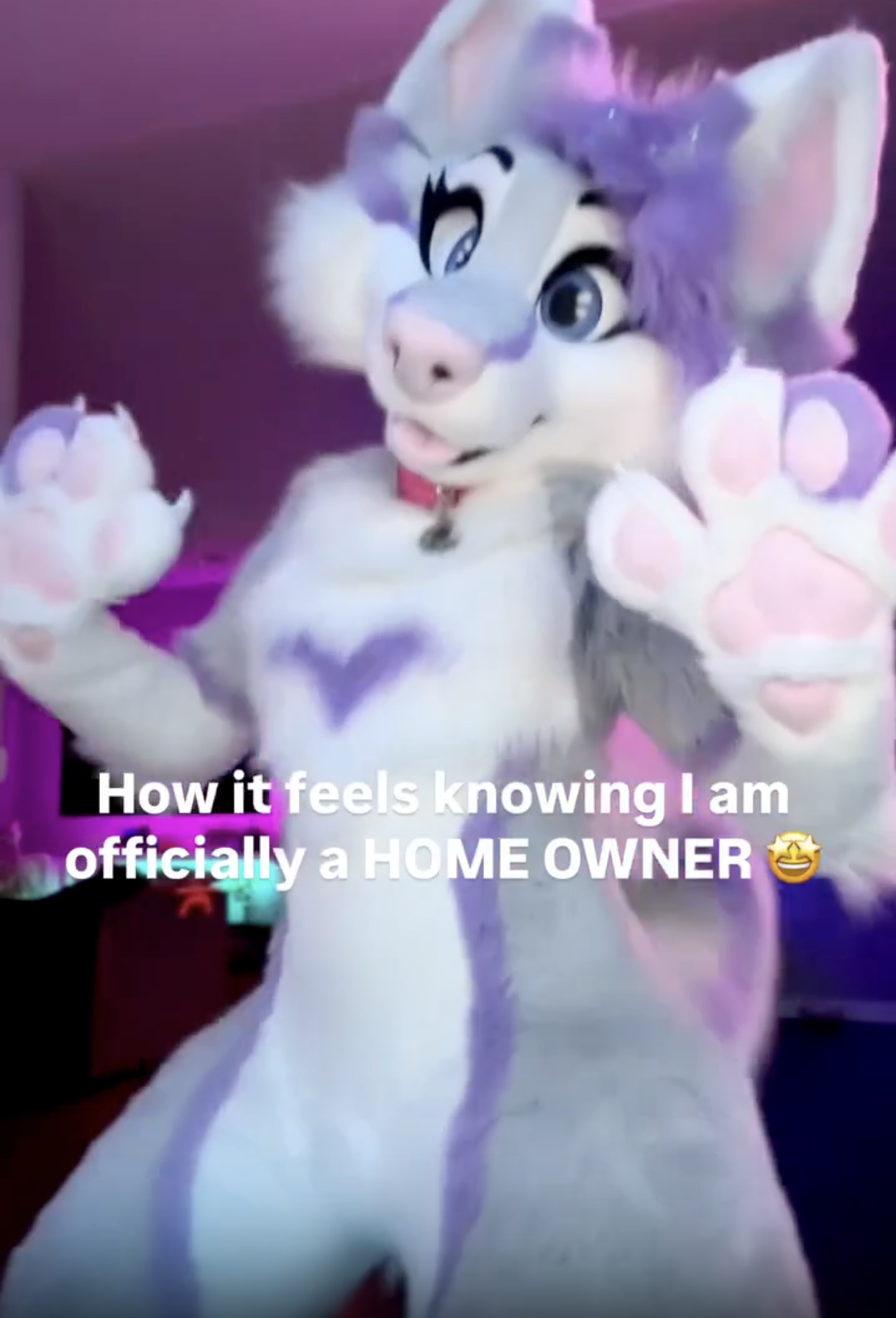
The suit costs around $3,000. It takes six months to build.
It is custom-fitted, digitigrade-legged — meaning the legs bend like an animal's — and when the wearer zips it on and looks in the mirror, something shifts.
They stop being a software engineer from Columbus, Ohio. They become Reylix, a red-furred Arctic fox with amber eyes and a backstory that runs seventeen pages. This is not a Halloween costume. It is an identity.
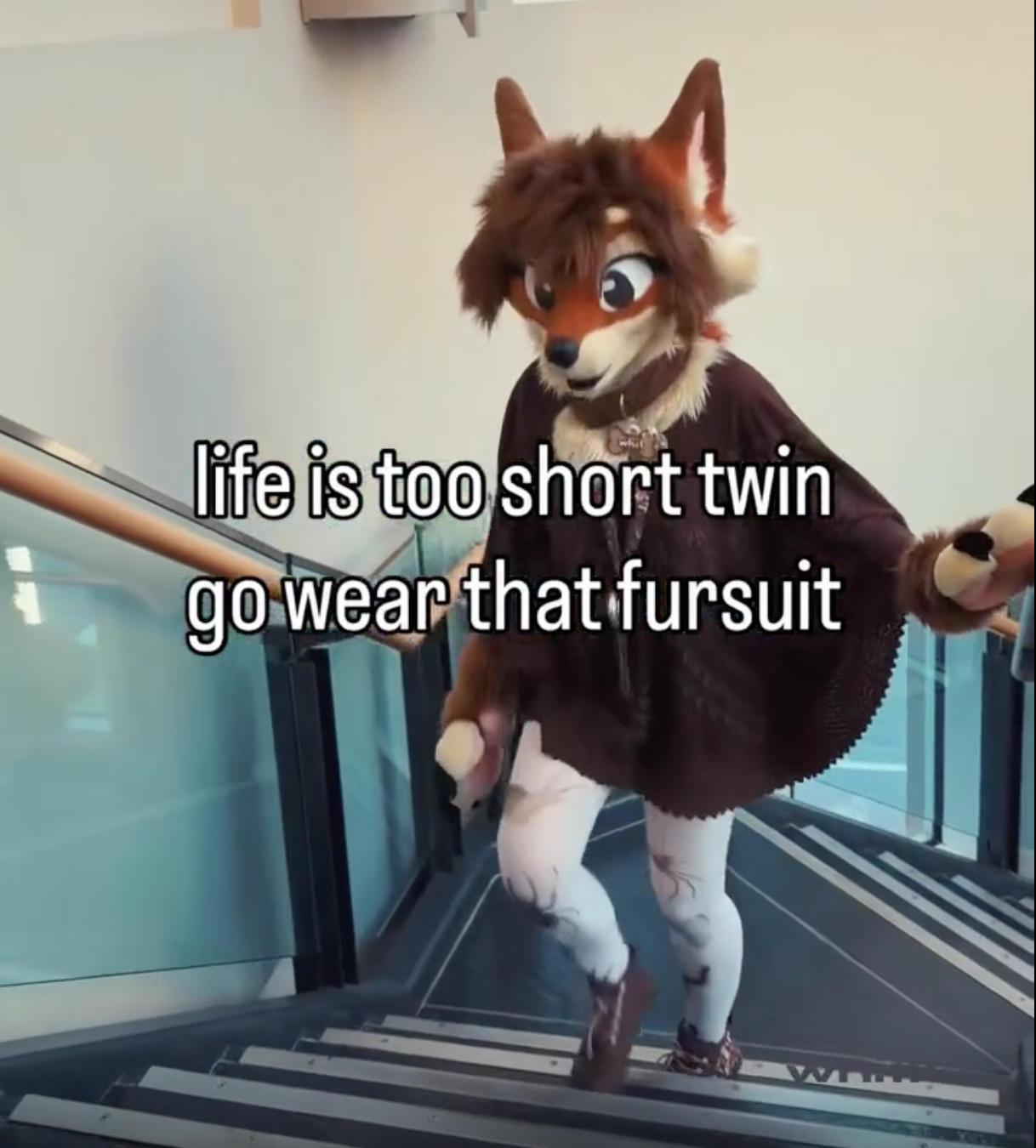
The furry fandom, broadly defined as a community of people with an interest in anthropomorphic animal characters, has existed in recognizable form since the early 1980s, born at the intersection of science fiction conventions, underground comics, and early internet forums.
Today, estimates put the global community at somewhere between 1.4 and 2.8 million active participants, with annual conventions like Anthrocon drawing over 10,000 attendees to Pittsburgh each summer. It is no longer fringe.
But within that community, and branching out from it, are practices that remain genuinely misunderstood, routinely mocked, and almost never examined with any seriousness: pet play, fawning, and inflatable animal suits.
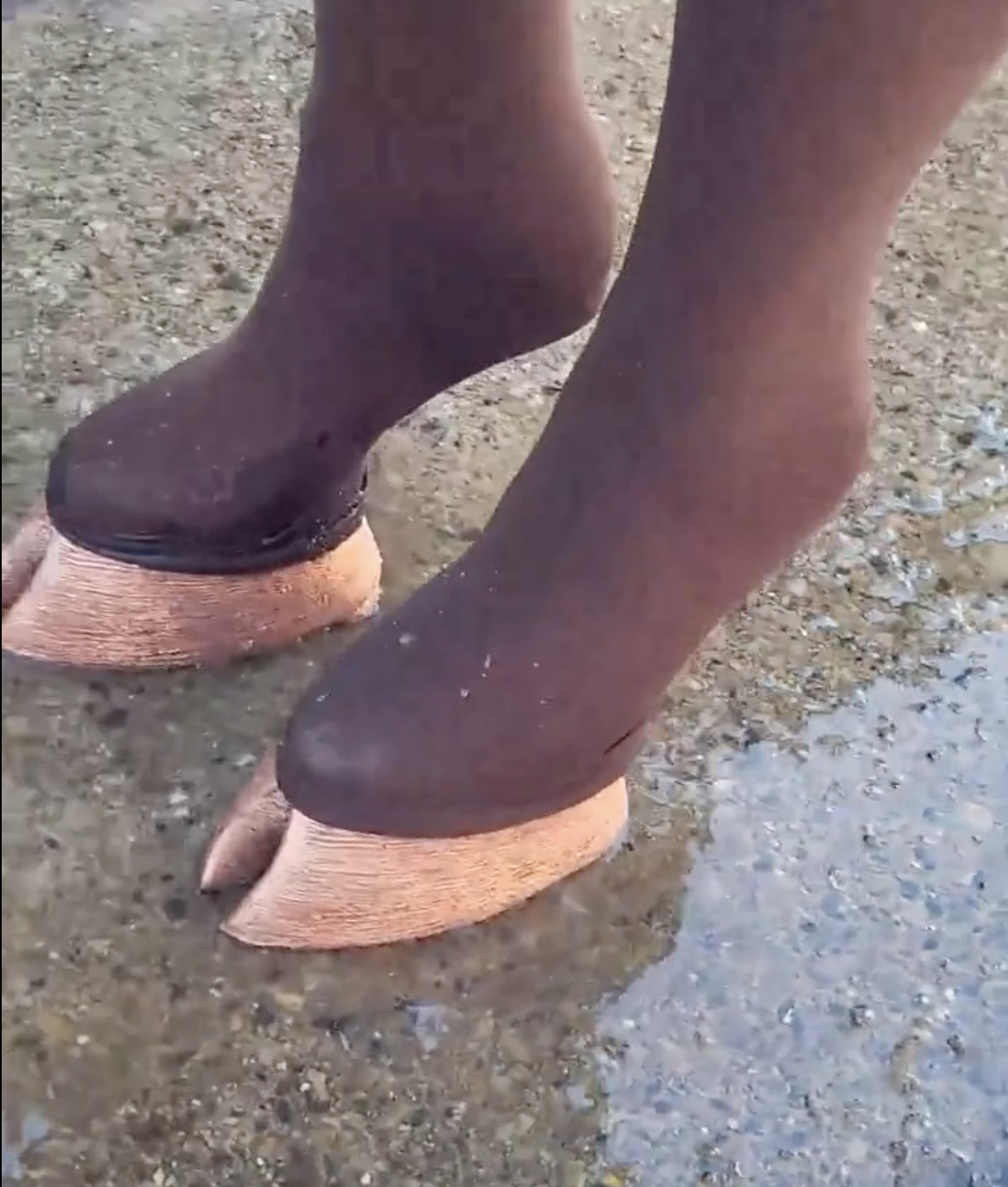
Each sits at a different point on the spectrum between hobby, identity, and sexuality.
Taken together, they tell us something surprisingly coherent about the psychology of embodiment, the limits of the human self, and what people are actually looking for when they put on a costume that weighs forty pounds and makes it impossible to drink a glass of water.
The Fursuit and the Magic Inside It
Most furries — in surveys, above 80 percent — never wear a fursuit at all. The fandom's core is art, fiction, and community. People commission illustrations of their fursona, the animal character they identify with or project onto. They write stories, build friendships, sometimes romantic relationships, around shared creative interest in animal characters.
But the suit is what everyone sees. And it is worth understanding what it actually does to the person inside it.
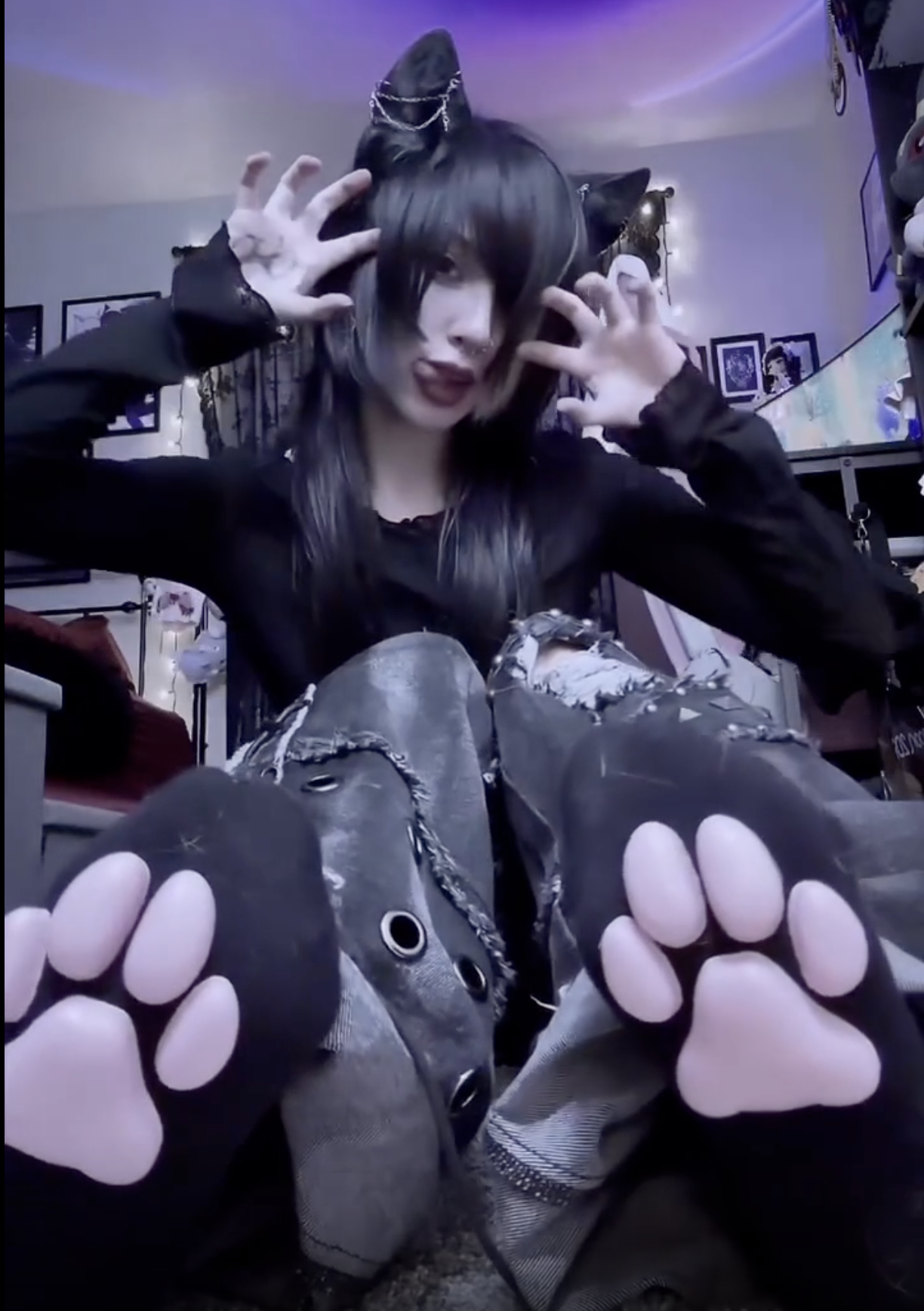
Dr. Courtney "Nuka" Plante, a social psychologist at MacEwan University and one of the few academics who has spent over a decade studying the furry community through the Furscience research group, has documented something consistent: a significant portion of fursuit wearers describe the experience as liberating in ways that are distinctly psychological rather than purely recreational.
Social anxiety decreases. Inhibitions lower. People report feeling more themselves — not less — when they are invisible inside the head of an animal character.
For a lot of people the mask doesn't hide them. It reveals them. The human face is the most socially surveilled object in existence. Take it away and something relaxes.
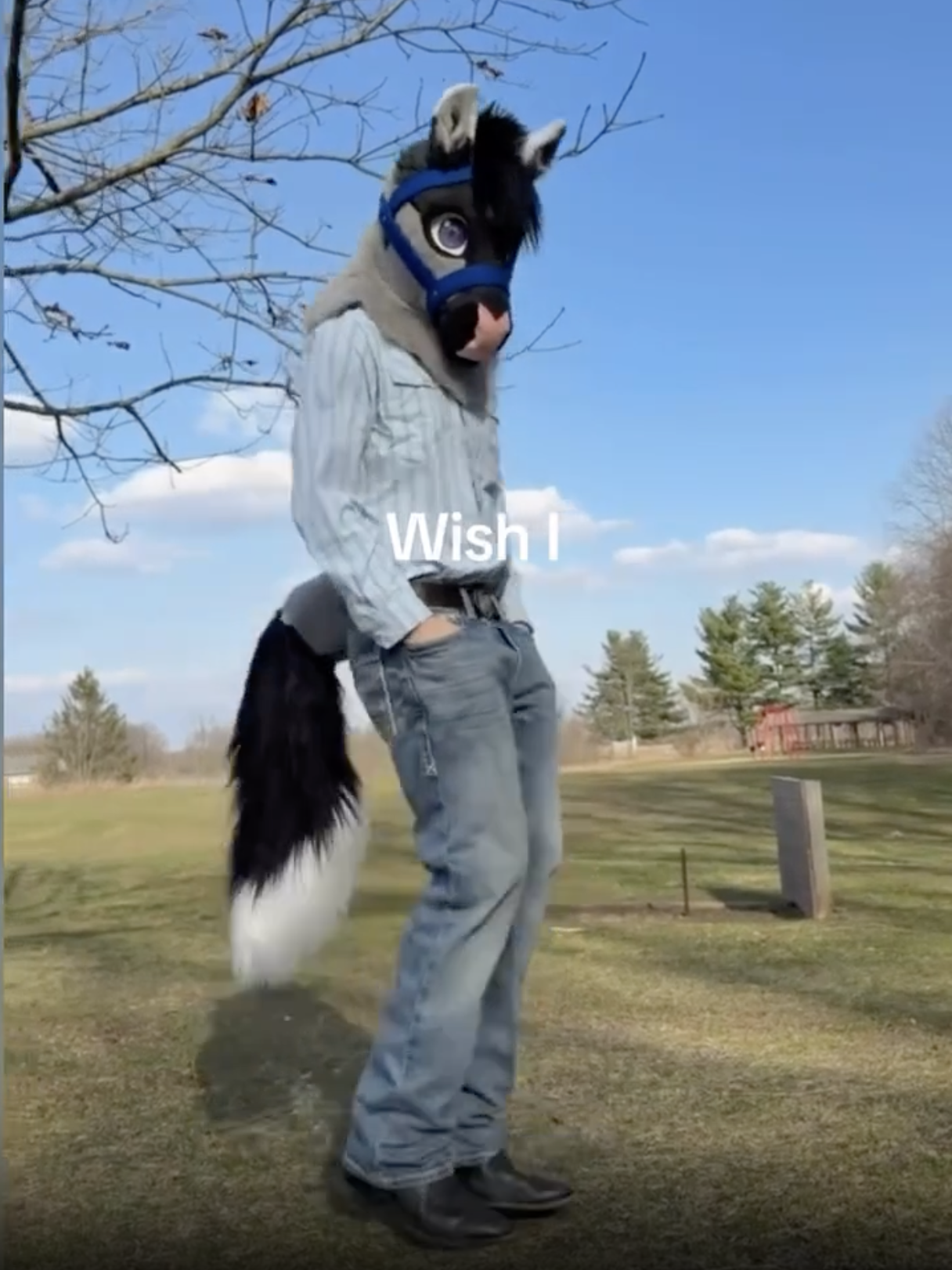
This phenomenon — which furries themselves call "the magic of the suit" — has a rough parallel in psychological literature. The proteus effect, named by Stanford researcher Nick Yee, describes how the avatar we inhabit shapes our behavior. People assigned taller avatars negotiate more aggressively. People given older avatars make more prudent financial decisions. Putting on a character is not just performance. It changes how you act from the inside.
An Ancient Impulse
The roots of this are ancient. Shamanic traditions across Siberia, the Arctic, and the pre-Columbian Americas involved ritual animal costuming as a mechanism for accessing different states of consciousness and social roles. The berserkers of Norse legend took their name from "bear shirt," the bear pelt they wore into battle, channeling something beyond ordinary human composure.
Cave paintings at Lascaux and Les Trois-Frères, dated to 17,000 years ago, depict figures that appear to be humans wearing antlered animal masks. The desire to become, or channel, an animal is not a product of deviant art and broadband internet. It is very old.

Pet Play and Fawning
Separate from, though sometimes overlapping with, the furry fandom is the practice of pet play: a BDSM-adjacent dynamic in which one partner takes on the role of an animal — typically a dog, cat, pony, or in the specific case of fawning, a hoofed animal like a deer or fawn. The "pet" crawls, eats from a bowl, wears a collar and sometimes ears, and is cared for by a human "owner" or "handler."
It may or may not involve sexual activity. For many practitioners it is explicitly non-sexual, functioning instead as a form of stress relief and role release. Fawning in particular carries an interesting emotional valence. The fawn is a symbol of vulnerability, of something new and unsteady in the world.
Practitioners often describe the appeal in terms of being allowed to be helpless, cared for without reciprocal responsibility, freed from the cognitive load of adult personhood. Psychologists who study BDSM dynamics note that consensual power exchange of this kind reliably produces measurable decreases in cortisol. It is, in a very literal biochemical sense, a stress-management mechanism.
Inflatable Animal Suits
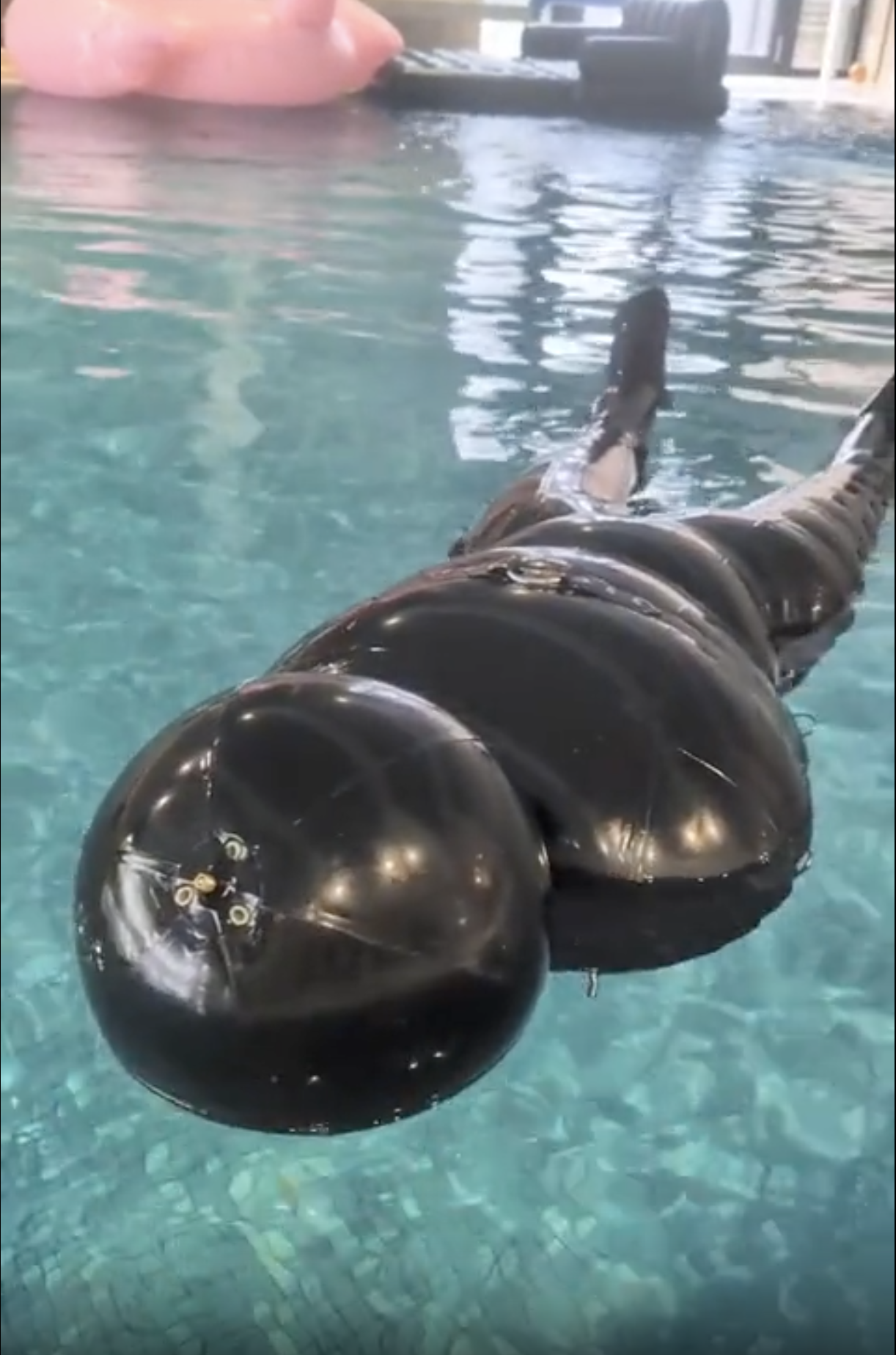
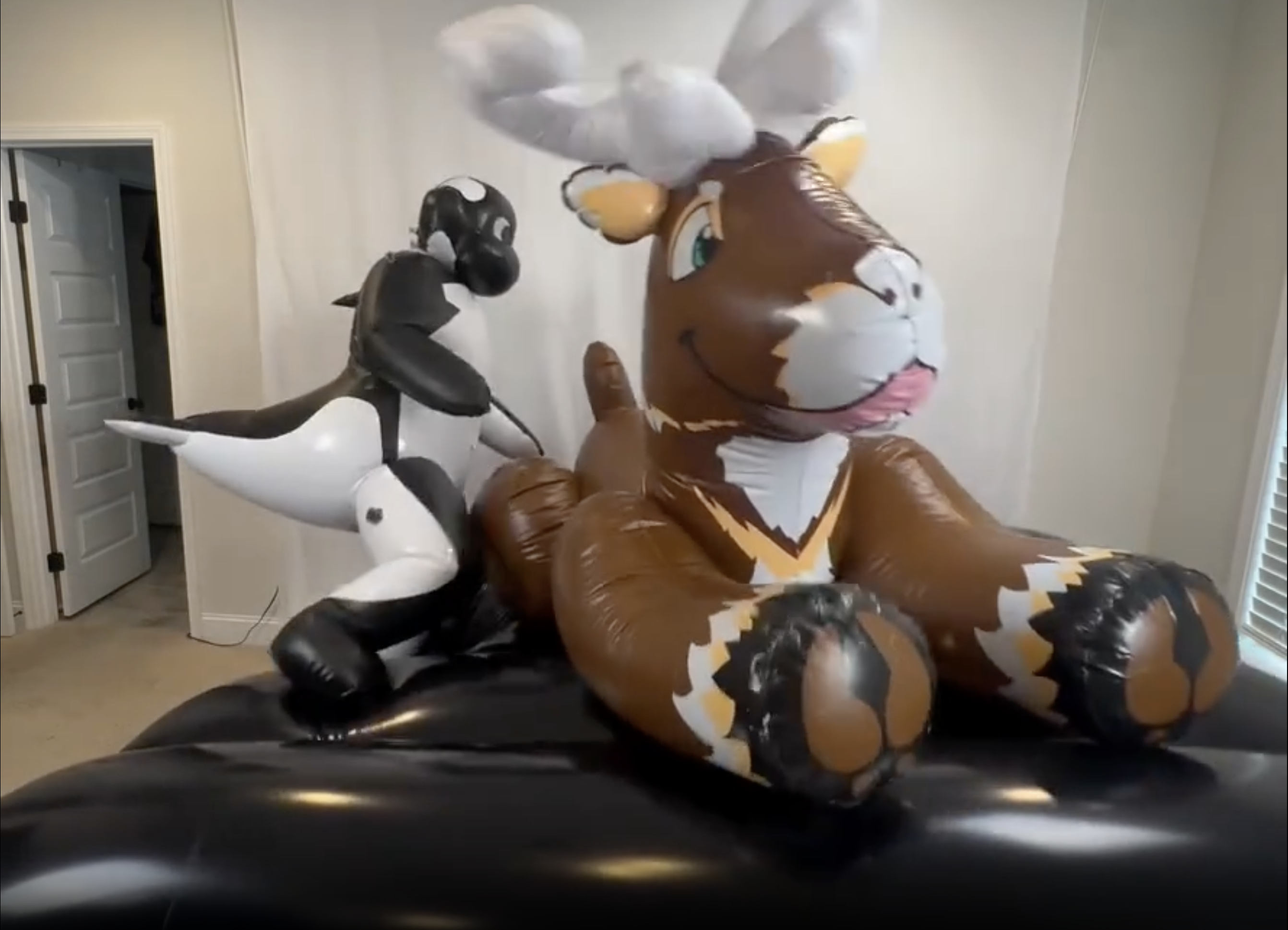
Inflatable animal suits occupy a very specific psychological niche that sits at the intersection of three distinct drives. The first is transformation fantasy: the desire to visually become an animal, complete and convincing, in a way that standard fursuits cannot achieve. An inflated suit changes the body's apparent shape entirely — the wearer's human form disappears inside something round and cartoonish.
The second is sensory enclosure: the experience of being surrounded, held, and pressurized by a material. This has documented anxiety-reducing properties not entirely unlike the deep pressure stimulation used in weighted blankets and therapeutic compression vests.
The third, in explicitly fetishistic contexts, is an interest in inflation itself as a motif: the expansion of forms, tightness, the surreal aesthetics of something round and full.
The inflatable suit community is small and self-aware, existing primarily in Discord servers and dedicated websites. Its members skew toward people with an existing interest in tactile sensory experience. An overlap with autism spectrum communities is frequently noted and openly discussed within the community itself.
The Internet and the Acceleration of Visibility
Prior to the internet, these interests existed in isolation. A teenager in rural Kansas in 1974 who felt a powerful identification with wolves, or who was drawn to the idea of wearing an animal costume, had essentially no way of finding community, language, or context for that experience. The internet did not create these desires. It made them findable.
Communities formed, vocabularies developed, and what had been niche and invisible became organized and visible. The acceleration since approximately 2015 tracks with a broader cultural shift in discourse around identity — the mainstream emergence of conversations about gender identity, neurodivergence, and the constructed nature of social categories created an intellectual climate in which the question "what if I am not quite human in the conventional sense" became more speakable.
The furry fandom grew. The therian community — people who identify as non-human animals on a spiritual or psychological level — became significantly more organized and visible, particularly among younger demographics on TikTok. Whether this represents a genuine increase in the underlying population or simply improved visibility of an existing population is probably unanswerable. What is observable is that the stigma, while far from gone, has decreased measurably.
The Word That Keeps Appearing
Fursuiting, pet play, fawning, and inflatable suits are not the same thing — and their practitioners would mostly prefer you not collapse them together — but they do share a structural logic.
Each involves a voluntary, consensual, temporary exit from the human self. Each uses an animal, or the idea of an animal, or the shape of one, as the vehicle for that exit. And each tends to attract people for whom the ordinary demands of human social performance are experienced as costly — people with social anxiety, with autism spectrum traits, with depression, with histories of trauma, with a persistent sense that the social self they present to the world is effortful in a way it doesn't seem to be for other people.
The animal offers something the human cannot. An animal has no social standing to protect. An animal is not responsible for its feelings in the way a human is expected to be. An animal can be cared for without having to be capable. An animal can be seen — literally seen, in its full visual strangeness — without being evaluated.
There is a word for the felt experience of being in the suit, or deep in a pet play scene, or fully inflated inside a cartoon bear costume, that keeps appearing in community discussions with remarkable consistency.
That word is "safe."
Kai Tutor | The Societal News Team