Trump's E15 (Watered-Down Gas) Waiver, A Tax on America's Working Class
E15 delivers fewer miles per gallon. Most stations don't offer a big enough discount to compensate. Drivers are paying more to go less far and being told it's relief.
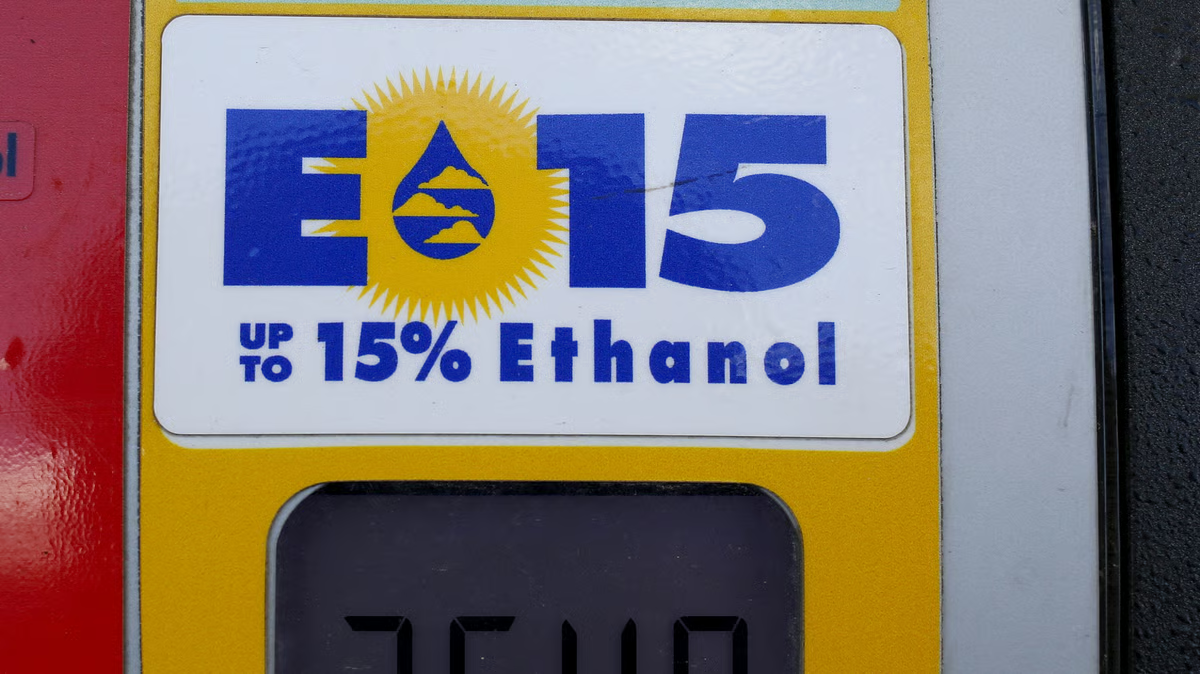
On March 25, 2026, the Trump administration's EPA issued an emergency waiver. This allows nationwide summer sales of E15 gasoline. E15 is fuel blended with 15 percent ethanol. Sales begin May 1.
The move overrides Clean Air Act rules that normally ban E15 in warmer months. Those rules address its higher volatility and smog-forming potential. EPA Administrator Lee Zeldin called it a step to "fortify the domestic fuel supply" and give families "relief at the pump." Agriculture Secretary Brooke Rollins praised it for boosting farmers and "American Energy Dominance."
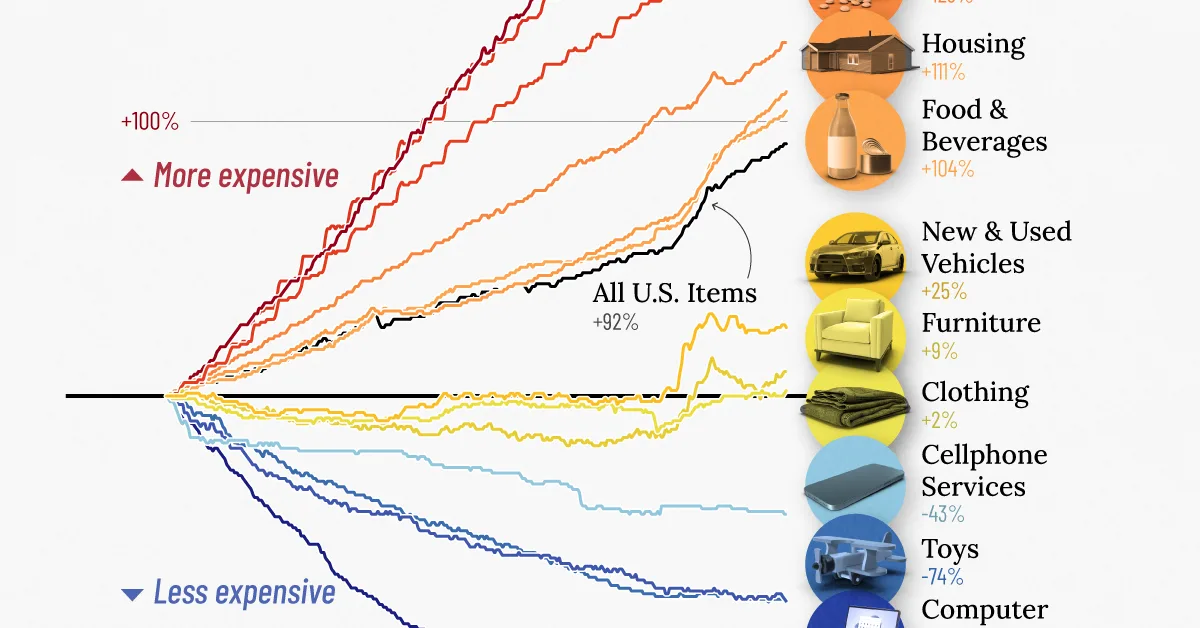
This is not actually relief for the American populous. It is a classic Washington propaganda play that actually dilutes your gas while pretending to save you money. The same forces that have driven your purchasing power into the ground since 2000 are now reaching into your gas tank.
Watered-Down Fuel
E15 is literally watered-down fuel. Ethanol packs about 33 percent less energy than pure gasoline. Compared to standard E10 (10 percent ethanol), E15 delivers roughly 1.5 to 2 percent less energy per gallon. Real-world tests and engineering analyses confirm a 1 to 2 percent drop in miles per gallon.
This is a hidden tax on gasoline. It follows a pattern common to Washington policy: the headline number looks like a benefit, the fine print is where the cost hides. Americans are already dealing with cumulative inflation that has wiped out nearly half of their dollar's purchasing power since 2000. This waiver adds another layer.
The Mandate Behind the Marketing
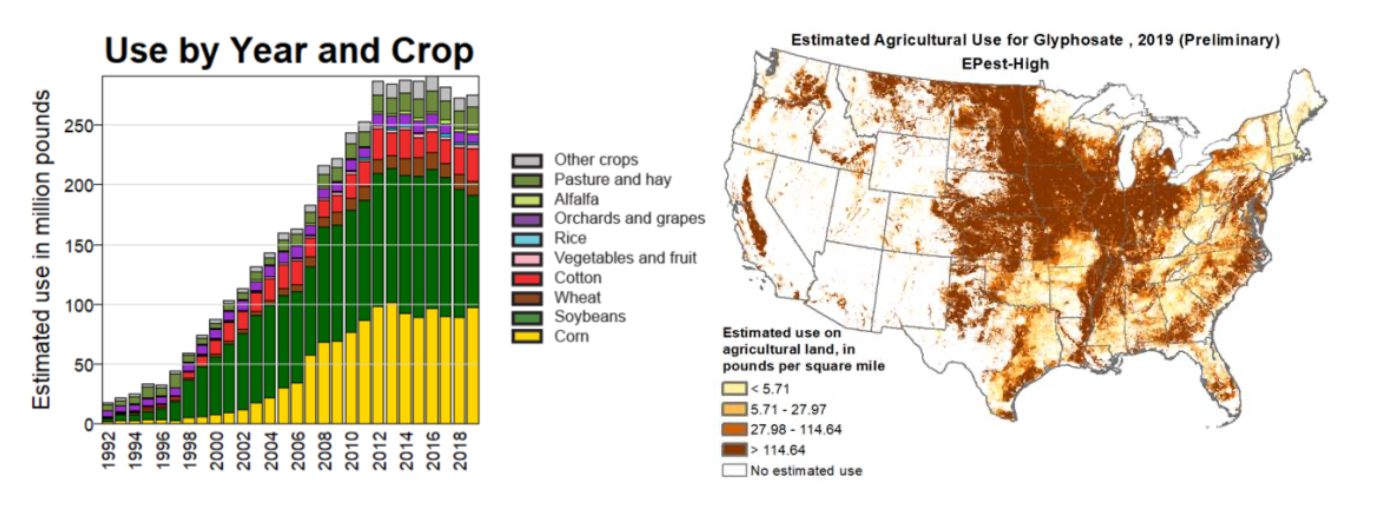
The Renewable Fuel Standard already forces ethanol into the supply chain. It creates artificial demand that props up corn growers and ethanol producers. The waiver supercharges that mandate by flooding the market with a lower-quality product.
You pay the same or more at the pump but get fewer miles. Studies estimate existing ethanol mandates already inflate gas prices by around 30 cents per gallon through compliance costs and market distortions. Now the government is actively encouraging even more dilution.
Availability Makes It Worse
For older cars (pre-2001), boats, motorcycles, and small engines, E15 risks corrosion, fuel-system damage, and voided warranties. These create extra costs passed straight to consumers. The people most likely to own older, pre-2001 vehicles are lower-income Americans, the same households already squeezed hardest by the broader cost-of-living collapse of the past five years.
What Proponents Claim vs. What the Data Shows
Proponents tout short-term pump savings of 10 to 30 cents per gallon. The ethanol lobby claims billions in consumer benefits. But those figures ignore the MPG penalty and downstream effects.
What This Waiver Actually Is
This waiver does not fix refining capacity, permitting delays, or global supply issues. It just forces inferior fuel on drivers to subsidize a favored industry.
This is not energy dominance. It is corporate welfare dressed up as consumer relief. By pushing a lower-energy blend without requiring price adjustments that actually deliver savings per mile, the Trump administration's E15 waiver functions as a stealth tax on every driver who fills up this summer.
Frequently Asked Questions
What is E15 gasoline?
E15 is gasoline blended with 15 percent ethanol, compared to the standard E10 blend which contains 10 percent ethanol. Because ethanol contains about 33 percent less energy per gallon than pure gasoline, E15 delivers roughly 1.5 to 2 percent fewer miles per gallon than E10. To travel the same distance, drivers must purchase more fuel, which offsets or eliminates any savings from a lower pump price.
Why did the Trump EPA issue an E15 waiver in 2026?
On March 25, 2026, the Trump administration's EPA issued an emergency waiver allowing nationwide summer sales of E15, with sales beginning May 1. The Clean Air Act normally bans E15 during warmer months due to its higher volatility and smog-forming potential. EPA Administrator Lee Zeldin framed it as relief at the pump and a move to fortify the domestic fuel supply. Critics argue it primarily benefits the corn ethanol industry rather than consumers.
Does E15 actually save drivers money?
Not reliably. Independent analysis shows that in a $4-per-gallon market, E15 would need to be priced at least 7 cents cheaper per gallon just to break even on cost per mile traveled. Most stations offer only a 5-cent discount, meaning drivers paying $3.64 for E15 versus $3.69 for E10 are actually spending more once the miles-per-gallon penalty is factored in.
Is E15 safe for all vehicles?
No. E15 is not recommended for vehicles manufactured before 2001, motorcycles, boats, or small engines such as lawn mowers and generators. Use in these vehicles risks corrosion, fuel-system damage, and voided manufacturer warranties. The EPA's waiver does not change these compatibility limitations.
How widely available is E15 gasoline in the United States?
E15 is currently sold at approximately 3,000 to 5,000 stations nationwide, representing roughly 3 percent of all U.S. gas pumps. Despite this limited availability, the policy distorts the broader fuel market and imposes retrofit costs on station owners, which are often partially subsidized by taxpayers.
How does the ethanol mandate affect overall gas prices?
Studies estimate that existing Renewable Fuel Standard ethanol mandates inflate gas prices by approximately 30 cents per gallon through compliance costs and market distortions. The E15 waiver expands ethanol's share of the market, deepening these distortions and further benefiting corn growers and ethanol producers at the expense of ordinary drivers.
Кай Тутор | Команда Societal News
Follow Us!
It helps decentralize our presence across the web and it's completely free!
Instagram ➤
Youtube ➤
Substack ➤
X.com ➤
Telegram ➤
TikTok ➤
Sources: U.S. EPA Emergency Waiver, March 25, 2026; Clean Air Act, Summer Fuel Volatility Rules; U.S. Department of Agriculture, Brooke Rollins Statement (2026); Renewable Fuel Standard (RFA); U.S. Energy Information Administration, Ethanol Energy Content Data; Consumer Reports, E15 Fuel Economy Analysis; American Automobile Association (AAA), E15 Vehicle Compatibility Research; University of Illinois, Ethanol Market Distortion Study; Environmental Working Group, Corn Ethanol Environmental Impact; Congressional Budget Office, Renewable Fuel Standard Cost Analysis; and others.